The stone under my palm is warm, though the morning air still carries the bite of the Pyrenees. I have stopped on a switchback above Roncesvalles, one hand flat against a marker worn smooth by ten centuries of palms, and I am thinking about how many people have paused in this exact spot to catch their breath. The scallop shell carved into the rock is barely a suggestion now, softened by rain and repetition. Somewhere below, a church bell counts an hour that no one is counting. This is the Camino de Santiago, and I have walked it three times. Each time I arrive with less and leave with more.
“The pilgrimage does not end at the cathedral. It ends when you stop walking and discover you have been carrying the cathedral all along.”
Historical Context
Pilgrimage is older than any of the routes we now map and market. Before the Camino had a name, Celtic peoples walked to the Atlantic edge of Galicia to honour the setting sun. The Romans paved roads over those older footpaths. Then, in the ninth century, a tomb was said to be found in a field — campus stellae, the field of stars — and a bishop named Teodomiro declared it belonged to the apostle James. Kings built hospitals along the way. Monastic orders maintained bridges. The Codex Calixtinus, a twelfth-century guidebook, warned travellers about dishonest ferrymen and bad water with a candour any modern guidebook would envy.
What interests me is not the legend but the infrastructure of longing. Europe stitched itself together through these routes long before it stitched itself together through treaties. The Via Francigena runs from Canterbury to Rome, crossing the Alps at the Great St Bernard Pass, where Augustine monks once kept dogs trained to find travellers buried in snow. The Camino Portugués follows the coast from Lisbon. The Kumano Kodo in Japan shares a dual-pilgrimage designation with the Camino — a recognition that these are not tourist trails but living traditions of the body and the spirit.
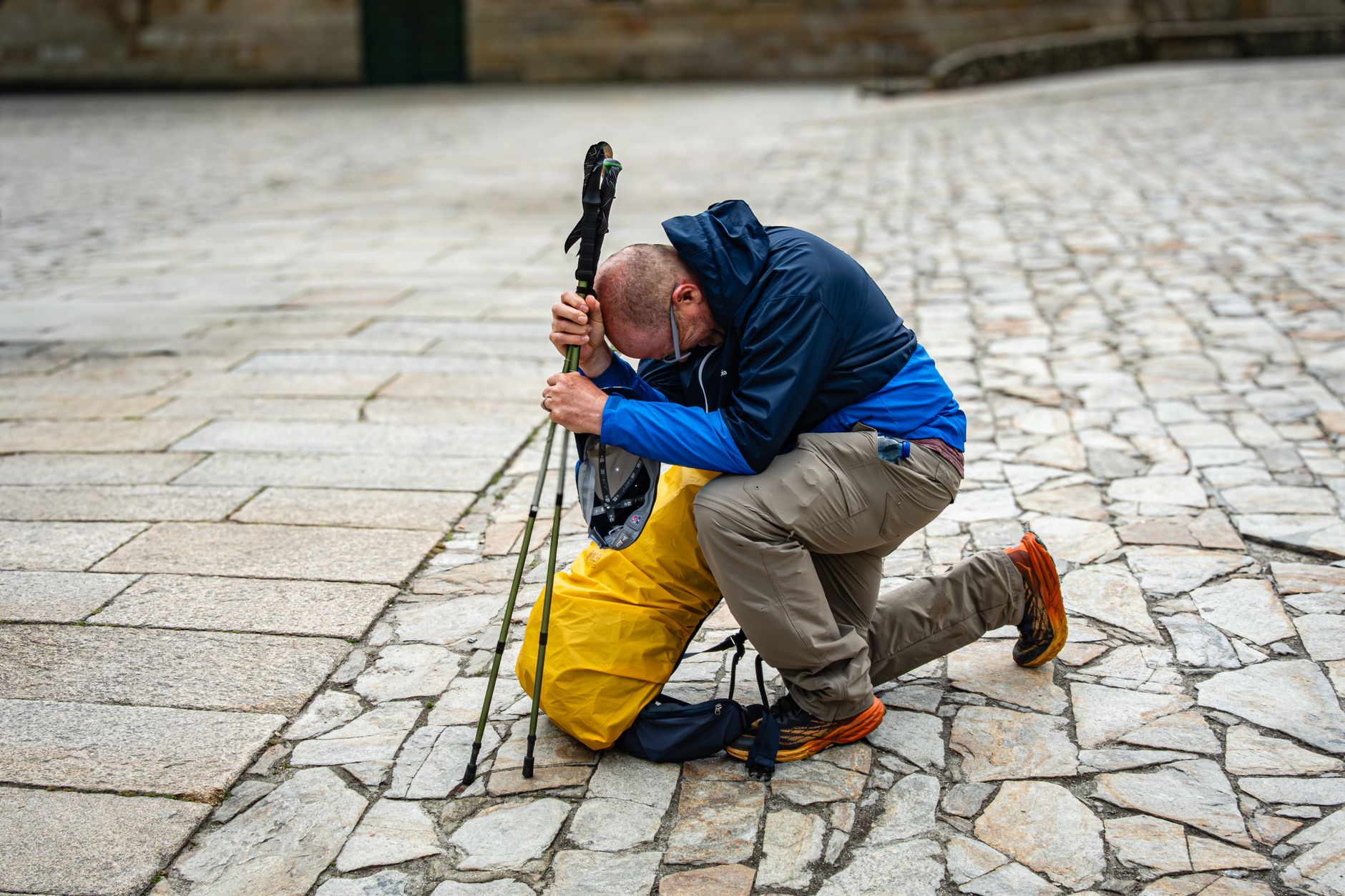
Pilgrims walked for penance, for healing, for a cure for plague, for a child, for a crime they could not name aloud. They walked because a judge sentenced them to it. They walked because everyone else was walking. The motives were as mixed then as they are now, which is a comfort to anyone who suspects their own reasons are not pure enough.
The Experience
The first three days are the hardest, and not for the reasons you expect. Your feet will blister. Your shoulders will ache from a pack you packed too heavily because you were afraid of being without. But the real difficulty is the silence. Not the absence of sound — the Camino is loud with birdsong, with the crunch of gravel, with the occasional roar of a tractor — but the absence of the noise you usually use to drown yourself out. You walk for six hours with nothing to do but think. That is the first gift, and it feels like a punishment.
By the second week, something shifts. The mind, having exhausted its inventory of worries, settles. You begin to notice things you would have walked past in ordinary life: the way light falls through a chestnut canopy, the smell of woodsmoke from a village chimney, the precise shade of ochre on a Romanesque apse. A farmer waves from a field. You wave back. This small exchange, repeated a hundred times, becomes a kind of liturgy.
Walking is a rhythm, and rhythm is a doorway. The breath finds the pace of the feet. The feet find the pace of the breath. After enough kilometres, the body stops being something you drag along and becomes something that carries you. I have felt this on the meseta, the long flat stretch of Castile where the sky is enormous and the path is straight and there is nothing to look at but your own interior weather. I have felt it climbing to O Cebreiro in fog so thick the world reduced to the next ten metres of path. I have felt it sitting in a village square at dusk, eating bread and cheese, watching a cat ignore me with perfect indifference.
And then there is the arrival. Santiago de Compostela is a city built around a destination, and the moment you step into the Praza do Obradoiro, you will feel something you did not plan for. It might be grief. It might be joy. It might be a profound anticlimax that teaches you more than any epiphany could. The cathedral is beautiful, but the real monument is the person who walked into it.
Who It’s For
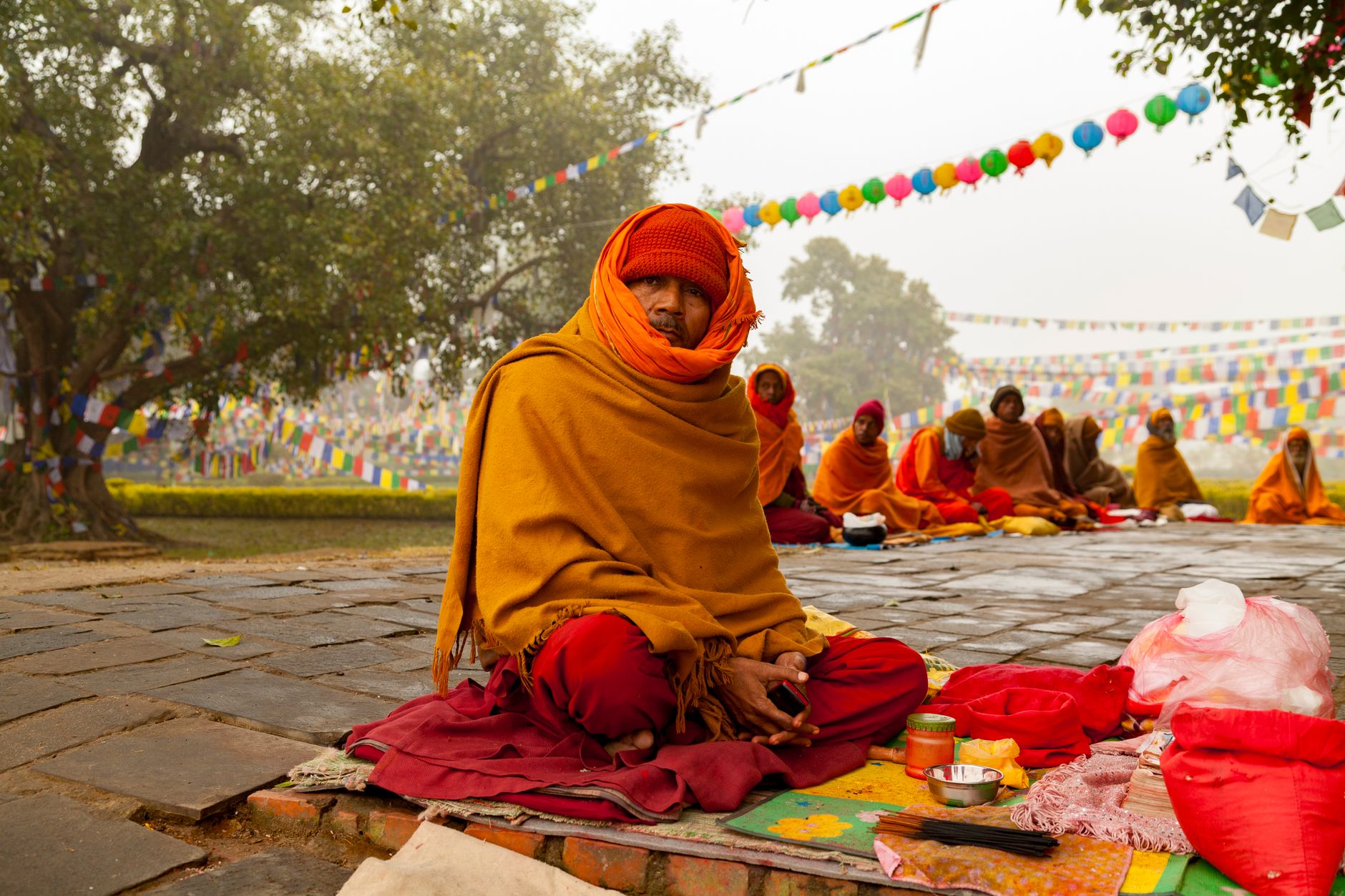
This path belongs to the traveller who is willing to be uncomfortable in service of something they cannot yet name. You do not need to be religious. You do not need to be fit — I have walked alongside a woman in her seventies with two knee replacements and a spirit that could power a small village. You need only a willingness to let the journey change the itinerary.
It serves the person at a threshold: between jobs, between relationships, between versions of themselves. The Camino offers a liminal space — a month out of time — in which the old self can loosen its grip and the new self can begin to form. It serves those who suspect that their life has become too small, too predictable, too insulated from the physical world. The rhythm of walking reacquaints you with your own body. The simplicity of carrying everything you need on your back is a lesson in sufficiency that no self-help book can deliver.
It serves the listener. The pilgrim routes are full of stories — in albergues, in village bars, in the chance encounters that unfold with the easy intimacy of people who know they may never meet again. If you are someone who finds meaning in conversation, in the exchange of small kindnesses, in the quiet companionship of shared exertion, you will find your people here.
Who It’s NOT For
Let me be honest with you, because the Camino has become a brand as much as a path, and the marketing does not always tell the truth. This is not for the traveller who needs comfort, predictability, and a schedule that runs to the minute. The albergues are dormitories. The food is simple. The weather does not consult your plans. There will be days when you are wet, tired, and wondering why you are doing this. If the answer to that question needs to be clear before you set out, stay home.
It is also not for the person who wants a walking holiday with a spiritual gloss. The Camino will not perform for you. It is not a wellness retreat with a scenic backdrop. It is a path that has been walked by millions of people with real suffering, real hope, and real blisters, and it asks for a certain humility. If you arrive expecting the landscape to heal you, you may leave disappointed. The landscape does not heal; it simply holds you while you do the work yourself.
And it is not for the person who cannot tolerate silence. The Camino is a conversation, but it is first a silence. If you need constant stimulation, constant connection, constant input, the long hours of walking will feel like deprivation rather than liberation.
A Profound Insight
Here is the idea I carry home from every pilgrimage, and it is counter-intuitive: the destination is not the point, but you must walk toward it anyway. The Camino is not a metaphor for life; it is a rehearsal for it. You set an intention, you take the first step, and then you surrender the outcome. The cathedral at Santiago is beautiful, but it is not the reason you walked. The reason you walked is the walking itself — the daily discipline of putting one foot in front of the other, the daily choice to continue, the daily encounter with your own resistance and your own resilience.
What would change if you treated your ordinary life as a pilgrimage? Not as a grand adventure, but as a daily practice of attention? The commute becomes a route. The kitchen becomes a chapel. The difficult conversation becomes a station on the way. The scallop shell is not a souvenir; it is a reminder that you are always, already, on the path.
Here is what I have learned to carry, and what I recommend you carry too:
- Walk slower than you think you should. The body sets the pace, not the guidebook. If you are racing to the next albergue, you are missing the point.
- Pack less than you think you need. Everything you carry, you carry. The weight of a single unnecessary item becomes a teacher.
- Eat the local bread. The simple meals — bread, cheese, olives, a glass of wine — will taste better than any restaurant meal because you have earned them with your body.
- Talk to strangers, but also protect your silence. The Camino offers both, and you will need both in equal measure.
- Let the weather be the weather. Rain is not an interruption. It is part of the pilgrimage. Walk in it.
- Arrive with no expectations, and leave with no regrets. The path will give you what you need, not what you want.
The stone under my palm is warm. I lift my hand and look at the scallop shell one more time. Then I shoulder my pack and continue up the switchback, toward the pass, toward whatever waits on the other side. The bell has stopped ringing. The path is quiet. And I am, for now, exactly where I am supposed to be.