The tea has gone cold beside me. I have not touched it in an hour. A gecko clings to the whitewashed wall above the doorway, motionless except for the pulse at its throat. Somewhere below the terrace, a woman sweeps the courtyard with a broom of coconut fronds — a slow, rhythmic hiss, pause, hiss. I came to this island to teach a retreat, and I have spent the entire morning doing precisely nothing. No journal. No breathwork. No gratitude list. Just this. Fifteen years of practice, and only now can I sit here without apologizing for it.
Doing nothing is not the absence of practice. It is the practice with its shoes off.
Historical Context
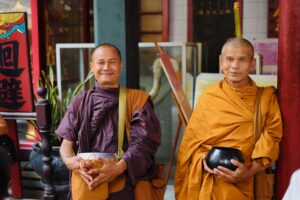
Deliberate idleness has a lineage far older than the wellness industry that now sells it back to us. In the monastic traditions of South Asia, the day begins before dawn and ends after dusk, yet woven through it are hours the monks call kaṁ — a word in the old forest dialects that means something closer to “unhurried presence” than to rest. The work is still done. The bowls are still washed. But the washing is not a task to be gotten through; it is the day itself. Theravada teachers have long insisted that the mind cannot settle if the body is always on its way somewhere else.
In Italy, this same wisdom wears a different costume. The dolce far niente — the sweetness of doing nothing — was never a slogan. It described how a village actually lived between one and four, when the sun made work foolish and the shutters came down. The Greeks had scholē, from which we get “school,” and it meant leisure in the deepest sense: the time a free person needed to think. Aristotle built an entire ethics on it. What we call productivity, he would have called the busyness of people who have forgotten what they are for.
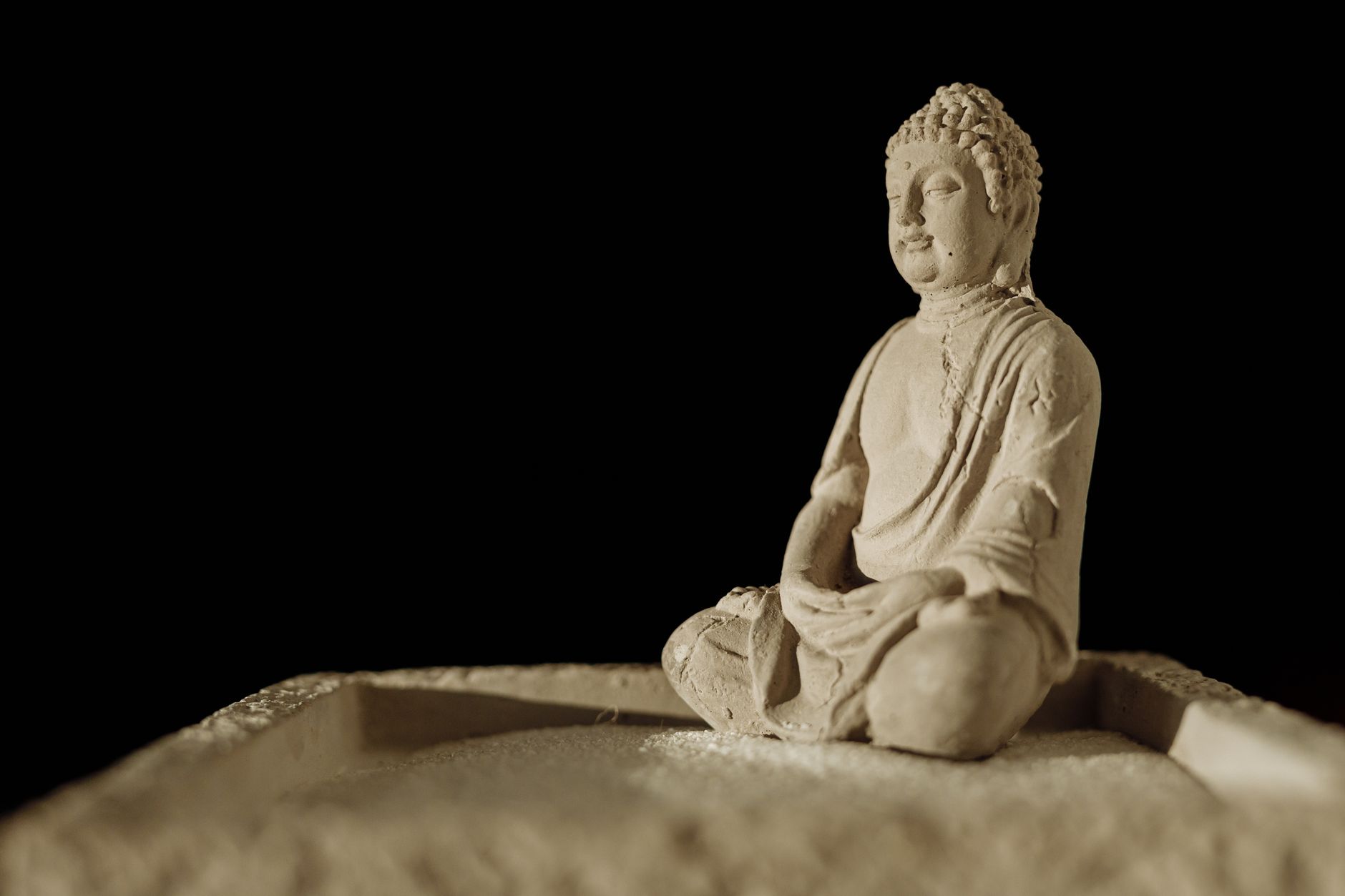
Then there is the Japanese practice of yūgen, the profound grace of things unfinished and unremarked. A mossy stone. A half-lit garden. The pause between two notes of a flute. None of it asks anything of you. That is the point. The tradition is not about achieving stillness; it is about noticing that stillness was already there, waiting for you to stop interrupting it.
Every culture that has ever had a courtyard, a shade tree, or a stretch of afternoon heat has arrived at the same discovery independently. That should tell us something. The urge to do nothing is not laziness. It is a form of remembering.
The Experience
Here is what it actually feels like, in the body, on the second day. The first day is a disaster. Your hands want a phone. Your mind produces a list of urgent things — the email, the laundry, the strange ache in your left knee — as if to prove it is still useful. You will be convinced you are wasting the trip. Sit with that. It passes.
By the second morning, the texture of time changes. It grows thicker, slower, like honey poured from a jar. You notice that the gecko has moved three inches and you do not know when. The broom hiss below has stopped; you did not hear it stop. A dog barks twice and then thinks better of it. The light on the wall shifts from white to gold and you watch it the way you might watch a fire — not for information, but for company.
Your breath slows without your asking. The shoulders drop an inch you did not know they were holding. Somewhere around the third hour, a small, unfamiliar sound arrives: your own mind, quiet enough to hear itself. It is not blank. It is soft. It is the sound a room makes when the refrigerator finally stops humming.
And then, the strange part. You begin to feel a little sad. Not unhappy — sad the way a good song is sad. Something in you has been running for years and has just now been given permission to sit down, and it is grieving the running. Let it. This is the grief of a body that has been treated like a machine and is being treated like a guest. It does not last long. But it is important, and it is real, and it is the doorway.
What comes after is hard to describe without sounding like a brochure. I will try anyway. The world gets louder in its small details and quieter in its big ones. The problems you carried in seem less like boulders and more like furniture — moveable, rearrangeable, not the room itself. You are not solving anything. You are simply no longer at war with the moment you are in.

Who It’s For
This is for the traveler who has already been to the famous places and found them crowded with their own expectations. The one who has taken the sunrise hike and the cooking class and the Instagram-perfect boat ride, and come home more tired than when they left. If you have ever stood on a cliff at golden hour, phone raised, and felt a small pang that you were not actually there — this is for you.
It suits the person who suspects that their exhaustion is not a scheduling problem. The one who has tried meditation apps and found them too tidy. The one who wants to be somewhere beautiful and then not do anything about it. A long stay helps — a week, ideally, in one place, with a balcony and nowhere to be. A short stay can work if you are ruthless about protecting it, but the first day will be lost to withdrawal and you should budget for that.
It is also, quietly, for the grieving, the burned out, the freshly divorced, the ones between jobs. Doing nothing is a kind of convalescence. It does not fix anything. But it lets the body remember what it is like to not be braced.
- Choose one place and stay put — movement is the enemy of this practice.
- Protect a three-hour window each morning before anyone can ask anything of you.
- Leave the phone in the room. Not on silent. In the room.
- Expect the first day to feel like failure. It is not. It is the thaw.
- Bring a single paper book and no more than one. The constraint is the gift.
Who It’s NOT For
I want to be honest here, because I have watched people arrive at retreats expecting to be transformed by stillness and leave disappointed and vaguely ashamed. Doing nothing is not for the traveler on a tight itinerary. If you have four days in a country and three cities to see, this practice will only frustrate you. You will sit on the balcony thinking about the train you are missing.
It is not for the person who needs to be moving to feel alive. Some of us are walkers, builders, dancers. The body has its own wisdom, and for some bodies, stillness is not medicine — it is a trap. If sitting quietly makes you spiral, then walk. Walk for hours, without a destination. That is the same practice in a different posture. The point was never the sitting.
And it is not for anyone in acute crisis. If you are in the middle of a real emergency — a health scare, a collapse, a grief so fresh it has no edges yet — do not go to a quiet island alone. Go to people. Go to a professional. Stillness can hold a great deal, but it cannot hold everything, and it should not be asked to.
A Profound Insight
Here is the counterintuitive thing I have come to believe after years of guiding people through this: doing nothing is not the opposite of doing something. It is the ground that doing something grows out of. We have it backwards. We think rest is what we earn after the work, the reward at the end. But the old traditions knew that leisure comes first — that the field must lie fallow before it can be planted, that the mind must be empty before it can be useful. We have built an entire civilization on the assumption that rest is a debt we owe ourselves, and then we wonder why we are so tired.
The insight worth carrying home is this: you are not a machine that needs to be recharged. You are a living thing that needs to be left alone. There is a difference, and your body knows it even if your calendar does not. When you return to your life, you will not return with a better productivity system. You will return with a memory — of the gecko, the broom, the cold tea — and that memory will be a small door you can open on a Tuesday afternoon when the world is too loud. That is what you are actually bringing home. Not a technique. A door.
Conclusion
I drank the cold tea eventually, and it was better than it had any right to be. The woman finished sweeping. The gecko moved on. Nothing happened, which is to say everything did. If you go looking for this, do not look for a retreat with a schedule. Look for a balcony, a shade tree, a courtyard with a broom in it. Sit down. Let the first day be terrible. Let the second day be boring. Let the third day be whatever it wants to be. Ask yourself, honestly, when was the last time you did nothing at all and did not apologize for it? The answer will tell you how much you need this. And the good news — the quiet, unhurried, unremarkable good news — is that it is always waiting. It has been there the whole time. It only needed you to stop.