The air in Cusco thins your breath before it thins your thoughts. At 3,400 metres, each inhale arrives with intention. The city below — terracotta roofs, cobbled lanes, a cathedral built on Inca stone — seems to ask something of you before you have even unpacked. I arrived with a backpack and a quiet suspicion that I was one more pilgrim in a long queue of seekers. What I found was stranger and gentler than the brochures promise. Peru does not offer enlightenment on a schedule. It offers altitude, silence, and a landscape that has been listening to human longing for thousands of years. What will you bring to that listening?
“The mountain does not come to you. You climb, and in climbing, you are changed.”
Historical Context
The spiritual pull of the Andes is not a modern invention. Long before wellness retreats and ayahuasca tourism, the Inca and their predecessors built a civilisation in conversation with the land. The Quechua word pachamama — Mother Earth — was not a metaphor but a relationship, honoured through offerings of coca leaf, chicha, and careful reciprocity. The Inca understood ayni, sacred exchange: what you take, you return. Pilgrimage routes like the Qhapaq Ñan, the great road system that stitched the empire together, were as much ceremonial as practical, leading to shrines, high passes, and apus — the mountain spirits who watch over valleys and villages alike.
When the Spanish arrived in the sixteenth century, they built churches atop Inca temples, a strategy of erasure that never quite succeeded. Beneath the colonial gold, the old stones kept their shape. Andean spirituality survived by folding itself into Catholic feast days, by keeping ceremonies quiet in high villages, by continuing to read the sky. Today that resilience is visible everywhere: a pago a la tierra offering performed beside a Catholic altar, a curandero who recites prayers to both saints and mountains. The tradition is not frozen. It breathes, adapts, and — this matters — belongs to living communities, not to visitors.
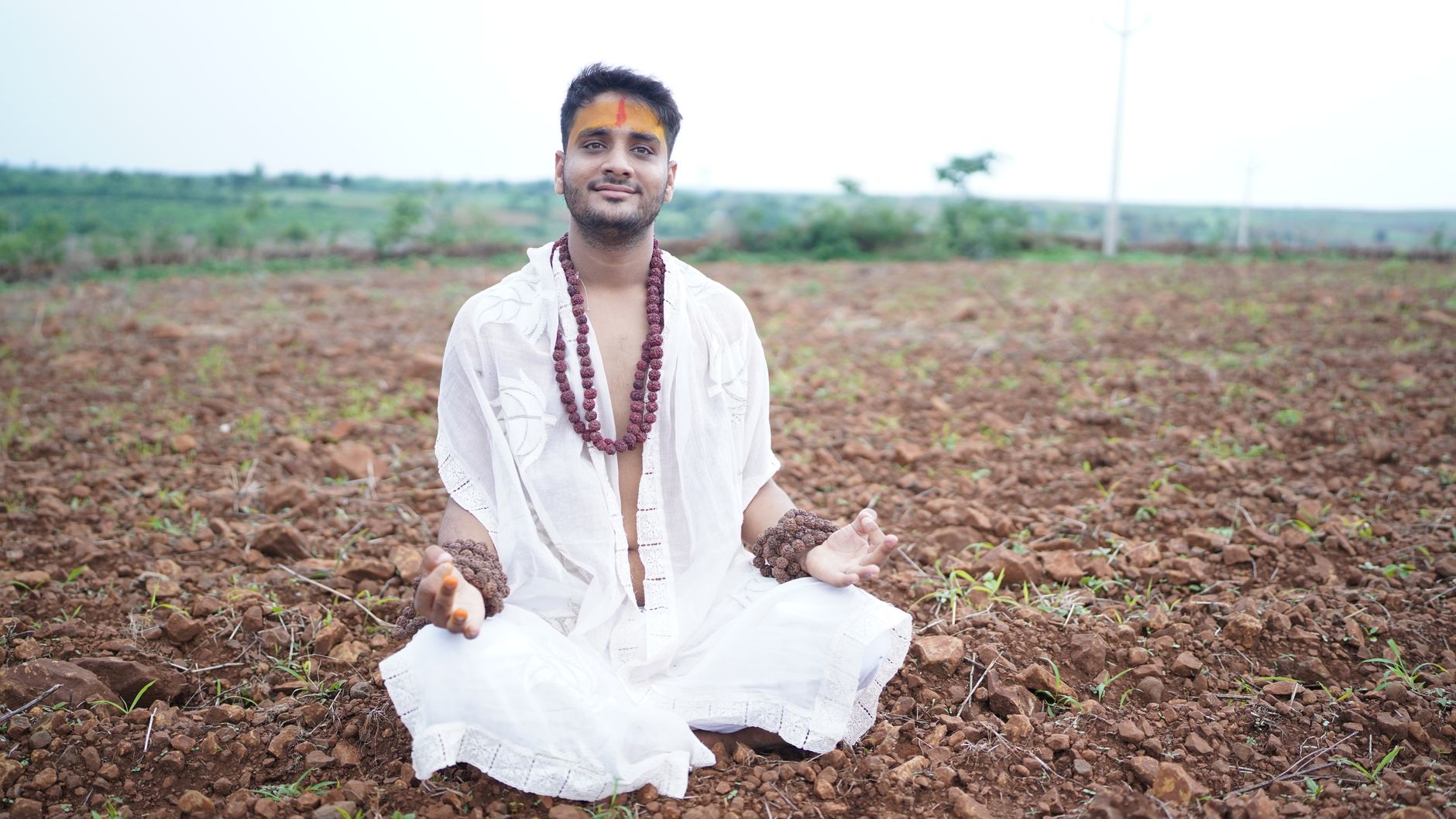
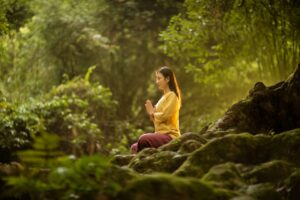
Photo by Sanket Mishra on Pexels
What we now call spiritual tourism arrived in waves. The 1960s brought seekers chasing mysticism and, later, the promise of psychedelic insight. By the 1990s, ayahuasca ceremonies in the Amazon drew travellers from across the world, and Cusco’s Sacred Valley became a hub for yoga, plant medicine, and Andean ceremony. The growth has been extraordinary and uneven. Some retreats are held with genuine lineage and care. Others are commerce dressed in feathers. Understanding that distinction is the first act of a mindful traveller.
The Experience
Spiritual tourism in Peru is not one experience but many, layered like the terraces of Moray. In the Sacred Valley, mornings begin cold and blue. You sit with a group as a paqo, an Andean priest, arranges coca leaves into a fan and reads them the way another culture might read cards. The leaves speak of roads taken and roads avoided. You are asked to hold a thought, a worry, a hope, and to offer it to the earth. The ground is damp beneath your knees. Someone’s phone buzzes and is quietly silenced. The ceremony is small, human, and utterly ordinary in the way that sacred things often are.
Higher up, on the trail toward Ausangate or Salkantay, the body takes over. Breath becomes the whole curriculum. You walk slowly, stop often, and discover that altitude is an honest teacher — it refuses to let you pretend. There is a particular silence at 4,500 metres, thin and bright, broken only by wind and the crunch of gravel. Offerings are left at passes: a stone stacked, a prayer murmured, three coca leaves tucked beneath a rock. The gesture is small. It is also ancient, and something in you recognises it.
In the Amazon lowlands, the register shifts entirely. Heat, insects, the green darkness of the jungle at night. Ayahuasca ceremonies here are powerful and, frankly, not to be entered lightly. I have sat in rooms where the singing was steady and the facilitation careful, and I have heard enough stories of the opposite to counsel caution. The plant is not a tourist attraction. It is a medicine with rules, and the rules matter more than the experience.
Then there is the quieter tourism: a homestay on the shores of Lake Titicaca, weaving with women who learned from their grandmothers, sitting in a stone circle at Sacsayhuamán as the sun drops and the stones hold their warmth. Not every meaningful moment announces itself. Some arrive as boredom, and then soften into attention.
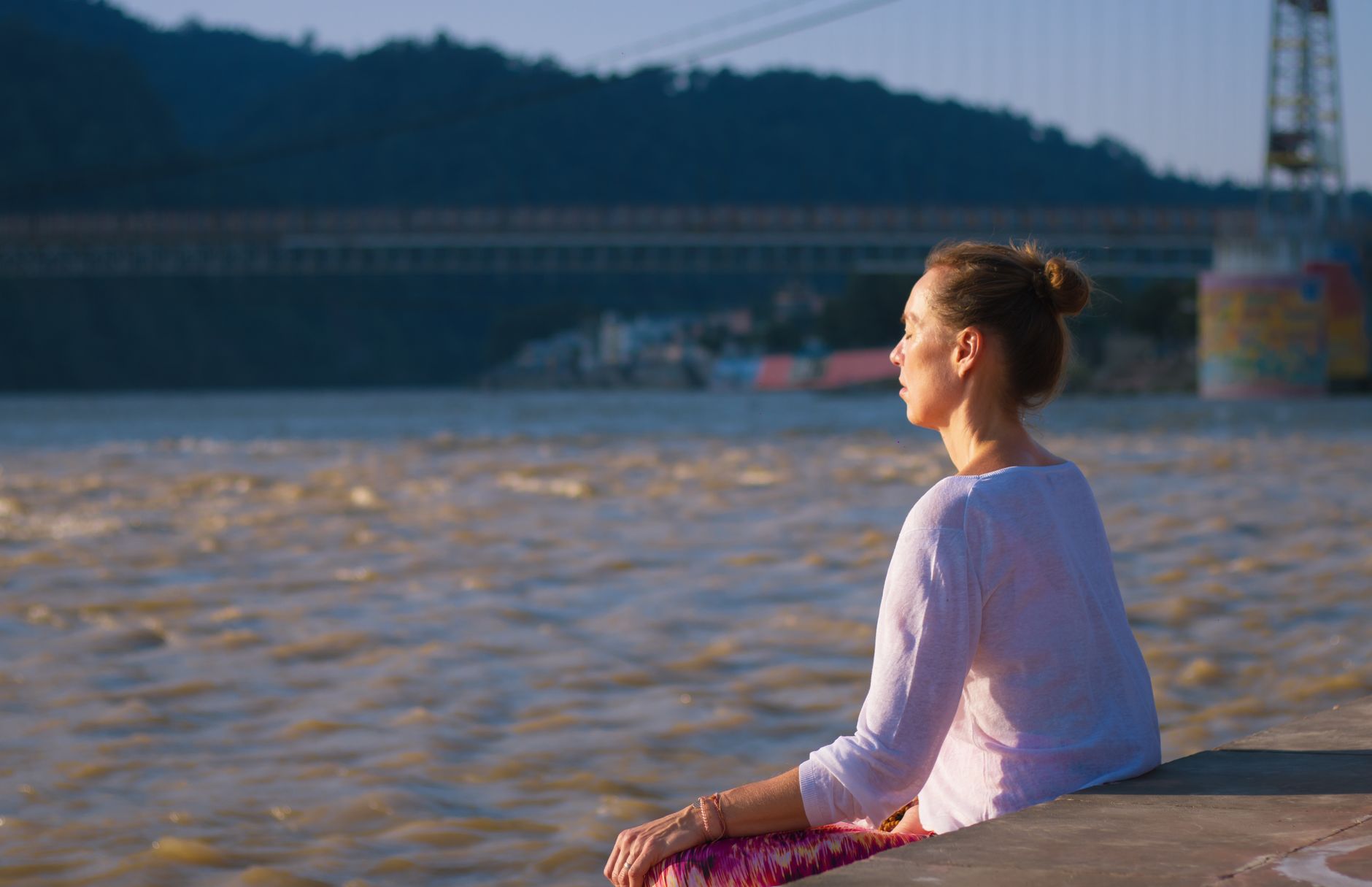
Photo by Maria Jose IF on Pexels
Who It’s For
This journey serves the traveller who is willing to be a guest. You do not need to be spiritual in any formal sense. You need curiosity, patience, and a tolerance for discomfort — physical and otherwise. The people who thrive here tend to share a few qualities. They are interested in context, not just content. They ask who benefits before they book. They can sit with silence and with not-knowing. They understand that a ceremony is not a performance and that the most profound moments often happen off-schedule, in a village kitchen or on a slow bus through the altiplano.
If you are drawn to the Andes, come with a body that has trained a little and a mind that has prepared to listen. Learn a few words of Quechua. Read about the communities whose land you are walking. Choose guides who are local, who are paid fairly, who speak of their tradition with pride and precision. The best spiritual travel in Peru is relational. It is a conversation, not a transaction.
Who It’s NOT For
Honesty has a place here. This is not for the traveller who wants a guaranteed transformation, packaged and photographed. It is not for those seeking to collect ceremonies like stamps, or to consume Indigenous wisdom as a lifestyle accessory. If you need comfort, predictability, and a schedule that never bends, the Sacred Valley will frustrate you. Altitude headaches are real. Buses break down. Ceremonies run long and strange.
Nor is it for anyone who cannot respect boundaries. Some ceremonies are closed to outsiders, and rightly so. Some knowledge is not for sale. A mindful traveller accepts the door that stays shut without taking it personally. And if you are in acute psychological distress, plant medicine is not a shortcut — it can be a hazard. Seek proper care first. The mountains will still be there.
A Profound Insight
Here is the idea I carried home, and it surprised me: the most spiritual act in Peru may be restraint. Not the vision, not the ceremony, not the summit — but the willingness to take less, ask more, and leave the place as you found it. Andean tradition is built on reciprocity, and reciprocity begins with limits. The offering is small on purpose. The pilgrim walks slowly on purpose. The ceremony ends on purpose.
We tend to imagine spiritual growth as accumulation — more insight, more experiences, more transformation. The Andes suggest the opposite. Ayni asks what you will give back. Pachamama asks whether you are in relationship or merely in transit. That reframing is the real souvenir, and it travels well. It applies to how you book a retreat, how you speak to a guide, how you carry yourself in a village that is not your own. The mountain does not need your reverence. But your reverence, practised as restraint, changes how you move through the world.
Ask yourself, honestly: are you travelling to be seen, or to see? The answer shapes everything that follows.
Key Takeaways
Choose with context. Research who runs your retreat, where the money goes, and whether local communities are partners or props. Ask directly — good operators welcome the question.
Prepare your body and mind. Acclimatise slowly in Cusco or the Sacred Valley before altitude treks, and approach plant medicine only with trusted, vetted facilitators and after honest self-assessment.
Practise reciprocity. Learn a few Quechua phrases, pay fair prices, buy directly from artisans, and treat ceremonies as invitations rather than entitlements.
Leave room for the unplanned. The most meaningful moments often arrive in the gaps — a shared meal, a quiet pass, a conversation with a weaver — so build slack into your itinerary.
Carry restraint home. Let the Andean principle of ayni shape how you travel and how you live: take less, give back, and stay in relationship.
Peru will not hand you a new self at the airport gate. It will offer thin air, old stones, and people who have tended this land for centuries with care. What you do with that offering is yours to decide. Walk slowly. Ask honestly. Give something back. The mountains have been listening a long time — and they notice the difference between a visitor and a guest.