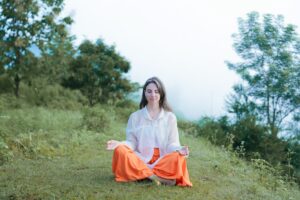
The phone goes into the wooden box at the front desk. The woman behind the counter does not lock it. She simply closes the lid and slides it toward the wall, the way you might set down a heavy bag you have been carrying for years without noticing its weight. Outside, the mountain path begins where the paved road ends. Nobody tells you to hurry. The bell for evening meditation is still two hours away. For the first time in months, you notice your own breathing — not as a technique, not as a metric, but as a quiet rhythm that has been keeping you alive all along without asking for anything in return.
“The practice is not to leave the world behind. It is to finally arrive in it.”
Historical Context
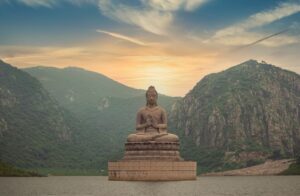
Silence as a destination is older than any app that promises to deliver it. The monastic retreat has existed for centuries across traditions — the Buddhist viharas of South Asia, the Christian hermitages of the desert fathers, the Zen temples of Japan where laypeople have long arrived for short periods of intensive sitting. What is new is not the practice. What is new is the need for it.
The modern digital detox retreat emerged in the early 2010s, born from a quiet collision between two movements. The first was the slow travel ethos, which asked travellers to stay longer, move slower, and engage more deeply with a place. The second was the growing body of research on attention — the recognition that the human mind, given a device that pings every few minutes, will fragment itself against its own will. Retreat centres in places like Bhutan, rural Portugal, and the Japanese countryside began offering structured stays: no screens, no Wi-Fi in common areas, a rhythm of meals and silence and walking. Some drew directly from monastic schedules. Others invented their own.
The lineage matters. A digital detox is not a wellness trend invented by marketing departments. It is a secular translation of an ancient insight: that the mind needs empty space the way a field needs fallow seasons. The monks knew this. The desert hermits knew it. We are simply relearning it with better branding and, occasionally, worse food.
The Experience
The first day is uncomfortable in ways you did not anticipate. Not the silence — the silence is fine. It is the phantom reach. Your hand moves toward a pocket that holds nothing. You catch yourself composing a message to someone who is not there. The mind, trained by years of constant input, keeps looking for the next thing and finds only the sound of wind through pine and the scrape of your own footsteps on gravel.
By the second morning, something shifts. You wake before the bell. The light through the window is grey and soft, and you lie still for a while without reaching for anything. Breakfast is eaten slowly. You taste the rice. You taste the tea. A small bird lands on the railing outside and stays for a long time, and you watch it without the urge to photograph it, without the impulse to share it. The moment is not being captured. It is being lived. That distinction, which sounds so simple on paper, is astonishing in the body.
The afternoons are for walking. A path leads up through terraced fields and into a forest where the air is cool and smells of wet earth and cedar. You walk for an hour without checking the time because you do not know the time, and after a while you stop caring. Hunger tells you when to eat. Dusk tells you when to return. The body remembers how to keep its own clock, and you realise with a start that you had forgotten this was something you knew.
Evenings bring a different quality of quiet. The group gathers for a short talk or a period of sitting. Nobody performs. Nobody photographs the sunset for an audience. The sky does what it does — turns orange, then pink, then a deep blue that seems to go on forever — and you simply watch it, a small creature in a large world, and something in your chest loosens that has been tight for longer than you can remember.
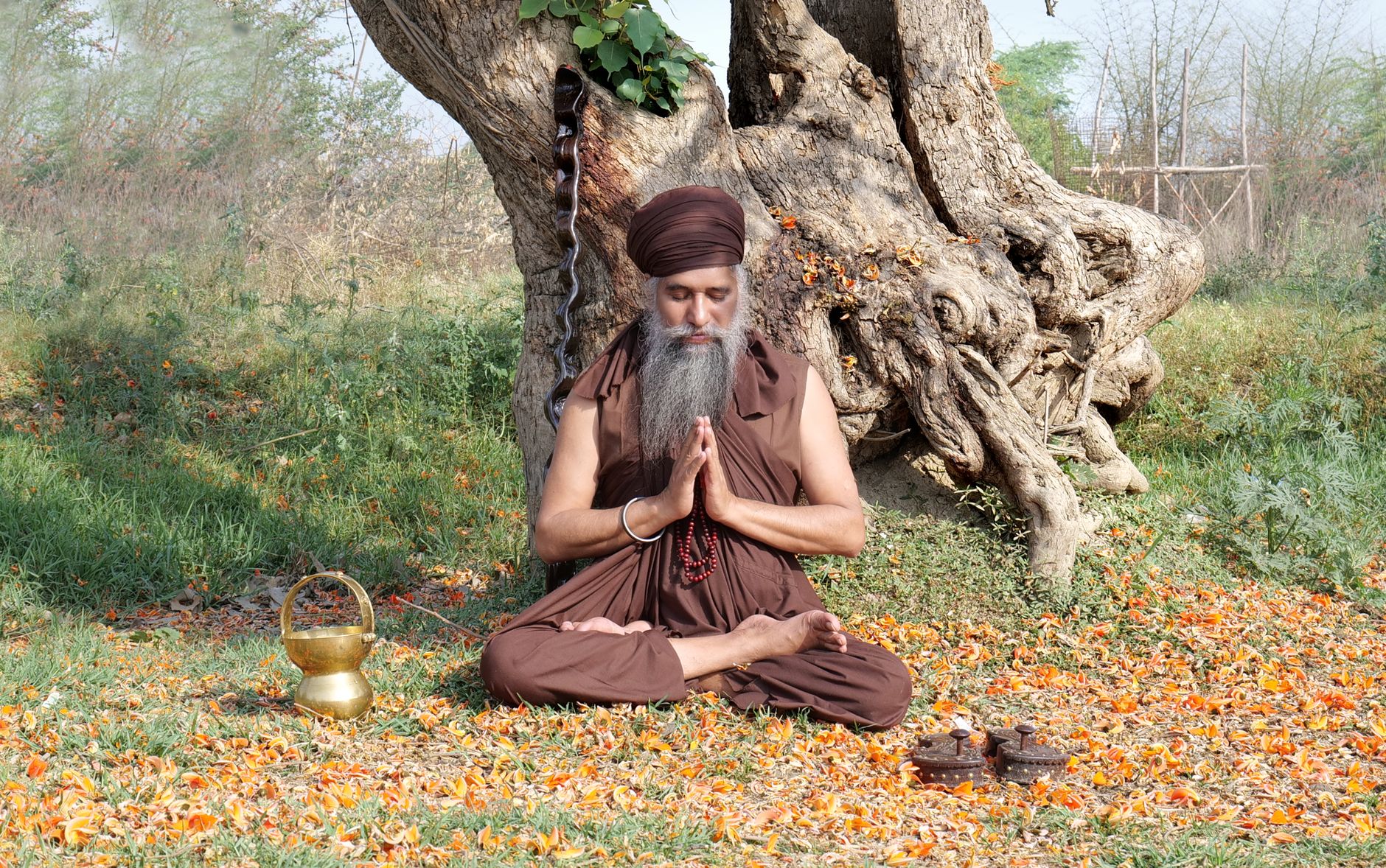
Who It’s For
This kind of travel serves the person who has noticed the cost of constant connection and wants to do something about it. Perhaps you are a professional who cannot remember the last time you read a book without checking your phone. Perhaps you are a parent who wants to model a different way of being present. Perhaps you are simply exhausted — not from work, but from the low hum of being always reachable, always on.
It suits the traveller who is willing to be bored. Not everyone is. The first two days of a digital detox can feel like a withdrawal, because they are one. If you can sit with the restlessness without fleeing into a book or a conversation or a plan for tomorrow, the retreat will give you something rare: the experience of your own attention returning, slowly, like a tide coming back in.
It also suits people who travel alone but do not want to be lonely. Most retreats offer communal meals and optional group practice, enough structure to feel held without the pressure to perform sociability. You can be quiet in a room full of quiet people. That is its own kind of company.
- Choose a retreat with a clear daily rhythm — meals, practice, rest — rather than one that leaves long unstructured hours for a restless mind.
- Tell the people who need to reach you where you will be and how to contact you in an emergency. The point is not to disappear; it is to be deliberately unavailable.
- Leave the phone in the box at reception rather than in your room. Proximity is temptation, and the box is a kindness.
- Plan for the re-entry. The day you return to signal is as important as the days you spent without it. Ease back in slowly.
Who It’s NOT For
Honesty requires a boundary. A digital detox is not a substitute for medical care, and it is not suitable for someone in acute crisis. If you are experiencing severe anxiety, depression, or a condition that requires regular professional contact, a silent retreat can intensify rather than soothe. Some centres screen for this; take the screening seriously.
It is also not for the traveller who wants to be entertained. There is no itinerary to fill. No highlights reel. If you need the days to be full and varied, you will find the emptiness frustrating rather than liberating. And it is not for the person who is being sent — by a partner, an employer, a doctor — against their will. The practice asks for your consent. Without it, the silence becomes a wall rather than a door.
A Profound Insight
Here is the counter-intuitive thing I have come to believe after years of guiding people through this practice: the goal of a digital detox is not to use your phone less. It is to notice what you were using your phone to avoid. The device is not the problem. The device is a very efficient answer to a very old question — how do I not feel this? The retreat does not take the answer away. It simply asks you to sit with the question.
And when you do, something unexpected happens. The things you were avoiding turn out to be smaller than you feared. The boredom is not a void; it is a clearing. The anxiety is not a verdict; it is a signal. The silence is not empty; it is full of a presence you had forgotten was yours. Carry that home. Not as a rule about screen time, but as a question you can ask yourself in any moment: what am I reaching for, and what am I hoping not to feel?
The answer will change. The asking is the practice.
Conclusion
The box at the front desk holds your phone for four days. When you retrieve it, the screen lights up with messages, notifications, the accumulated noise of a world that did not stop while you were gone. You will feel the pull again. You will answer some of it. But something has shifted. You know now that the quiet is there, underneath, waiting. You know the path up the mountain and the taste of the rice and the way the light came through the window on the second morning. You know that you can put the phone down and the world will not end. It will simply become, for a moment, what it always was: a place you are actually standing in, breathing, alive.
So here is the question I leave with you. Not whether you need a retreat — perhaps you do, perhaps you don’t. The question is smaller and closer: what would it take, today, in the middle of your ordinary life, to put the phone down for one hour and let yourself arrive?