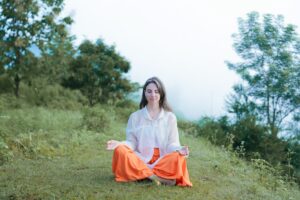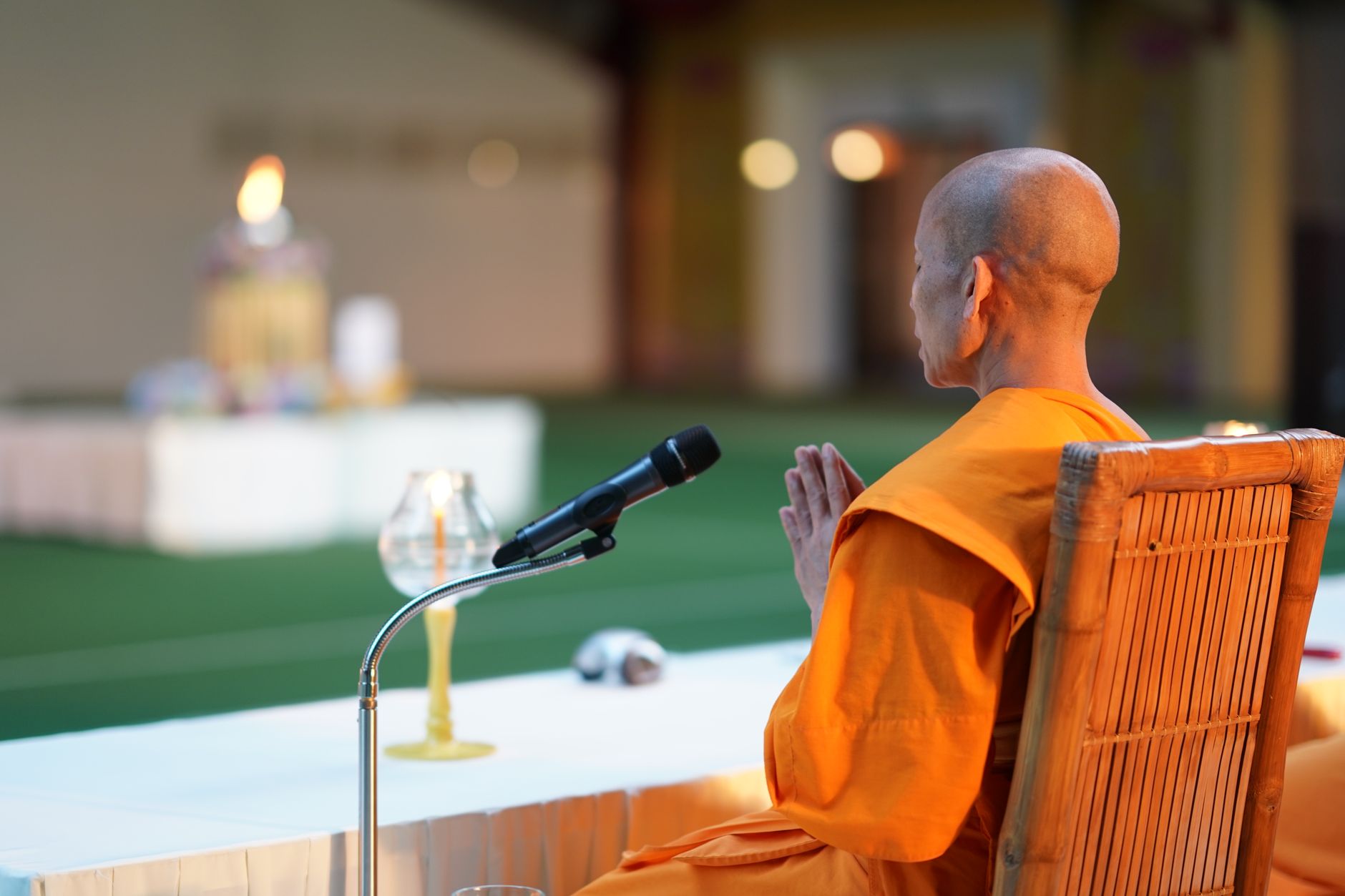
First light at Angkor Wat does not arrive gently. It comes as a slow burn across the horizon, turning the five sandstone towers from silhouette to honey-gold while a thousand strangers stand shoulder to shoulder in the damp grass, waiting. I remember thinking: this is not how I was taught to meet the sacred. And yet the sacred met us anyway.
“The temple is not a place you visit. It is a place that visits you — if you let it.”
Historical Context
The temples of Cambodia rise from a landscape shaped by water, faith, and empire. Between the ninth and fifteenth centuries, the Khmer kingdom built more than a thousand sanctuaries across the plains between the Tonle Sap lake and the Kulen hills. Angkor Wat, commissioned by King Suryavarman II in the twelfth century, was first a Hindu temple to Vishnu. Later, it became a Buddhist site. That shift was not a rupture. It was a continuation, a way of letting one tradition bow to another without erasing what came before.
What moved me most was not the scale of the architecture but the intention behind it. These were not monuments to individual ego. They were cosmograms in stone — maps of the universe, built to align with the sun and the stars, designed so that a human being walking through the gates would physically enact a journey from the earthly to the divine. Every causeway, every gallery, every steep stair was a teaching. The Khmer understood something we often forget: that the body learns what the mind cannot hold.
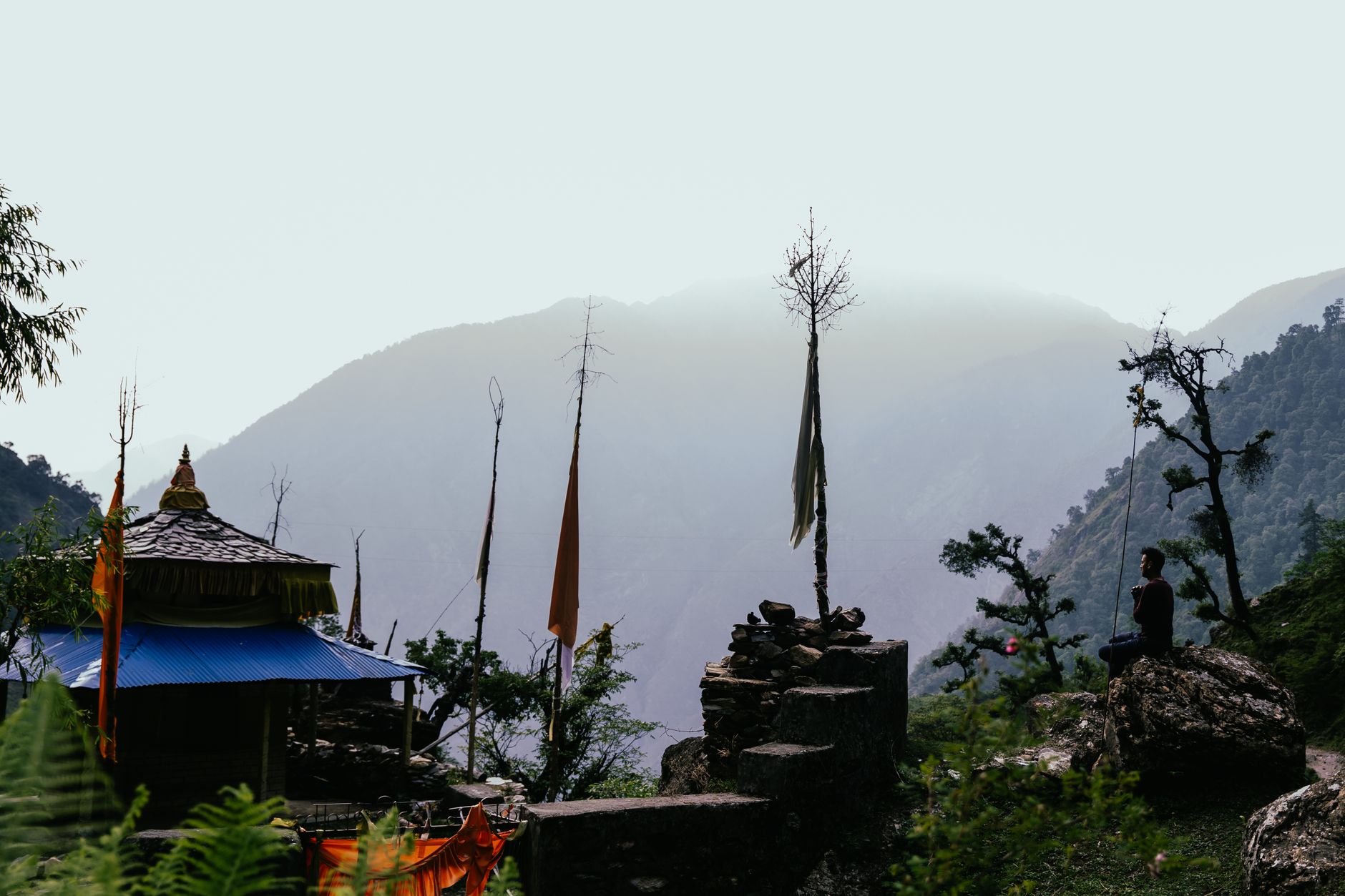
You can still feel that pedagogy today. The stones are worn, some stolen, many restored. But the geometry remains. And geometry, when you walk it slowly, becomes prayer.
The Experience
At Ta Prohm, the trees have taken over. Silk-cotton roots spill down the walls like the fingers of a giant hand, and the temple has surrendered to the jungle without resistance. There is a smell of moss and damp stone, of old rain held in the cracks. I sat on a fallen lintel and closed my eyes. The heat pressed against my skin. Somewhere a cicada began its electric drone, and then another, until the air itself seemed to vibrate. That is when I understood: these temples are not ruins. They are living organisms, breathing with the forest.
At Bayon, the faces. Two hundred and sixteen of them, carved into the towers, each one serene, each one slightly different. They are said to be the face of King Jayavarman VII, or Avalokiteshvara, or both. The distinction may not matter. What matters is the way they watch you. Not with judgment. With patience. As if they have been waiting for you to slow down for eight hundred years, and they are not disappointed that you have finally arrived.
At Banteay Srei, the carvings are so fine they look like lace. The temple is small, almost intimate, built from pink sandstone that glows in the late afternoon. Women often say it feels feminine. I think that is true, but not in the way we usually mean. It feels precise. Tender. Unhurried. The kind of attention that does not need to prove anything.
And then there is the silence between temples. The tuk-tuk ride through the countryside, the red dust, the children waving from the roadside, the smell of woodsmoke and lemongrass. The temples are not isolated wonders. They are part of a living culture that has continued, survived, and welcomed travellers for centuries. To separate the two — the sacred and the ordinary — is to miss the point.
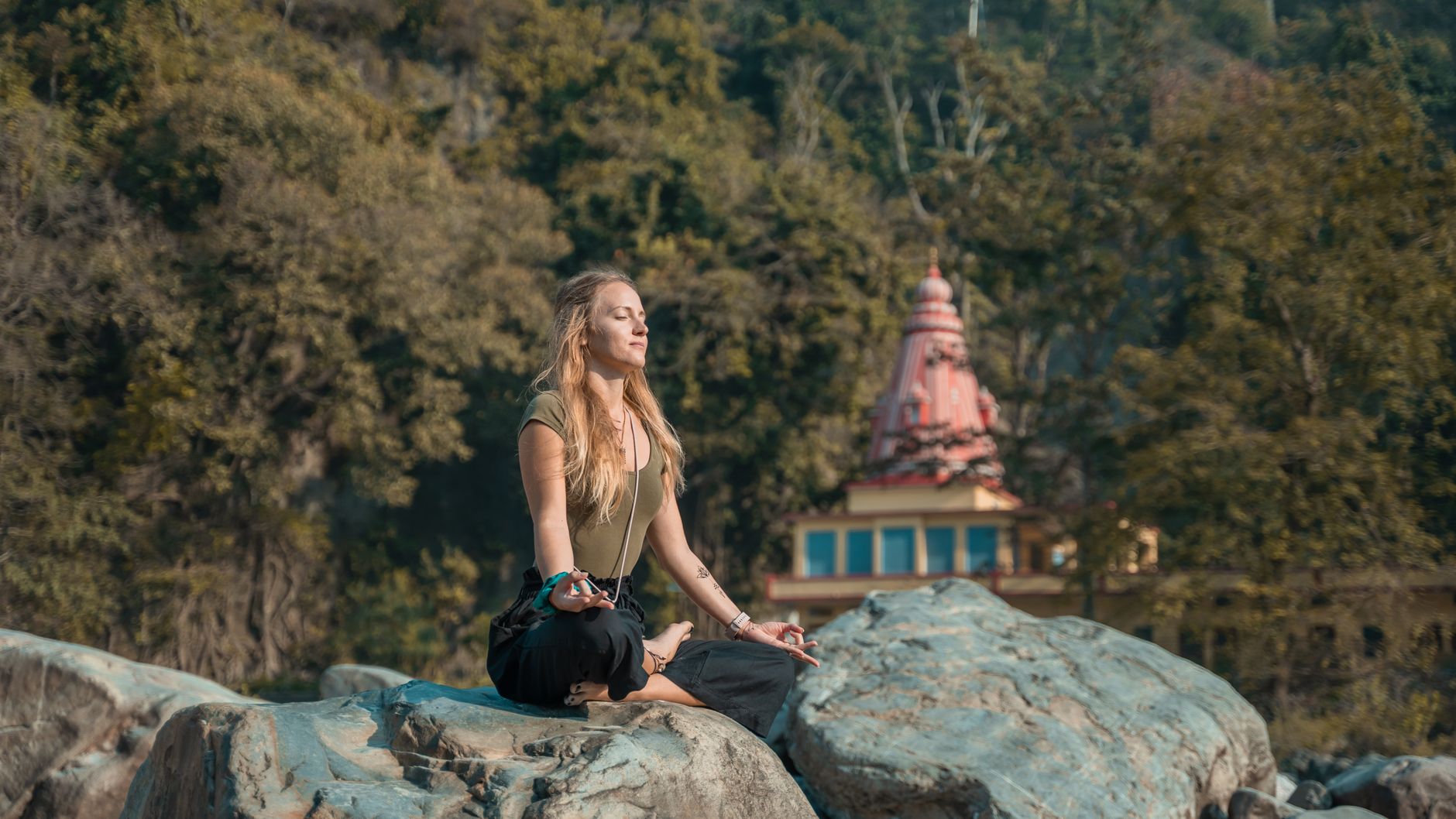
Who It’s For
This journey is for the traveller who is willing to be uncomfortable. Not physically, necessarily — though the heat and the stairs will ask something of you. But spiritually. Emotionally. It is for the person who suspects that the way they have been moving through the world is too fast, too loud, too full of their own voice. It is for the one who is ready to sit on ancient stone and listen instead of speak.
It is also for the traveller who values the body as a site of knowing. The Khmer temples were built to be walked, climbed, touched. If you are someone who learns through movement — through the soles of your feet, through the breath that shortens on a steep stair — you will find these places speak your language.
And it is for the traveller who does not need everything explained. Who can stand before a carved apsara and feel meaning without needing to name it. Who understands that some truths are not propositions but presences.
Who It’s NOT For
These temples are not for the collector. If your goal is to tick Angkor Wat off a list, take a selfie at sunrise, and move on to the next country, you will leave with photographs and little else. The temples do not reward speed. They reward presence. And presence cannot be rushed.
They are also not for the traveller who needs comfort at every turn. Some of the most profound moments happen on dusty paths, in 38-degree heat, with no air conditioning and no cold drink in sight. That is not a flaw. It is part of the practice. If you need five-star ease, Cambodia will offer you other gifts — but these particular stones ask for a different kind of willingness.
Finally, they are not for the person who wants to remain unchanged. The temples have a way of rearranging your interior furniture. You may arrive with one set of questions and leave with another. That is not always comfortable. But it is honest.
A Profound Insight
Here is the counter-intuitive thing I learned in Cambodia: the temples are not the destination. The walk to them is.
We tend to treat sacred sites as endpoints — places we arrive at, experience, and depart from. But the Khmer builders understood that the journey itself is the teaching. The long causeway leading to Angkor Wat is not just an approach. It is a practice. The uneven stones, the heat, the gradual reveal of the towers — all of it is designed to prepare you. By the time you reach the central sanctuary, you have already done the work. The temple is simply where you rest.
This changes how you travel. It changes how you live. Every step becomes a small arrival. Every breath becomes a threshold. You stop waiting for the moment of transcendence and start noticing that you are already inside it.
Carry this home. Not as a souvenir. As a way of moving through your ordinary days. The commute, the conversation, the washing of dishes — all of it can be a causeway. All of it can be walked with the same attention you gave to those ancient stones. The temple is not in Cambodia. The temple is wherever you are willing to arrive.
Key Takeaways and Recommendations
- Go slowly. Choose three temples, not ten. Sit for at least twenty minutes in each. Let the place settle into you before you move on.
- Walk the causeways barefoot when you can. The stone holds the heat of the day. Your feet will remember what your mind forgets.
- Learn a few words of Khmer. “Saok sabai” (hello) and “aw kun” (thank you) open doors that no ticket can.
- Visit at the edges of the day. Sunrise and late afternoon bring softer light, fewer crowds, and a quality of stillness that midday cannot offer.
- Let the journey be the practice. The tuk-tuk ride, the dusty road, the wait for your guide — none of it is wasted. It is all part of the temple.
Cambodia does not ask you to believe anything. It asks you to pay attention. And if you do, the stones will speak. The trees will teach. The heat will soften you. And you will return home not with answers, but with a deeper, more patient way of asking. That is the real pilgrimage. That is the real temple. And it begins the moment you decide to walk through the gate — wherever you happen to be standing.