The river does not hurry, and yet it arrives. I have sat on stones smoothed by ten thousand years of water and watched pilgrims older than my grandmother lower themselves into currents that carry the ashes of their ancestors toward the sea. Every ancient civilization built its holiest cities on a riverbank. The reason is simple. Water moves. Water cleans. Water remembers what we try to forget. To travel along a sacred river is to accept an invitation issued long before you were born — an invitation to slow down enough that the river can finally speak.
“The river is a prayer that never stops saying itself.”
Historical Context
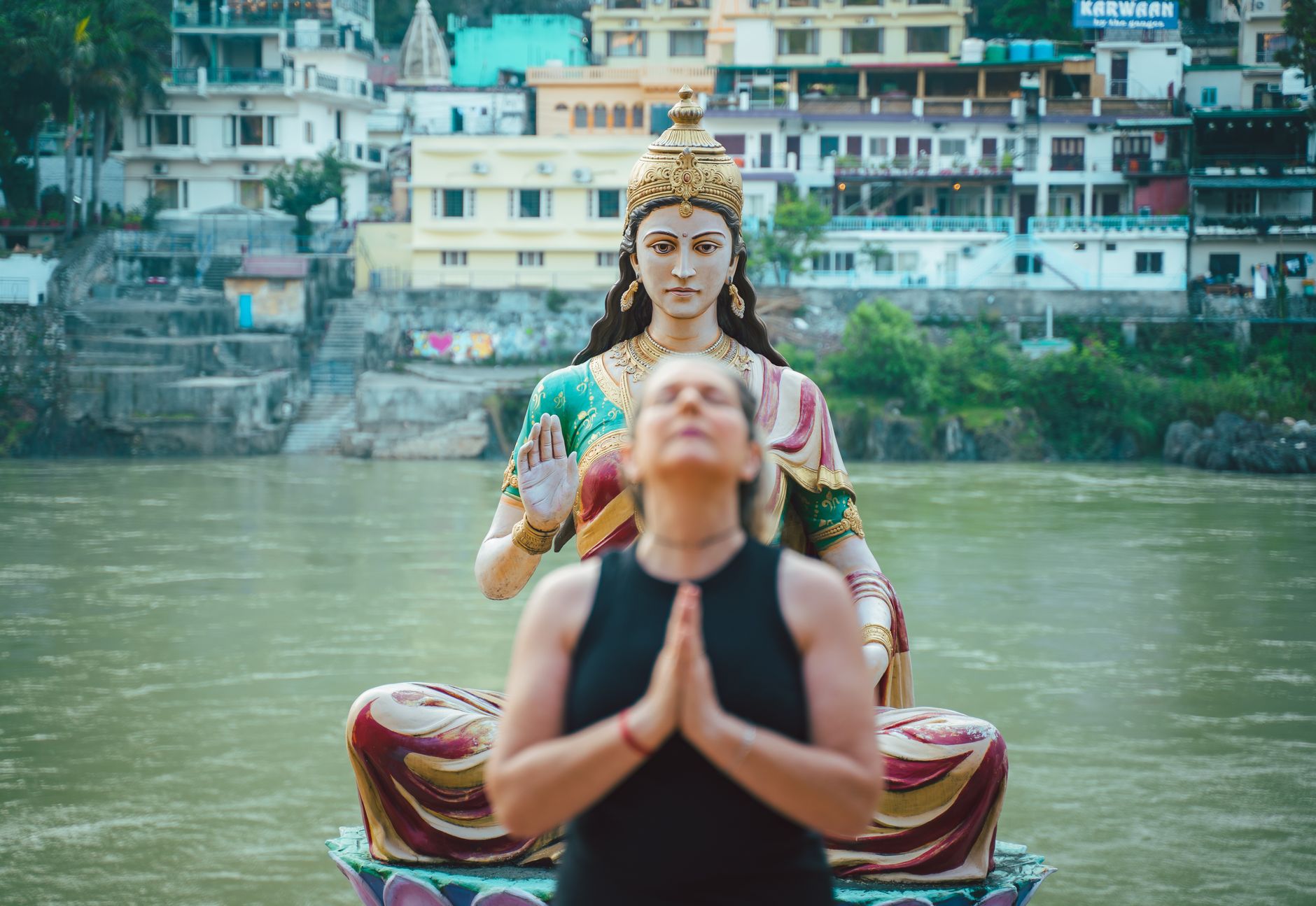
The Ganges rises in the Gangotri glacier of the Himalayas, and Hindus call her Ganga — a goddess who descended from heaven to earth to purify the ashes of a king’s sons. The Yamuna, her sister, flows past Vrindavan where Krishna is said to have played as a child. In Egypt, the Nile was the bloodstream of a civilization that measured its calendar by the flood. The Jordan witnessed baptisms and crossings that shaped three faiths. The Yellow River carried Chinese dynasties on its silt, so thick with sediment that it earned the name “China’s Sorrow.”
Geography unites these waterways, not theology. Every sacred river begins as snowmelt or spring rain, gathers the prayers of every village it passes, and empties into something larger than itself. The ritual stays the same in its essentials: approach the water, leave something behind, take something with you. The specifics change — a coconut, a coin, a lock of hair, a confession whispered into cupped hands. A river is the oldest technology we have for letting go.
The Experience
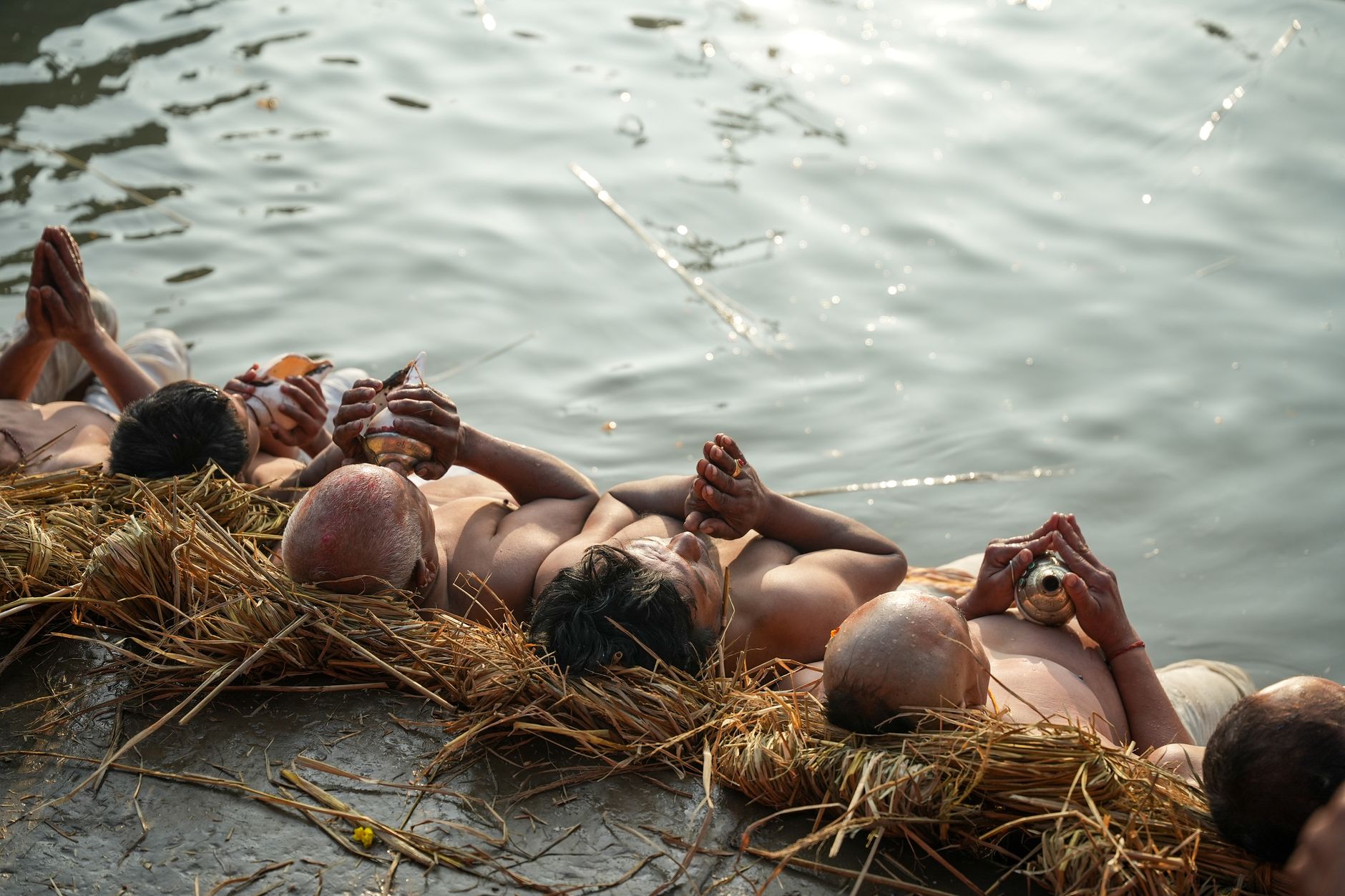
At dawn on the ghats of Varanasi, the air smells of marigolds, sandalwood smoke, and mustard oil burning in tiny clay lamps. A priest rings a bell that seems to vibrate inside your sternum. Downstream, a woman in a red sari wades to her waist and pours water toward the rising sun. Her lips move. You cannot hear what she says, and you are not meant to.
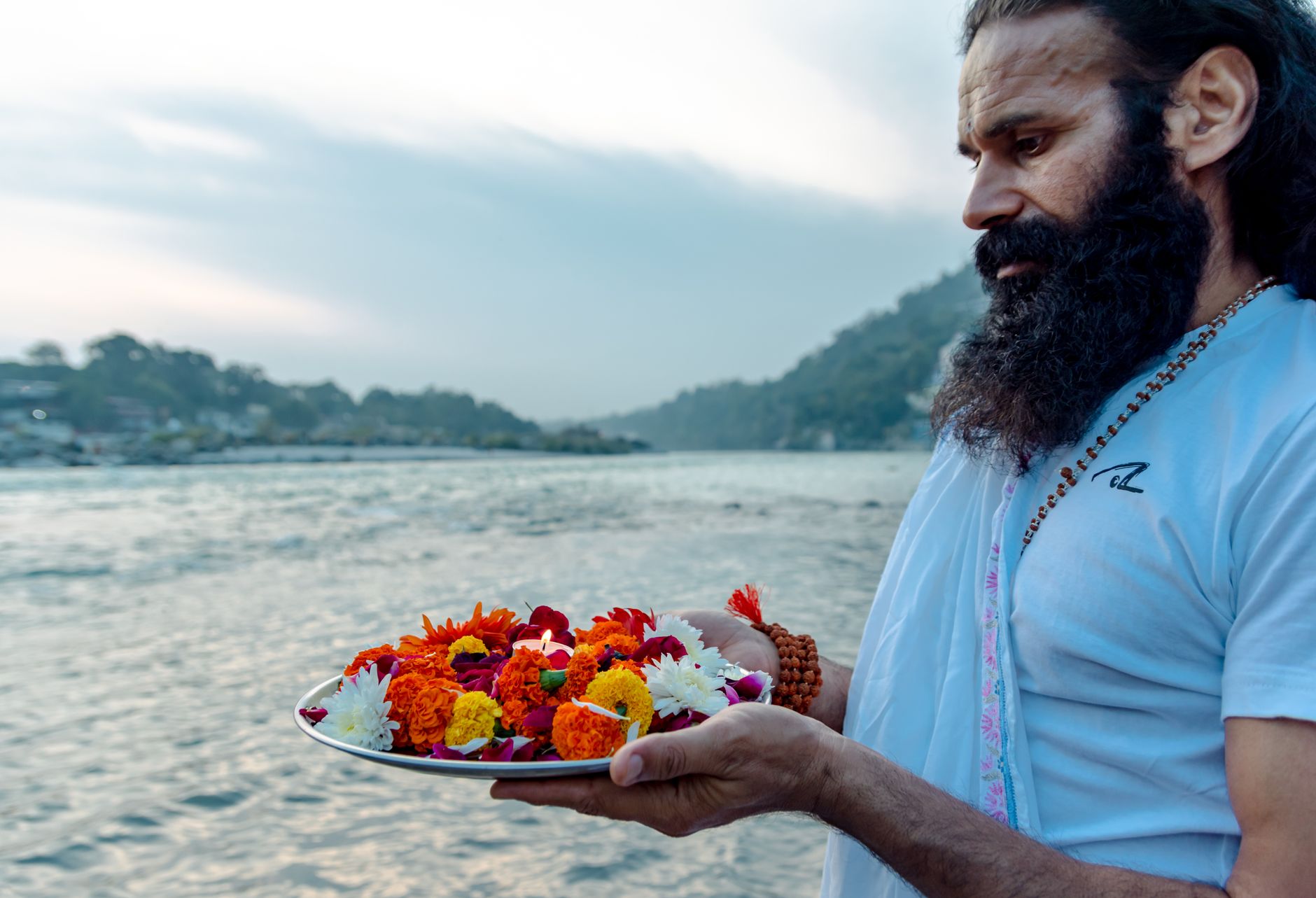
Your own feet are bare on wet stone. The cold travels up through your ankles and settles somewhere behind your ribs. Someone hands you a small bowl of flower petals and a candle. You are told to make a wish, but the wish dissolves the moment you try to shape it. Instead, you notice the river’s sound — not one sound, but a thousand overlapping ones: lapping, splashing, the low gurgle of something turning over beneath the surface.
On the Jordan, the experience is quieter and more austere. The water is brown-green and cold. Pilgrims in white robes line up to be immersed, and when they emerge, they are gasping and laughing at the same time. The river there is narrow enough to throw a stone across. It feels less like a god and more like a witness.
The Nile at Aswan at sunset turns the color of tea with milk. Feluccas drift with the current, their sails slack. An old fisherman casts a net that catches nothing, and he does not seem to mind. The river here has been dammed and re-engineered, its floods tamed by engineers, but something in the way the light falls on it still feels ancient. You understand why the Egyptians believed the sun god traveled through the underworld each night — the river at dusk is a doorway.
What all these rivers share is a quality of attention. They do not perform. They do not ask you to believe anything. They simply flow, and if you sit beside them long enough, your own thoughts begin to move in the same rhythm. Slower. Steadier. Less urgent.
Who It’s For
This kind of travel suits the person who has grown tired of collecting destinations. You have taken the photographs, bought the souvenirs, checked the boxes. Now you want something that cannot be captured in an image. You are willing to wake before sunrise and sit on stone steps worn smooth by centuries of feet. You do not need a five-star resort at every stop. You understand that discomfort is sometimes the price of depth.
It is for the traveller who can be still. Not everyone can. Some people need constant motion, and that is fine. But if you have ever found yourself sitting on a park bench for an hour just watching pigeons, you probably have the temperament for this. The sacred river asks for your time, not your money. It asks you to be present without an agenda. That is a harder ask than it sounds.
Who It’s NOT For
This is not for the traveller who needs everything explained. The rituals you will witness — the floating lamps, the ash-smeared ascetics, the chanting that goes on for hours — do not come with a guidebook that translates every gesture into a neat meaning. If you need a tidy narrative where every action has a clear purpose and every symbol maps neatly onto a lesson, you will leave frustrated. The river does not explain itself.
It is also not for those who cannot tolerate physical discomfort. The ghats are slippery. The water is not always clean. The crowds can be overwhelming, and the heat in summer is punishing. You will be asked for money by people who genuinely need it and people who do not. You will see poverty and devotion sitting side by side, often in the same person. If that makes you angry or frightened rather than curious, this journey will not serve you.
And here is a counter-intuitive truth: the sacred rivers are not for the spiritual tourist who wants a story to tell at dinner parties. They are for the person willing to be changed in ways that are not photogenic. The most profound moments on these riverbanks are often the ones you will never be able to describe. If you need a return on your investment, stay home.
A Profound Insight
A river is the only thing in nature that is exactly the same and completely different at every moment. The water you touch has never been there before. The river you leave is not the river you found. And yet it is still the Ganges, still the Nile, still the Jordan. This is the paradox at the heart of every spiritual tradition: you are not the same person you were yesterday, and you are still unmistakably yourself.
I learned this on the banks of the Yamuna, sitting beside a man who had come to scatter his father’s ashes. He was not crying. He was eating an orange and watching the current. “My father used to say that grief is just love with nowhere to go,” he told me. “But the river gives it somewhere to go.” Then he offered me a segment of his orange. It was the sweetest thing I ate that entire year.
What you carry home from a sacred river is not a revelation. It is a rhythm. The rhythm of letting things pass without chasing them. The rhythm of showing up without knowing what will happen. The rhythm of trusting that the water knows where it is going, even when you do not.
Here is what I would tell anyone preparing for this journey:
- Go early. The river before sunrise belongs to the people who live beside it, not to tourists. That is the hour when you learn the most.
- Wear clothes you do not mind getting wet and dirty. Sacred rivers are not clean rooms. They are living things.
- Bring a small offering — flowers, a coin, a piece of fruit. The gesture matters more than the object.
- Sit for at least an hour without taking a photograph. Let your eyes do the remembering.
- Learn three words in the local language: hello, thank you, and beautiful. They will open more doors than any guidebook.
You do not need to be religious to stand on a riverbank and feel something shift. You only need to be willing to stand there long enough for the shift to happen. The river will do the rest. It has been doing it for thousands of years, for millions of people, and it will do it for you if you let it. The water is patient. The water is always patient. And when you finally step away, you will carry a small piece of that patience with you — not as a memory, but as a way of moving through the world. Slower. Steadier. Less urgent. More alive.