“`html
The Art of Arriving Slowly: A Philosophy for the Mindful Traveler
“The journey itself is the destination, if only we have the patience to let it unfold.”
Historical Context
Slow travel is no invention. Neither is it a trend born from hashtags. Its roots run deep into the pilgrim traditions of every major faith — the Camino de Santiago, the Kumbh Mela, the Shikoku Henro. These were not vacations. They were transformations undertaken on foot, at the pace of breath and heartbeat.
In the nineteenth century, the Grand Tour of Europe was still measured in months, not days. Aristocrats lingered in Rome for a season, learning language and art rather than ticking museums off a list. Then came the railway, then the airplane, and with each acceleration we lost something essential.
Speed became a virtue. We began to see distance as an obstacle to overcome, not a landscape to inhabit. The counter-movement arose quietly, in the writings of Patrick Leigh Fermor, who walked across Europe in the 1930s, and later in the words of Rebecca Solnit, who reminded us that walking is how we think with our feet. Slow travel reclaims an older rhythm. One where the road itself becomes a teacher.
The Experience
Imagine waking without an alarm. The light through thin curtains is the only clock you need. You hear a rooster, then a neighbor sweeping her doorstep with a straw broom — a sound like soft rain on dry earth.
You walk to the market not to buy, but to be among. The vendor hands you a bruised peach, insisting you taste it before deciding. You do. Its sweetness surprises you, and you buy a kilo more than you need because the moment asked for generosity.
Coffee is drunk slowly, in a cracked ceramic cup that has served a hundred conversations before yours. You notice the grain of the wooden table, the way the morning sun reveals dust motes dancing. Time does not pass here. It pools.
Later, you take a wrong turn on purpose. A dirt path leads to an olive grove, then to a stone chapel no guidebook mentions. Inside, the air is cool and smells of wax and old incense. You sit on a wooden bench, not praying, not thinking — just being present in the hush.
The afternoon dissolves into reading under a fig tree. A lizard watches you from a rock, motionless, patient. You realize you are learning to do the same. By evening, you have traveled perhaps six kilometers, yet you feel more changed than after any ten-country sprint.
That is the paradox of slow travel. You see less, but you notice more. The mind, uncluttered by itineraries, begins to open like a flower that finally trusts the sun.

Who It’s For
This path serves the traveler who is tired of collecting places like souvenirs. You are the one who has stood before the Mona Lisa, only to remember the crush of the crowd more than the painting. You have flown to seven cities in ten days and returned home feeling emptier than when you left.
Slow travel calls to those who sense that real connection — to place, to people, to self — requires unhurried presence. It suits the introvert who finds energy in quiet observation, the writer searching for material, the artist seeking palette and texture.
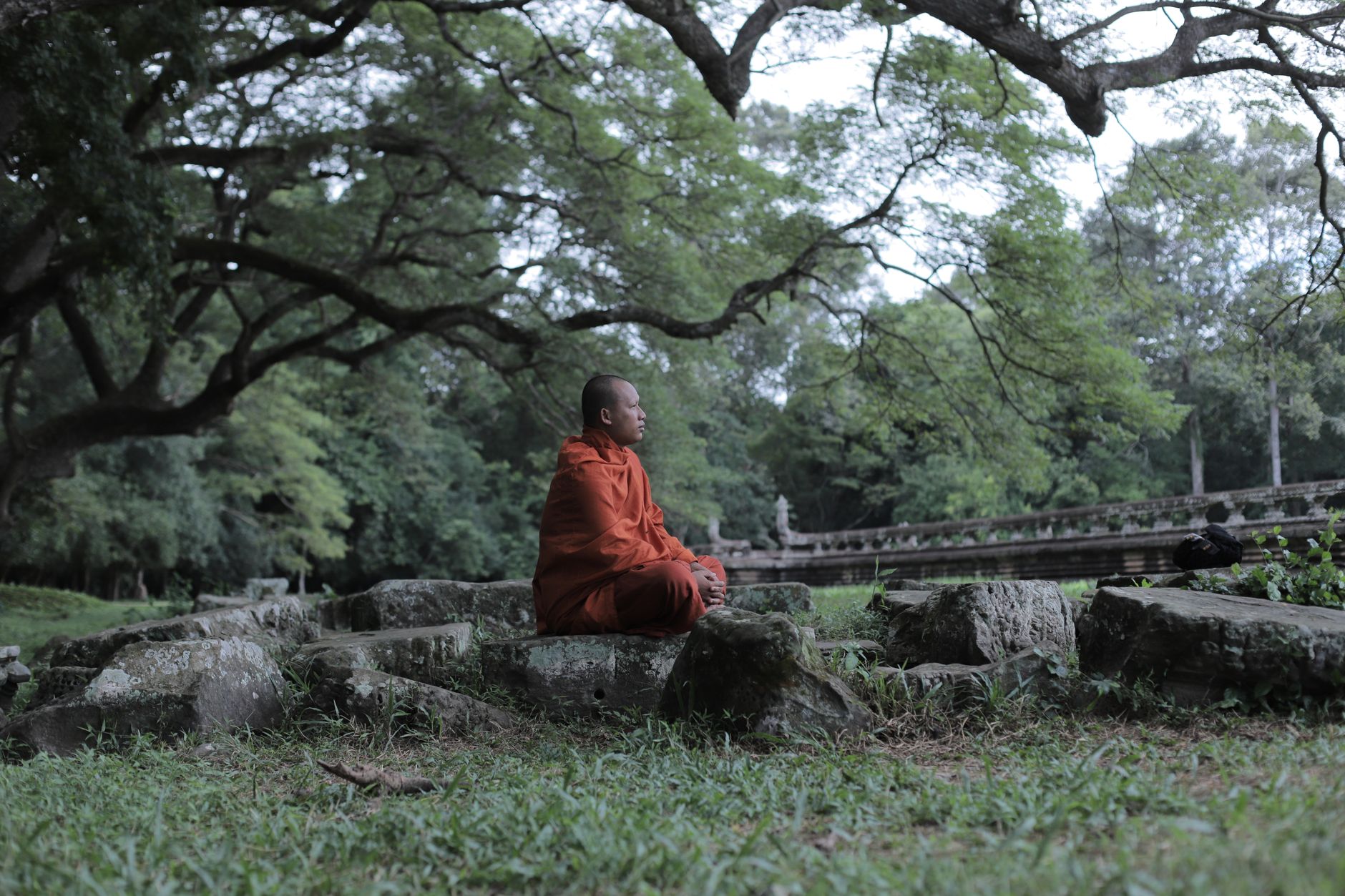
It also serves the spiritual seeker. Not the one who chases exotic gurus, but the one who understands that a single tree, observed daily for a week, can teach more than a hundred temples visited in haste. This approach asks a simple question: *Can you sit with a place long enough for it to reveal its secrets?*
Who It’s NOT For
Honesty demands a boundary. Slow travel is not for the vacationer with two weeks and a bucket list of thirty sights. If your joy comes from the thrill of crossing borders, of stamping passports, of saying “I’ve been there,” then slow travel will frustrate you.
It is also not for those fleeing inner silence. When you move slowly, the mind has space to surface its unfinished business. Regrets, anxieties, unexamined patterns — they all rise like sediment in a stilled pond. Some travelers find this unbearable and reach for their phones, their schedules, their next destination.
Nor is it suited to the trip that must accomplish something measurable — a business retreat, a research project, a family obligation with fixed dates. Slow travel thrives on improvisation. It withers under deadlines. If you cannot surrender control of the clock, you will feel trapped rather than liberated.
There is no shame in this. Knowing what you are not ready for is a form of wisdom. The counter-intuitive truth is that slow travel is not easier — it is harder. It demands more courage to stay than to flee, more strength to sit still than to run.
A Profound Insight
What you carry home from slow travel is not a better photo album. It is the quiet revelation that arrival is not a place, but a state of attention.
We spend our lives rushing toward imagined futures — the promotion, the retirement, the perfect holiday. Slow travel dismantles this illusion by showing that the present moment, fully inhabited, is already complete. The dusty road, the shared meal, the unexpected rain — these are not obstacles to the experience. They are the experience.
Consider the Zen saying: “Before enlightenment, chop wood, carry water. After enlightenment, chop wood, carry water.” Slow travel offers the same teaching. You do not need a more exotic destination. You need to be more fully where you already are. The practice begins at home, in your own kitchen, on your own street, long before you board any train.
One week of slow travel can reset your relationship with time itself. You return not with souvenirs, but with a slower pulse, a softer gaze, and the radical notion that you have nowhere else to be. That, perhaps, is the most profound souvenir of all.
Conclusion
The philosophy of slow travel is ultimately a practice of trust — trust that the unplanned moment will be richer than the scheduled one, that the path will provide what you need, that your own presence is enough. It asks you to trade the anxiety of missing out for the deeper joy of showing up.
As you plan your next journey, consider leaving empty space in your itinerary. Leave room for the wrong turn, the extended conversation, the afternoon with no purpose. The world has been waiting for you to arrive — not as a tourist, but as a guest. And guests do not rush. They savor. They listen. They stay long enough to become, briefly, part of the place.
Go slowly. The road will still be there tomorrow. The question is whether you will be truly present enough to meet it.
“`