The last night of a journey has its own weather. The suitcase gapes open on the bed like a question. Below the window, the street is doing what streets do — a scooter, a laugh, the clatter of a shutter pulled down for the night. You are already half-gone, half-here, and that split is the strangest feeling travel offers. Nobody warns you that endings arrive early, that the mind packs its bags a full day before the body does. So let us talk about the final evening. Not the itinerary, not the departure card. The quiet art of leaving with gratitude intact.
“The end of a journey is not a door closing. It is a bow.”
Historical Context
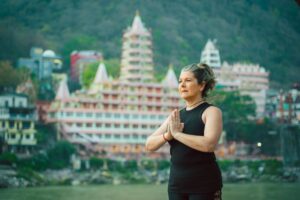
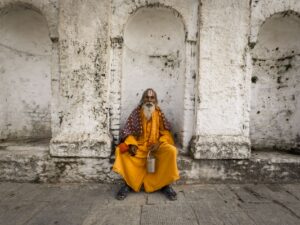
Gratitude as a deliberate practice at the close of a passage is older than any boarding pass. In the Buddhist tradition, the anussati — the recollections — include a contemplation on what has been received: the kindness of strangers, the labour behind a meal, the ground beneath your feet. Monks in the Theravada lineages have chanted verses of thanks at the end of a rains retreat for over two thousand years. The retreat ends; the gratitude is the point of it ending. Without the closing chant, the season would simply stop, and stopping is not the same as completing.
Pilgrims walking the Camino de Santiago carry a stone from home and leave it at the Cruz de Ferro. That small ritual is an ending made physical. The Japanese have a word, shūen, for the graceful conclusion of a thing — the final note held until it fades, not cut. And in the Sufi tradition, the traveller returns home not as the same person who left, but as a guest bearing gifts of remembrance. Each of these traditions understood something the modern traveller forgets: the closing ritual is not decoration. It is the mechanism by which an experience becomes wisdom. The gesture is small. The transformation is not.
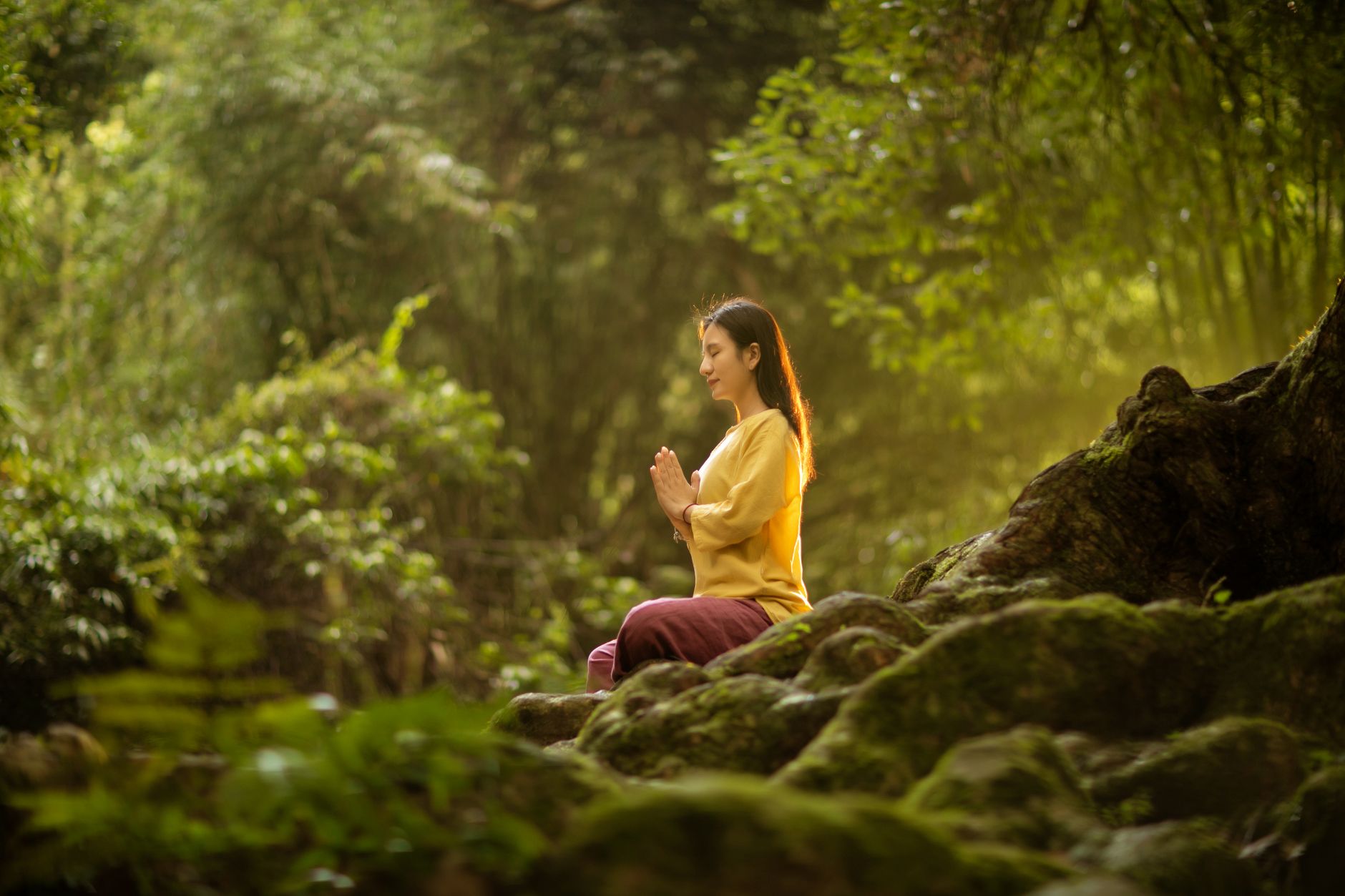
Notice the pattern. These are not celebrations of arrival. They are ceremonies of completion. The end is treated with the same care as the beginning, sometimes more, because the end is when the meaning settles. What does your own culture offer you at the close of a journey? Often nothing but a taxi and a to-do list. This is a gap worth filling. Fill it slowly, and fill it yourself, because no one is going to hand you the ritual. You have to make it from what you have: a quiet hour, a willing heart, and the willingness to sit still while the journey finishes itself.
The Experience
Here is what it feels like, done well. The final morning, you wake before the alarm. The light in the room is unfamiliar and beautiful and about to be gone. Coffee on a balcony, or tea in a paper cup, and you sit with it instead of scrolling. The city sounds arrive without demand. You are not sightseeing now. You are saying goodbye. The difference is subtle and total: the eye stops grabbing and starts receiving.
Gratitude at this hour is not a mood. It is a practice, and it has texture. It begins with the body — the legs that carried you up the hill, the hands that counted unfamiliar coins, the eyes that took in more than they can now recall. Then it widens. The woman who pointed you toward the correct platform without being asked. The rain that ruined your afternoon and gave you the best meal of the trip, because you ducked into a doorway and stayed. The stranger who corrected your pronunciation and laughed with you, not at you. Each of these is a thread. Gratitude is the act of gathering them before they fray.
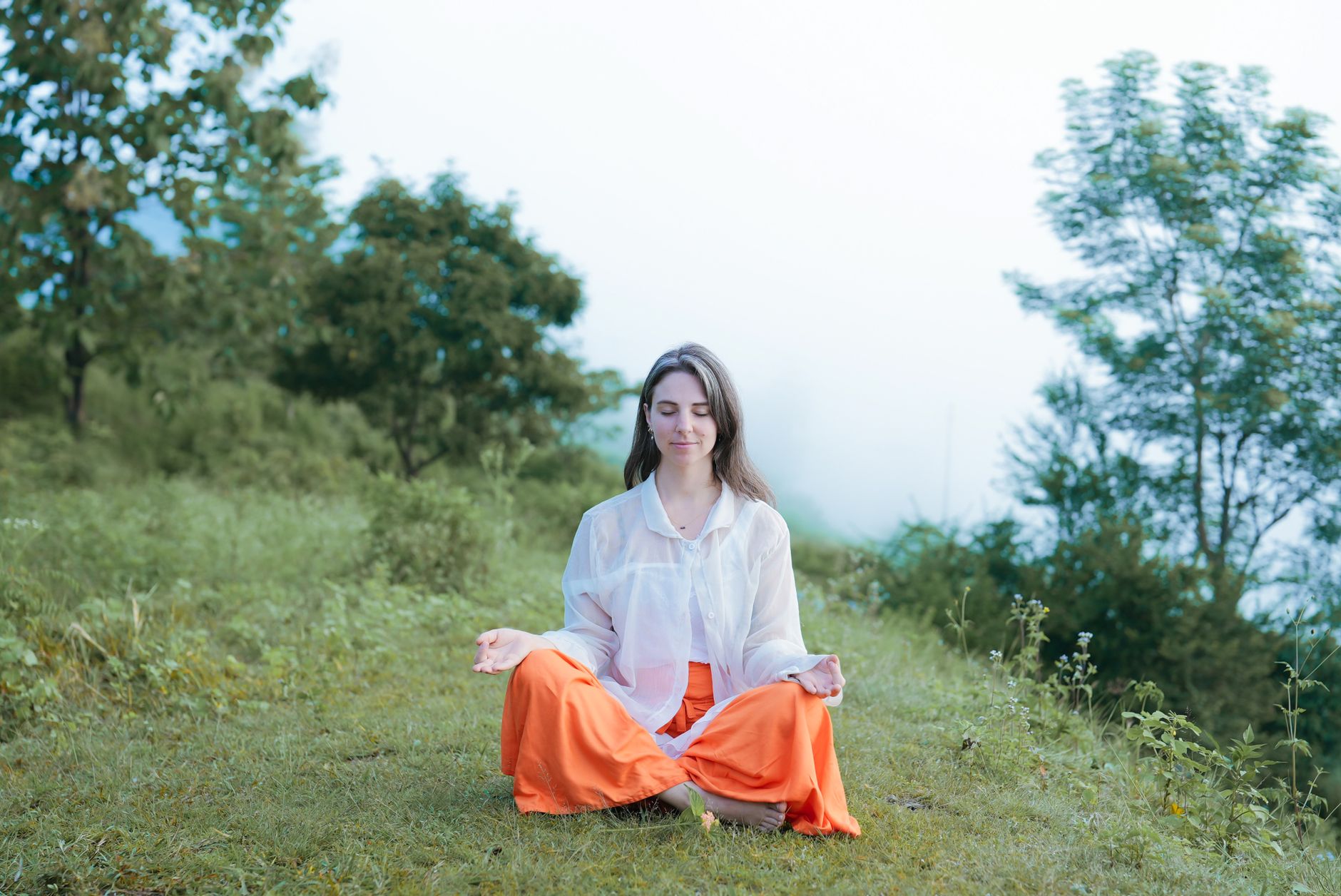
Try this: before you leave the room, stand still for one minute and let the place be exactly as it is. No photograph. No narration. Just the window, the light, the particular silence of a hotel at nine in the morning. The mind will want to rush to the airport. Let it rush; you stay. This minute is the whole practice. It is astonishing how much of a journey passes while we are busy planning the next move within it. The room does not need your attention. You need the room’s stillness, and it gives it freely, one last time.
Then there is the harder layer. Gratitude for what went wrong. The missed train that stranded you in a town you now cannot stop thinking about. The food you didn’t understand until the third bite. The loneliness of the fourth day, which taught you something about your own company you had been avoiding at home. A journey that only earns thanks for its pleasures is a shallow journey. The full accounting includes the friction, because the friction is where you grew. Anyone can thank a sunset. Thanking the lost afternoon takes practice, and the practice is the point.

Who It’s For
This practice serves the traveller who suspects that the photograph is not the experience. If you have ever come home from a beautiful place and felt oddly empty — as though you consumed the journey rather than met it — this is for you. It suits the slow traveller, the one who lingers in a square for an hour, the one who keeps a small notebook and writes badly in it. Badly is fine. The notebook is not a performance; it is a container, and containers do not need to be beautiful to hold what matters.
It serves people at thresholds. The end of a long trip. The end of a season of life that a trip was marking. The traveller who has just finished something — a pilgrimage, a retreat, a stretch of grief, a sabbatical — and needs to set it down properly rather than simply walk away from it. Gratitude is how you put a thing down without dropping it. Dropping is easy. Setting down is an art, and it asks for both hands and a steady breath.
And it serves the returner. The one who knows that the hardest leg of any journey is the one that lands you back in your own kitchen, where the kettle is where you left it and everything is exactly the same except you. The closing practice is preparation for that. It builds a bridge between the person who left and the person who is arriving. Without the bridge, you arrive as a stranger in your own life, carrying a suitcase of images no one at home can read.
Who It’s NOT For
This is not for the traveller who needs the journey to stay unfinished. Some people leave a place and immediately begin planning the return, and that is a legitimate way to live — but it is not this practice. Gratitude requires you to accept that the ending is real. If you are not ready to accept that, the ritual will feel hollow, and hollow rituals do more harm than none. A bow performed without feeling is just a bending of the spine. Wait until you mean it.
Nor is it for someone in the middle of an emergency. If you are racing to a hospital, or your flight was cancelled and you are sleeping in an airport, put this essay down. Gratitude is not a demand to make of a person in crisis. There is a time for the bow and a time for the sprint. Confusing the two is a kind of spiritual cruelty, and I have seen it done. The practice will be here when the emergency has passed. It is patient. It has been waiting two thousand years; it can wait for you.
And it is not for the collector of rituals. If you are drawn to this because it sounds like a beautiful thing to do rather than because you have something to close, wait. The practice will keep. It is not a performance for your journal. It is a conversation between you and a place, and conversations cannot be scheduled for aesthetic reasons alone. The place will know the difference, even if no one else does.
A Profound Insight
Here is a counter-intuitive thought, and I will defend it: the end of a journey is more important than the beginning. We lavish attention on departures — the anticipation, the planning, the first photograph — and give the return almost nothing. Yet it is the ending that determines what the journey becomes in memory. An unclosed journey curdles. It becomes a blur of images with no meaning attached, a thing you did once. A closed journey becomes a story you can draw on for years. The beginning promises. The ending delivers, or it does not, and the difference is a single hour of attention.
The insight is this: gratitude is not the reward for a good journey. It is the act that makes the journey good, retroactively. When you sit with thanks, you are not merely feeling something. You are editing. You are choosing which moments to carry and which to leave at the gate. The memories you select in gratitude become the ones that shape you. This is why the closing matters. You are not just remembering. You are becoming. Memory is not a filing cabinet; it is a workshop, and gratitude is the hand that keeps working the material until it takes a shape you can live with.
There is a quiet corollary. If gratitude shapes what you carry, then the journey never really ends. It continues as a quality of attention you bring to the ordinary. The train platform, the doorway, the stranger — they are all still there, in every city, including your own. The practice teaches you to see the journey in the everyday. That is the gift that outlasts the trip. The souvenir breaks. The photograph fades. The attention remains, and it keeps finding new things to bow to.
Conclusion
So, the final evening. The suitcase is still open. The street is still doing what streets do. You have one more thing to do before you sleep, and it takes no equipment and no reservation. Sit down. Make a small list, in whatever form suits you — spoken, written, held silently in the mind. Let it be honest, not pretty. Then go to bed, and let the journey end. The ending is not a loss. It is the last thing the journey has to teach you, and it teaches best when you are still.
When you return home, you will find the kettle exactly where you left it. The gratitude will be the only thing that is not the same. Carry it gently. It is lighter than a souvenir and lasts far longer. And the next time you stand at the beginning of something, you will know — because you learned how to end — how to begin with your whole heart.
- Set aside one uninterrupted hour on your final evening for a closing practice — no screens, no packing, no planning.
- Name three specific things the journey gave you, including at least one difficulty or wrong turn.
- Thank one person out loud — a host, a guide, a stranger who helped — before you leave.
- Stand in your room for one minute and let the place be as it is, without photographing it.
- Write a single sentence about who you are now that you were not when you arrived, and keep it where you will see it at home.