“`html
The Unplugged Pilgrimage: Finding the Sacred in Digital Detox Travel How to Unplug in. How to Plan a.
“We are shaped by what we refuse to see as much as by what we finally allow ourselves to touch.”
Historical Context
Long before the blue light of screens painted our evenings, pilgrims walked the Camino de Santiago with nothing but a staff, a scallop shell, and the rhythm of their own breath. They carried no maps that pinged, no voices that interrupted the wind. That tradition of deliberate removal—stepping away from the village, the marketplace, the chatter—is older than any monastery wall. In Japan, the practice of *yūgen* asked travellers to sit in the mist and let meaning arrive slowly. In India, the *sannyasi* renounced possession not as punishment, but as a doorway to presence. Digital detox travel borrows this ancient skeleton. It strips the smartphone, the notifications, the endless scroll, and leaves you with what every pilgrim has always sought: the raw texture of a single moment. The difference is that our modern wilderness is not the forest. It is the silence between pings. And we have forgotten how to stand in that silence without flinching.
The Experience
You land in a small coastal village where the Wi-Fi password is written on a chalkboard behind the counter—but no one asks for it. The first hour feels like a phantom limb. Your thumb twitches toward a pocket that holds no device. Then something shifts. The air carries salt and diesel and the distant cry of gulls. You notice the way a fisherman mends his net, the slow, deliberate knot of his fingers, unhurried by any algorithm. Coffee tastes sharper. The afternoon stretches like a cat on a warm stone. By the third day, your ears begin to unclog. You hear the creak of a wooden dock, the murmur of a conversation two tables over, the pulse of your own heartbeat. There is no alert to answer. No red badge waiting. The hours cease to be segmented into notifications; they become a continuous river. You walk without a destination, and the sun marks time across your skin. Evening comes as a soft blue hush. You write in a paper journal—not for an audience, but because the pen moving across the page feels like a prayer. Are you bored? Sometimes. But boredom, you remember, is the soil where imagination grows. And in that soil, you begin to feel the shape of your own thoughts, untethered from the noise of others.
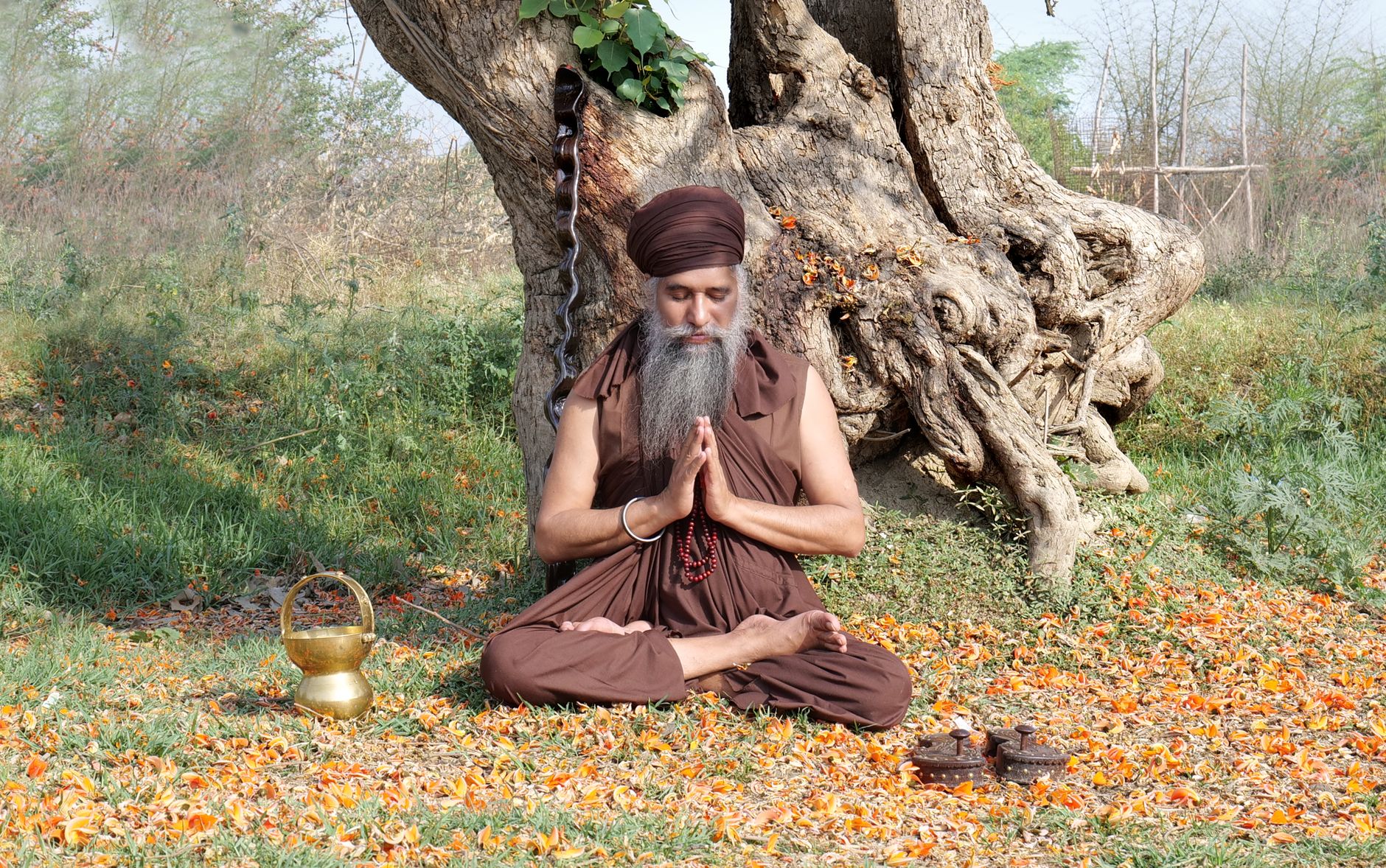
One night, you sit on a rock above the tide. No camera. No story to post. The moon is just a moon. The water just water. And you are just a person, breathing in the dark. That is the entire experience. It is not dramatic. It is not photogenic. It is devastating in its quiet completeness.

Who It’s For
This travel is for the one who checks their email before opening their eyes. For the parent who photographs the birthday cake but misses the child’s grin. For the professional whose worth has become entangled with response time. It serves the person who feels a low hum of anxiety when their phone dies, and who suspects—deep down—that this is not freedom. It is also for the creative soul whose ideas have dried up because every spare moment is swallowed by feeds. The writer who cannot write without first checking the news. The thinker who has stopped thinking because thinking requires uninterrupted time. If you have ever caught yourself scrolling in a beautiful place, then looked up and felt a pang of loss, this journey is your mirror. It does not require you to be spiritual. It requires only a willingness to be uncomfortable for a few days. To let the mind wander without a leash. To relearn the art of doing nothing, completely, with your whole attention.
Who It’s NOT For
Honesty demands a boundary. This path is not for the parent of a newborn who needs urgent contact with a caregiver. It is not for the traveller managing a chronic health condition that requires remote monitoring. It is not for the journalist on deadline or the crisis responder who must remain reachable. Digital detox travel does not judge these necessities; it simply cannot serve them. Nor is it for the person who secretly hopes that unplugging will fix a deeper unhappiness—the kind that follows you into silence like a shadow. Leave your phone behind, and you will still be there. That is the uncomfortable truth. If you cannot sit with your own thoughts for an hour, five days of solitude will not be a retreat; it will be a confrontation. And that is honest. This travel is not an escape from yourself. It is an appointment with yourself. Arrive only if you are ready to keep that meeting. Otherwise, the detox will become just another performance—a story you tell later, while staring at a screen.
A Profound Insight
Here is the idea worth carrying home, folded into your pocket like a smooth stone. The opposite of connection is not disconnection. It is distraction. We have mistaken constant contact for intimacy, and constant stimulation for aliveness. When you unplug, you do not lose the world. You gain the ability to be present in it. The phone was never the enemy; it was the excuse. The real detox is not from technology—it is from the illusion that you are missing something by being exactly where you are. Carry that. Let it sit in your chest like a low bell. The next time you reach for your device in a quiet moment, pause. Ask yourself: what am I afraid of encountering in this stillness? That question is the true souvenir. It will outlast any photograph, any post, any like.
You return home, and the old habits rush back like a tide. The notification chime, the reflexive swipe, the endless feed. But something has shifted in the architecture of your attention. You notice the first sip of coffee, the texture of a friend’s laughter, the way rain sounds on the window. You do not need to renounce your phone forever. That is not the point. The point is to remember that you are the one holding it. Not the other way around.
“`