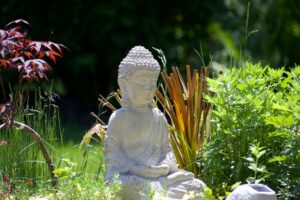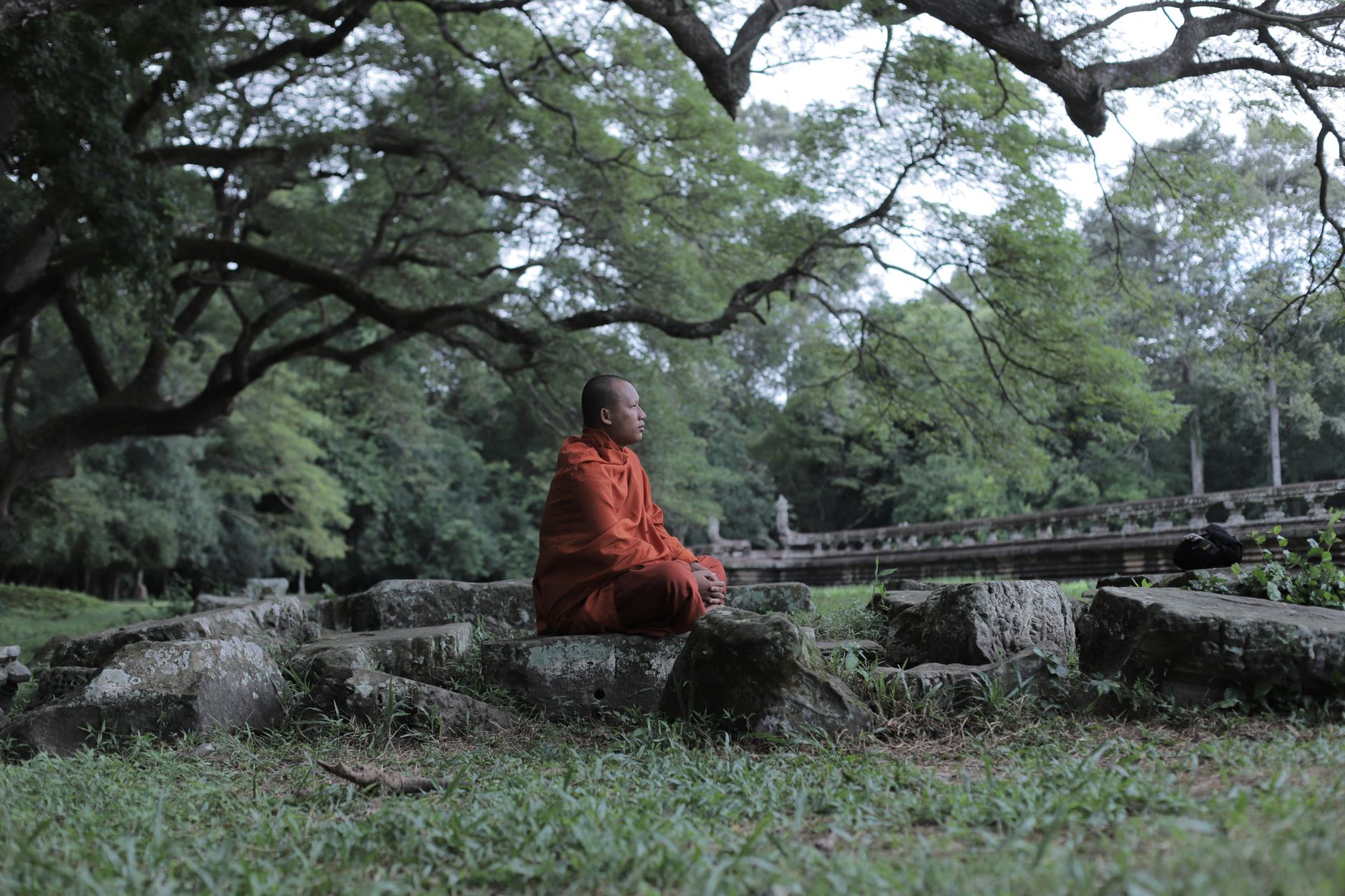
The first time I sat on the ghats of Varanasi before sunrise, I understood that India does not offer herself to the hurried. She withholds her secrets from those who arrive with checklists. The river moved slowly, carrying marigolds and ash and the quiet murmur of prayers spoken in the same spot for three thousand years. Beside me, an elderly woman in a saffron sari dipped her fingers into the water without ceremony, as if greeting an old friend. I had come to India to see. I left having been seen.
“Travel is not an escape from the self but a slow return to it.”
Historical Context
Conscious travel in India is not a modern invention. It is a homecoming. For centuries, pilgrims have walked the subcontinent’s dusty roads not to consume but to surrender — to the heat, to the unknown, to the rhythm of a land that moves at its own pace. The Char Dham pilgrimage, the Kumbh Mela, the long walk to Amarnath: these journeys were never about comfort. They were about transformation. The traveller left home as one person and returned as another, often without being able to explain how.
What we now call “mindful travel” or “conscious travel” is simply a Western name for an Eastern practice. The sadhus who wander barefoot through Rishikesh, the Jain monks who sweep the ground before each step to avoid harming insects, the villagers who feed strangers without asking their names — these are the original conscious travellers. They understood something we are only now rediscovering: that the quality of a journey is measured not by what you collect but by what you release.
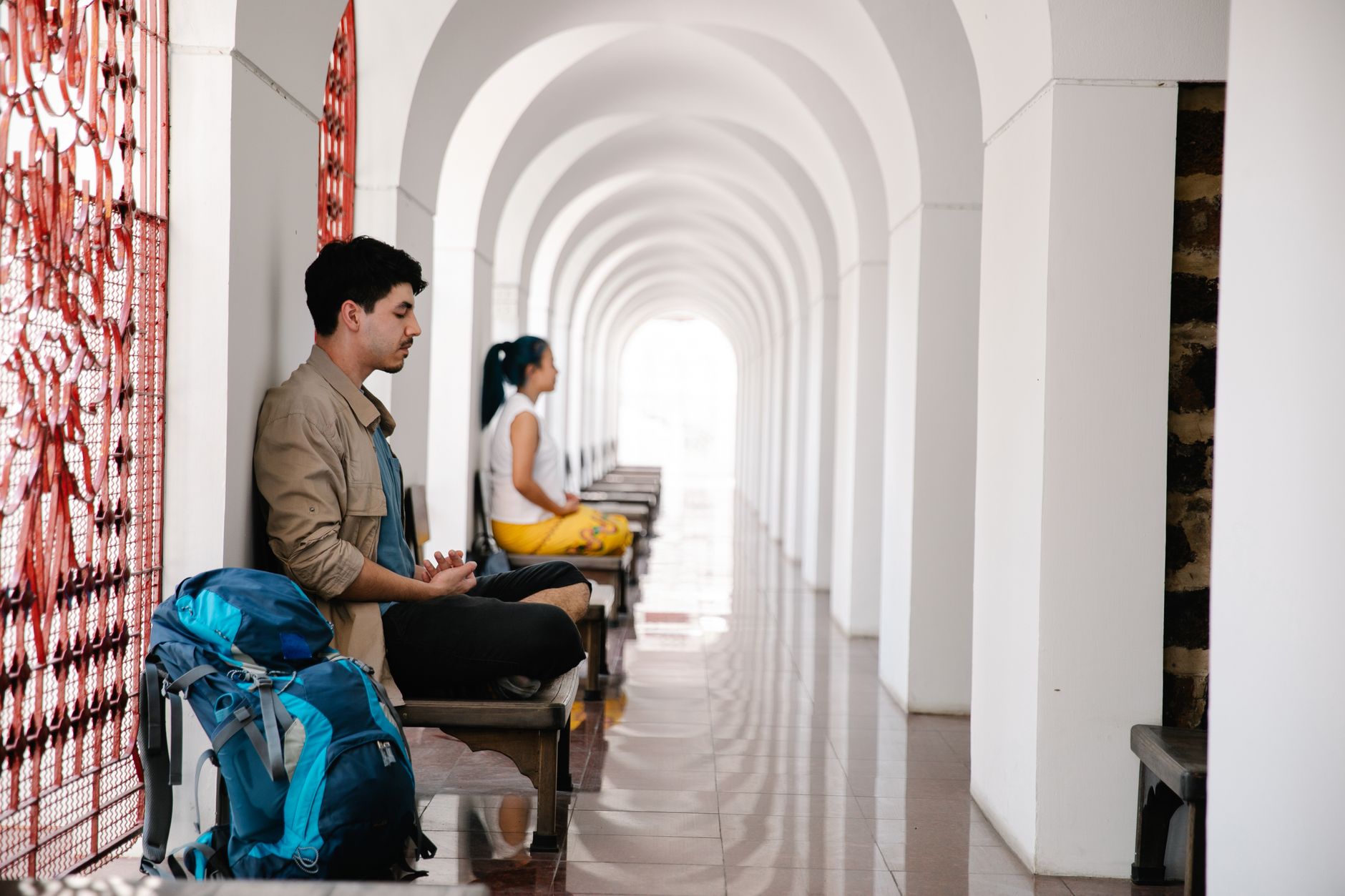
India’s relationship with the traveller has always been one of hospitality and testing. She welcomes you, then challenges you. She offers you chai, then asks you to sit with discomfort. This is not cruelty. It is teaching. The subcontinent has absorbed conquerors, mystics, merchants, and seekers for millennia, and she has learned to distinguish between those who come to take and those who come to learn.
The Experience
To travel consciously in India is to let your senses lead. It is the smell of cardamom rising from a clay cup in a railway station at dawn. The sound of a temple bell cutting through the honking of traffic. The feel of cool marble beneath bare feet at the Golden Temple in Amritsar, where volunteers serve free meals to eighty thousand people a day regardless of faith or fortune. Your nervous system recalibrates. The noise that once overwhelmed begins to feel like breath — in and out, chaotic but alive.
You learn to move slowly. Not because you have to, but because rushing feels like a kind of violence here. In the villages of Rajasthan, time is measured by the sun and the arrival of the goats. In the backwaters of Kerala, a houseboat drifts at the pace of a heartbeat. In the Himalayan foothills, the mountains remind you that your itinerary is a small and fragile thing.
Conscious travel in India also means choosing your rupees carefully. Staying in homestays run by local families. Eating where the grandmothers cook. Buying from artisans rather than airport shops. Hiring guides who grew up on the streets they are showing you. Each small decision becomes a vote for the kind of India you want to leave behind.
And then there is stillness. The kind you did not plan for. An afternoon in a courtyard in Udaipur when the heat presses down and all you can do is lie on a charpoy and listen to the pigeons. A morning in a Buddhist monastery in Ladakh when the monks chant and you find tears on your face for no reason you can name. These moments are not in the guidebooks. They are the real itinerary.
But here is the counter-intuitive truth: conscious travel in India is not always gentle. Sometimes it breaks you open in ways that feel less like healing and more like surgery. The poverty you witness on the streets of Kolkata. The child begging at the traffic light. The river that carries both flowers and refuse. Sitting with these contradictions — without rushing to resolve them — is part of the practice. India does not offer easy answers. She offers presence.
Who It’s For
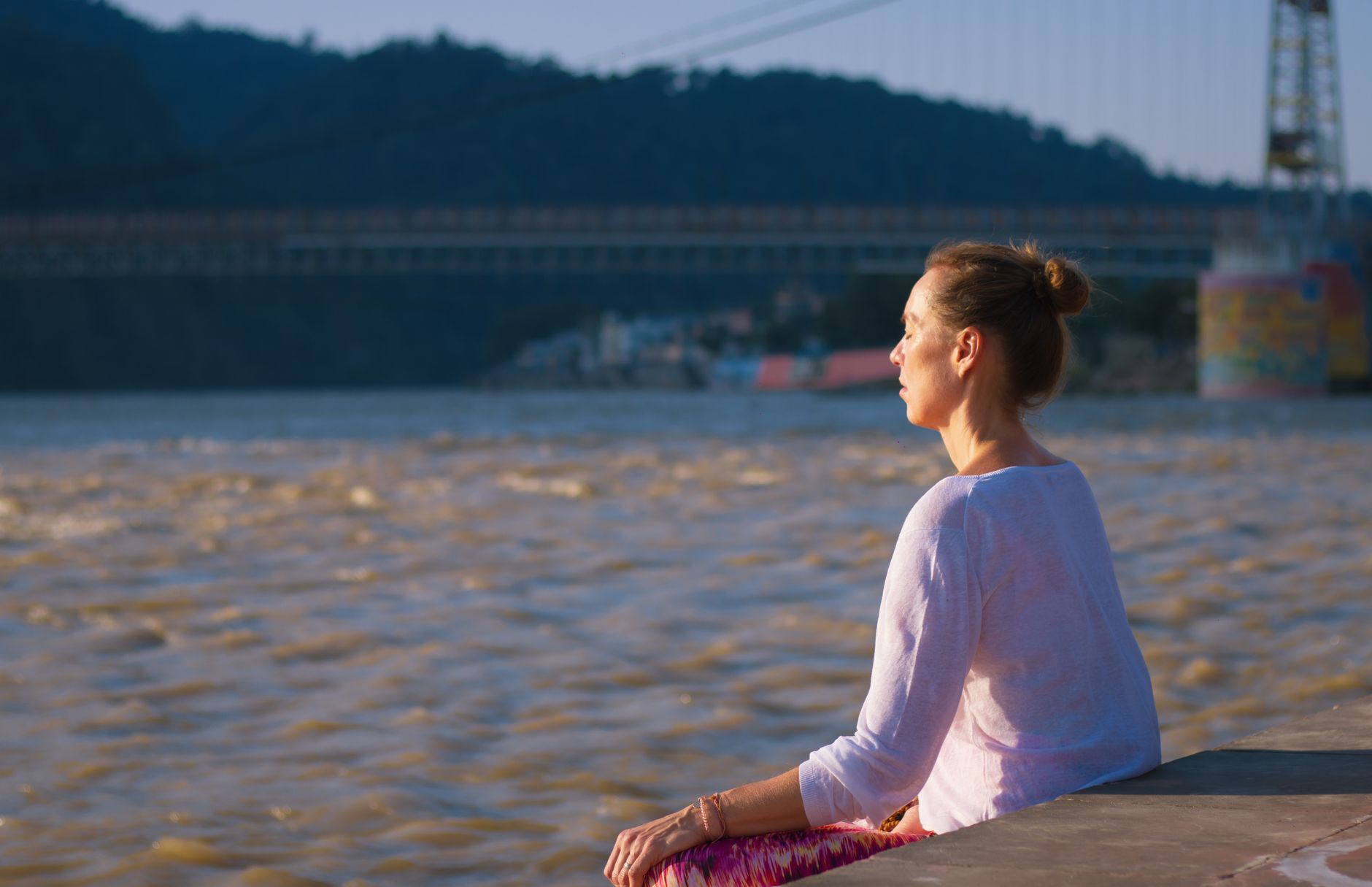
This way of travelling is for the person who has grown tired of collecting countries like stamps. For the one who wants to sit in a single place long enough to be recognised by the chai wallah. For the traveller willing to trade the comfort of air conditioning and familiar food for the unpredictable grace of a stranger’s hospitality. If you have ever felt that your holidays leave you more tired than your work, India’s slower paths may be your remedy.
It is for the seeker — not necessarily the religious one, but the one who suspects that something is missing from a life organised around efficiency. It is for the parent who wants to show their children that the world is wider and stranger and kinder than the news suggests. It is for the solo traveller who is ready to be alone without being lonely.
And it is for anyone willing to ask themselves, honestly: What am I actually looking for? If the answer is “a better version of myself,” India will meet you halfway. If the answer is “a good photograph,” she will let you pass through untouched.
Who It’s NOT For
Conscious travel in India is not for the traveller who needs everything to go according to plan. The trains run late. The roads disappear. The festival you came for is cancelled because of rain. If unpredictability makes you anxious rather than curious, this is not your path. India will not bend to your spreadsheet.
It is also not for the person who wants to “help” without listening. The impulse to fix, to save, to teach — these often do more harm than good. India does not need your pity. She needs your attention. If you arrive with the assumption that you know better, you will leave having learned nothing.
And it is not for the traveller who cannot sit with discomfort. The heat, the crowds, the smells, the stares — these are not obstacles to the experience. They are the experience. If you need a sanitised version of India, you are looking for a different country than the one that exists.
A Profound Insight
The deepest lesson India offers is this: you are not separate from what you witness. The beggar and the banker, the pilgrim and the tourist, the river and the ghat — all of it belongs to the same fabric. Conscious travel is not about doing good from a distance. It is about recognising that there is no distance. Every choice you make — where you sleep, what you eat, how you speak to the person serving your tea — is a thread in a larger weave.
Carry this home. Not as a souvenir, but as a practice. The way you move through India is the way you move through your own life. If you can learn to walk slowly here, among the chaos and the beauty, you can learn to walk slowly anywhere. And that, perhaps, is the real journey.
Here are the essentials to hold close:
- Choose homestays and local guides. Your money becomes a direct gift to the community rather than a dividend for a distant shareholder.
- Travel off-season and off-script. The monsoon and the quieter months offer intimacy that peak season cannot.
- Sit longer in fewer places. Three weeks in one region teaches more than three weeks across six.
- Ask before you photograph. A person is not a landscape. Consent is part of the practice.
- Learn a few words of the local language. “Dhanyavaad” opens more doors than any guidebook.
- Let the journey change the itinerary. The plan is a suggestion. The moment is the teacher.
India does not ask you to be perfect. She asks you to be present. To arrive with your questions and your uncertainties, your privilege and your grief, and to let the land hold all of it. The ghats will still be there at sunrise. The chai will still be sweet. The river will still carry what it carries. And you — if you let her — will be carried too, gently, toward something you did not know you were looking for.