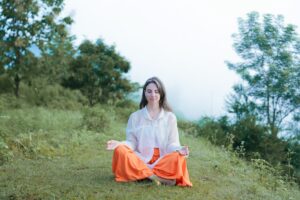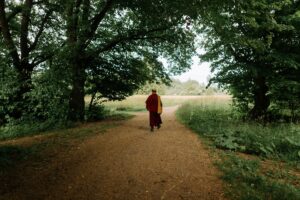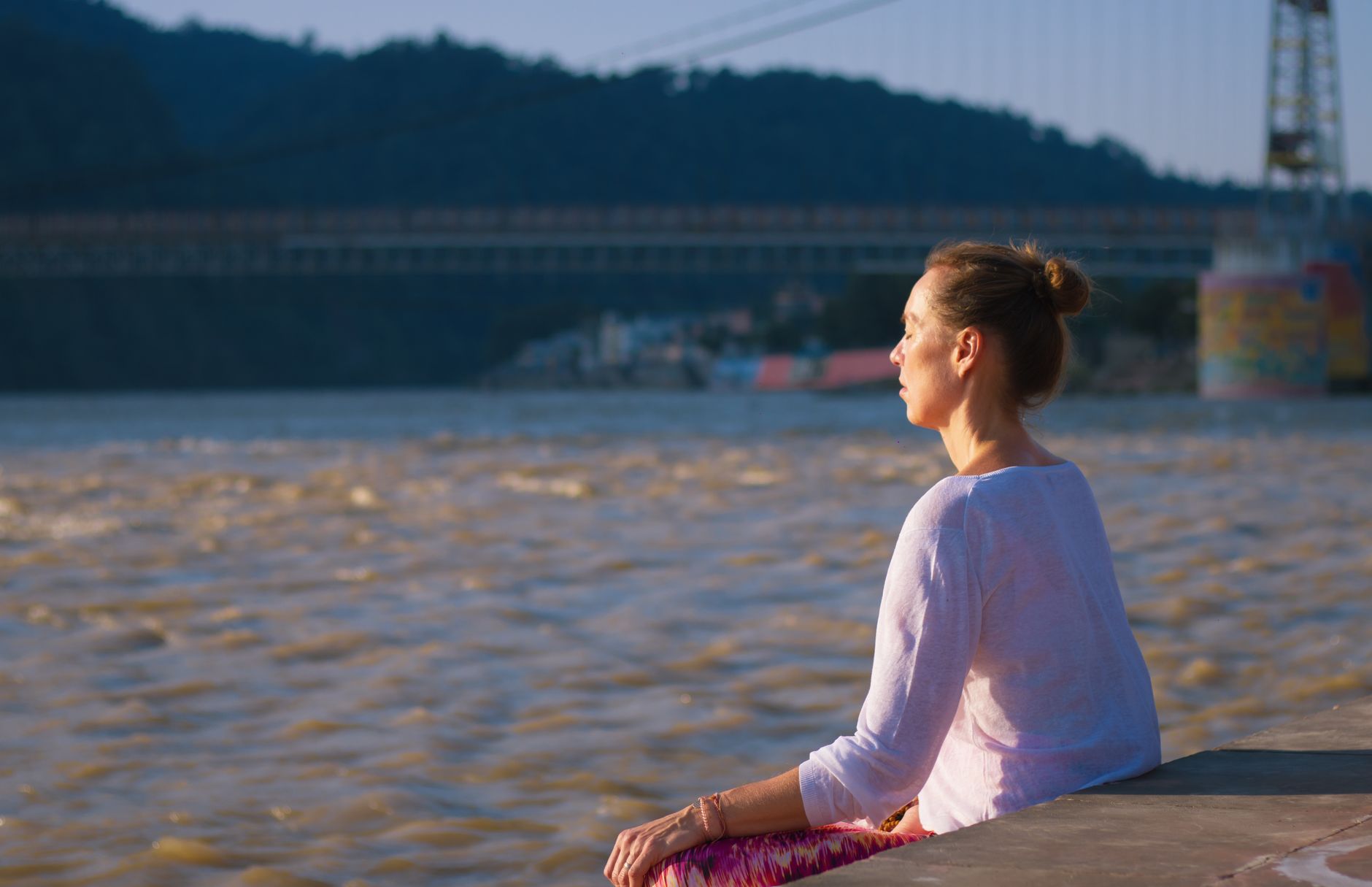
We leave home carrying a question we cannot quite name. The ticket is booked, the bag is packed, and still something tugs beneath the itinerary. Most of us call it wanderlust. The truer word is longing. I have watched pilgrims on the ghats at dawn and backpackers on night trains, and the same quiet hunger moves through both. Travel does not manufacture meaning. It clears the dust from the window so we can see what was always there.
The journey outward is only ever half the road; the other half is walked with eyes turned inward.
Historical Context
Pilgrimage is older than tourism by several thousand years. Long before the package holiday, the faithful walked. Hindus climbed to Kedarnath and bathed at the confluence of rivers. Buddhists circled the Bodhi tree where the Buddha woke. Medieval Christians crossed Europe on foot to reach Santiago de Compostela, and Japanese pilgrims still trace the eighty-eight temples of Shikoku in white robes and straw hats. The word pilgrim comes from the Latin peregrinus, a stranger, a foreigner. To be a pilgrim was to consent to being out of place.
What strikes me is how practical these journeys were. The medieval pilgrim walked to atone, to give thanks, to ask for healing. The route had inns, hospitals, and rituals at every stage. Meaning was not left to chance. It was built into the road itself. We have largely stripped travel of that scaffolding. We arrive faster, see more, and understand less. The old pilgrims understood something we have misplaced: the destination matters chiefly because of what the walking does to the walker.
The Experience
Picture the Camino de Santiago at first light. The air is cold and smells of wet stone and eucalyptus. Your boots are still damp from yesterday. Somewhere ahead a cowbell sounds, then fades. The path is not dramatic. It is a rutted track through oak and farmland, and it asks the same thing of you every hour: put one foot in front of the other.
Around the third day, something loosens. The mind, so accustomed to filling silence, begins to quiet. You notice the weight of your pack against your shoulders and the rhythm of your breath. A stranger passes and says buen camino, and the two words carry more warmth than a hundred polite greetings back home. By evening your legs ache and your thoughts have slowed to the pace of your walking. This is the gift the road gives: it returns you to your own body.
Travel of this kind is not comfortable. There are blisters and bad weather and the small humiliation of being lost. Yet the discomfort is the point. When the usual comforts fall away, attention sharpens. You taste the bread. You hear the river. For a few days you live at the speed of the world rather than the speed of your notifications.

Who It’s For
This way of travelling serves the person who suspects that another photo will not satisfy them. It suits the traveller willing to trade efficiency for attention, who can sit with an hour of nothing and find it full. It is for the one who wants to walk slowly through a place, learn a few words of the local tongue, and let a village teach them something a guidebook cannot. If you can pack light, rise early, and accept that the day may not go as planned, the road will meet you more than halfway.
It also serves those at a threshold. The end of a relationship, the close of a career, the quiet after a loss. A journey with a purpose gives shape to a season of uncertainty. You do not need to be religious. You only need to be willing to be changed.
Who It’s NOT For
Let me be honest. This is not for the traveller who needs a firm schedule and a guaranteed return on every hour. If your joy comes from fine dining, curated tours, and a pool at the end of the day, that is a good joy, and a long walk will not serve it. Nor is pilgrimage a cure for grief or a substitute for therapy. The road can hold your questions, but it cannot answer the ones that belong to a professional or a trusted friend. And if rest is what you need, a walk is not rest. Sometimes the most spiritual choice is to stay still.
A Profound Insight
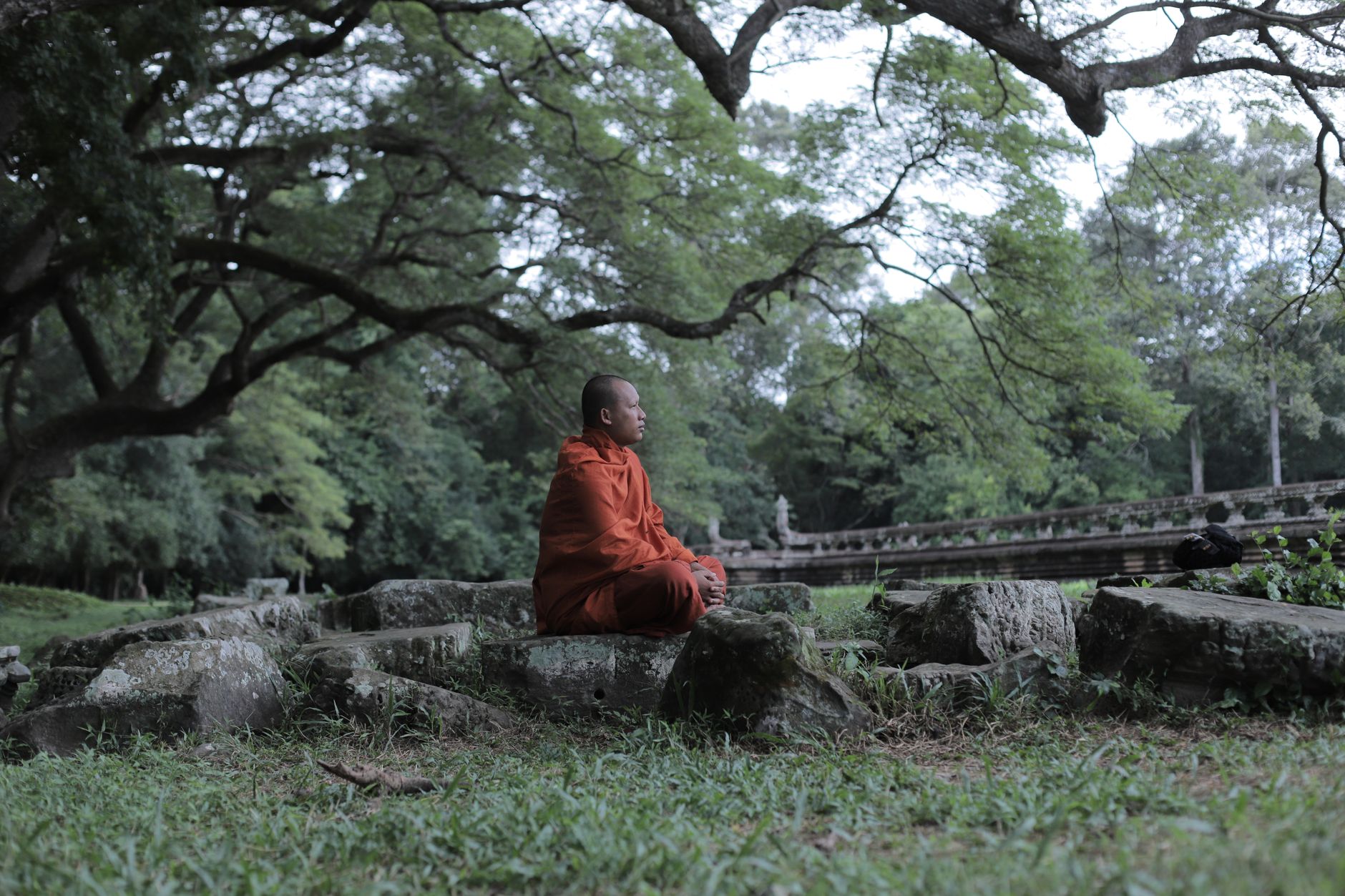
Here is the counter-intuitive truth I have carried home from every long walk: the search for meaning is not a search at all. It is a practice of attention. We imagine meaning waits at the destination, in the cathedral or the summit or the famous view. But it arrives in the unremarkable middle. In the shared meal with a stranger. In the moment you stop trying to capture the experience and simply have it.
The old pilgrims knew this. They did not walk to find God at the end of the road. They walked because the walking itself was the prayer. Meaning is not a thing you discover and keep. It is a way of moving through the world with your eyes open. Bring that home and every ordinary street becomes a little pilgrimage.
Before you go, sit with these intentions:
- Choose a route with a purpose, even a small one, and let the purpose shape the pace.
- Walk more slowly than feels efficient. The slowness is where the noticing lives.
- Leave room in each day for silence and for one unplanned conversation.
- Keep a simple journal of what you see, not what you achieve.
- Return with a practice, not just photographs, so the journey continues at home.
The road will end, as all roads do. You will unpack the bag, wash the dust from your boots, and slip back into the familiar rhythms. But something will have shifted. The question you carried out the door will have softened into a way of living. You will notice the light on the kitchen wall the way you noticed it on the trail. And you will understand, quietly, that you never needed to travel far to find what you were looking for. You only needed to learn how to see.