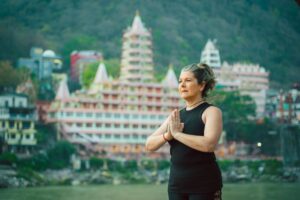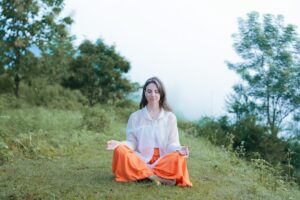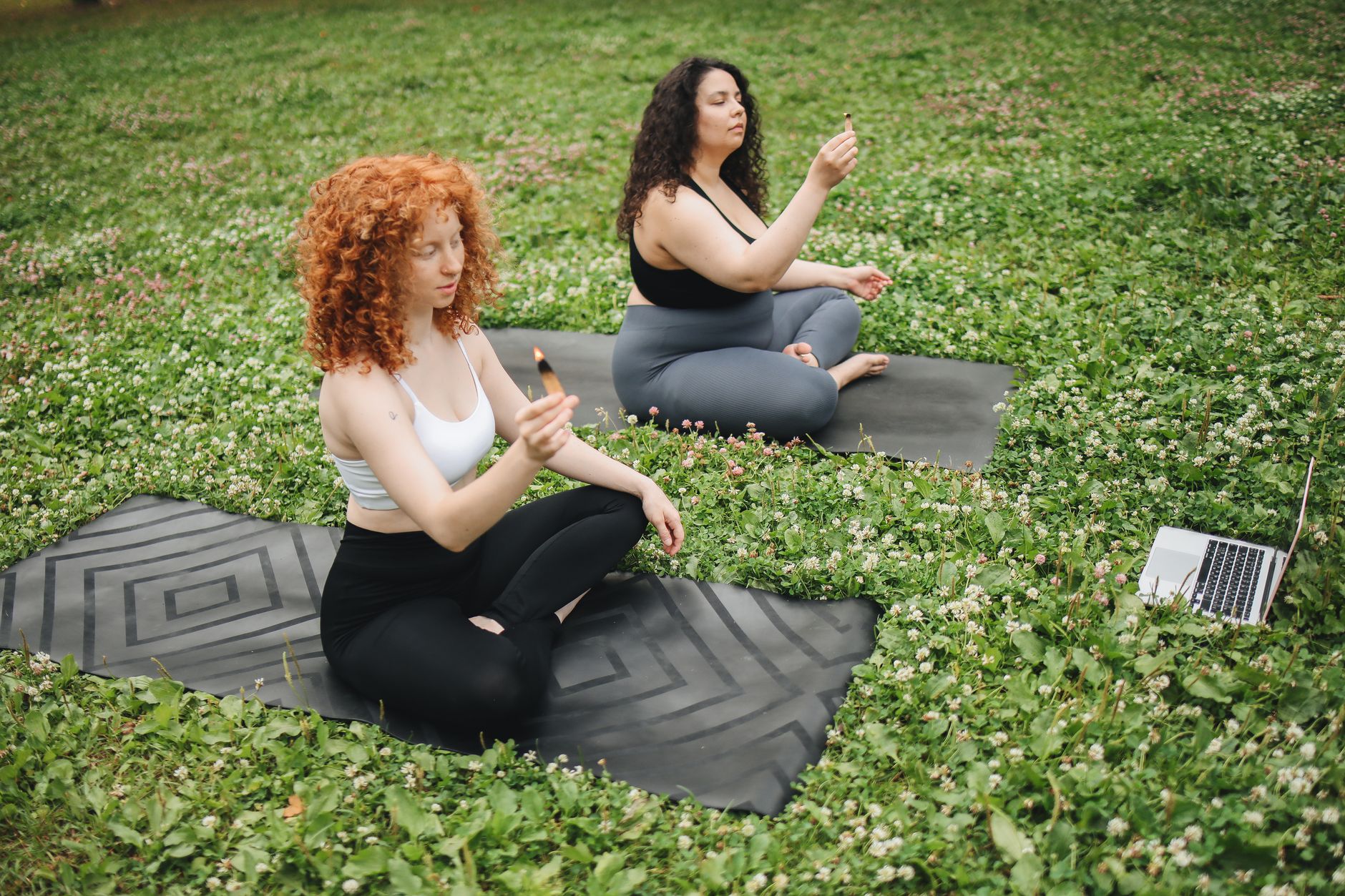
The train from Chennai to Puducherry has no dining car, no Wi-Fi, and for long stretches, no signal at all. I noticed this the way you notice a missing tooth — with a small, recurring jolt of alarm. My phone sat in my bag, dark and useless, while the rice paddies slid past the window in slow green sheets. Somewhere around the third hour, my thumb stopped twitching toward the bag. The silence arrived the way a guest does when you finally stop fluffing the cushions and simply open the door. That train ride was not a detox program. It was an accident. But it taught me what a deliberate one could do.
“The quieter you become, the more you are able to hear.” — Ram Dass
Historical Context
Digital detox travel borrows its shape from far older traditions. The Buddhist rains retreat, the vassa, has asked monks to stop wandering and stay put for three months each year for more than two thousand years. Pilgrims on the Camino de Santiago have walked for centuries with nothing but what fits on their backs. India’s ashram culture formalized retreat long before anyone thought to build a phone into a pocket. What is new is not the retreat. It is the reason for it. The ancients withdrew to sharpen attention on the sacred. We withdraw because the sacred — and the ordinary, and the boring, and the unprocessed — has been crowded out by a rectangle of glass.
The modern industry is young. Silent retreats in monasteries, off-grid cabins in Portugal, “digital sabbath” weekends in the Catskills — most of these have existed for less than a decade in their current form. Many borrow the vocabulary of monasticism without its structure. A few borrow the structure too, and those are the ones worth your time. The distinction matters. A hotel that removes the television from your room has not built a retreat. It has built a room with a hole in it.
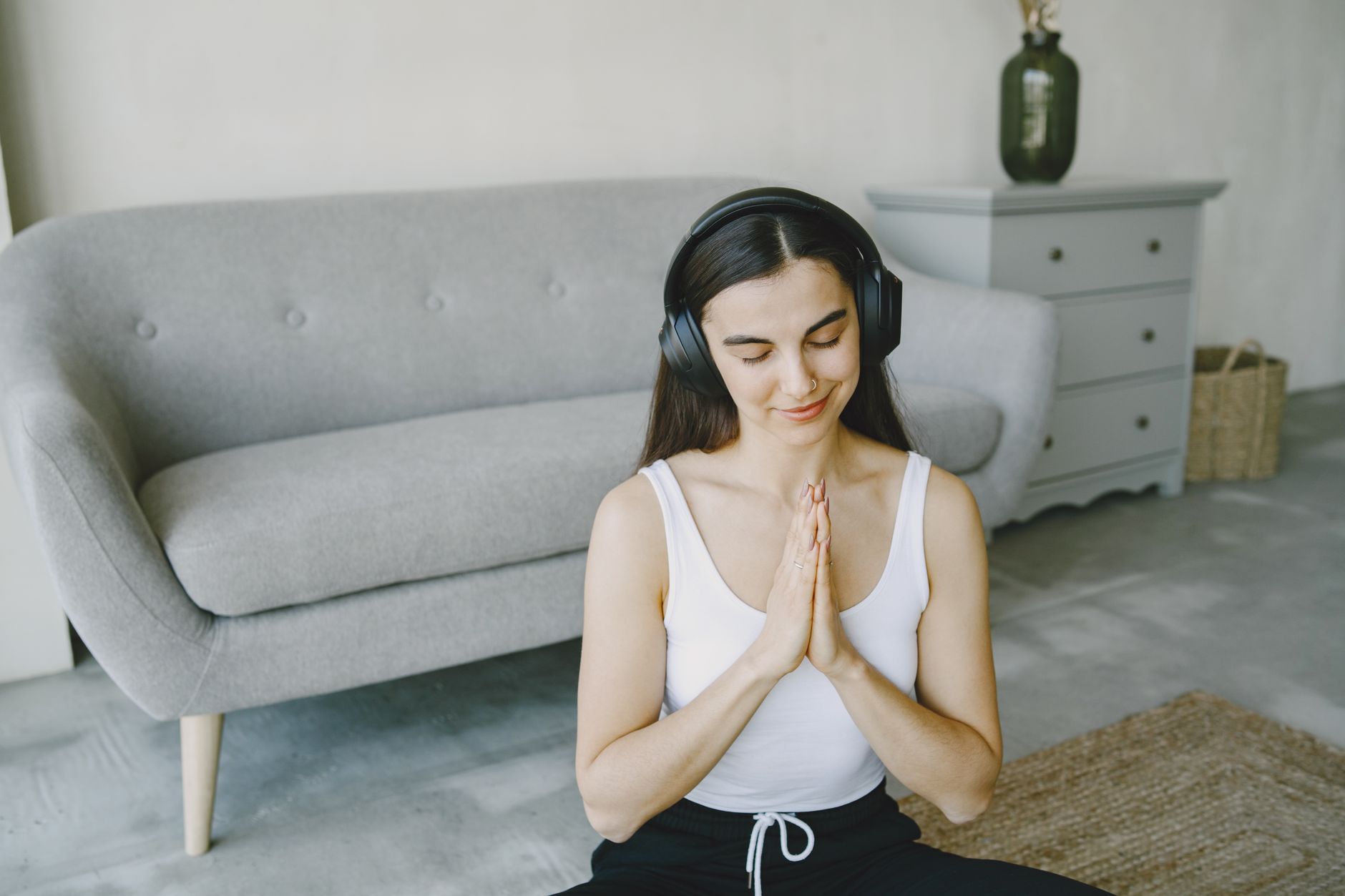
There is a deeper lineage here, too. The practice of mauna — deliberate silence — runs through Hindu and Jain traditions as a discipline of the tongue and, by extension, of the mind. Digital detox is a kind of mauna. You are not merely silencing a device. You are silencing the part of yourself that performs, that answers, that is always on call. The old teachers understood something we are only now relearning: attention is not a resource to be spent. It is a muscle to be trained.
The Experience
The first day is a small hell. Let me be honest about that. You will reach for a pocket that holds nothing. You will feel phantom vibrations against your thigh. You will notice, with some embarrassment, how often your hand drifts toward a bag that isn’t there because you left the phone locked in a box at reception. The withdrawal is real and it is not dignified. I have watched grown adults pace a garden at dusk like dogs who have lost a scent.
Then something shifts. Usually on the second morning. You wake without an alarm because the light comes through the window and the birds are already arguing. Breakfast tastes like breakfast — the dal is warm and slightly too salty and you notice both facts, because there is nothing else asking for your eyes. A walk becomes a walk. The mind, deprived of its usual feed, begins to feed on itself, and this is the point. The thoughts that surface are often not pleasant. They are the ones you have been outrunning with notifications.
By the third day, the texture of time changes. It thickens. An hour is no longer a slot to be filled but a room you can walk around in. You notice things: the specific quality of afternoon light on a plaster wall, the sound of a broom on stone, the way a stranger’s face softens when you actually look at them. These are not mystical experiences. They are ordinary ones, returned to you. The retreat did not give you anything new. It gave back what the phone had been quietly taking.
And the body knows. There is a particular looseness in the shoulders that arrives around day four, a slackening you did not know you were waiting for. The jaw unclenches. The breath drops lower. You begin to sleep the way children sleep — deeply, without negotiation. I have come to think of this as the true measure of a detox: not how many days you lasted, but whether your body finally believed you were safe.
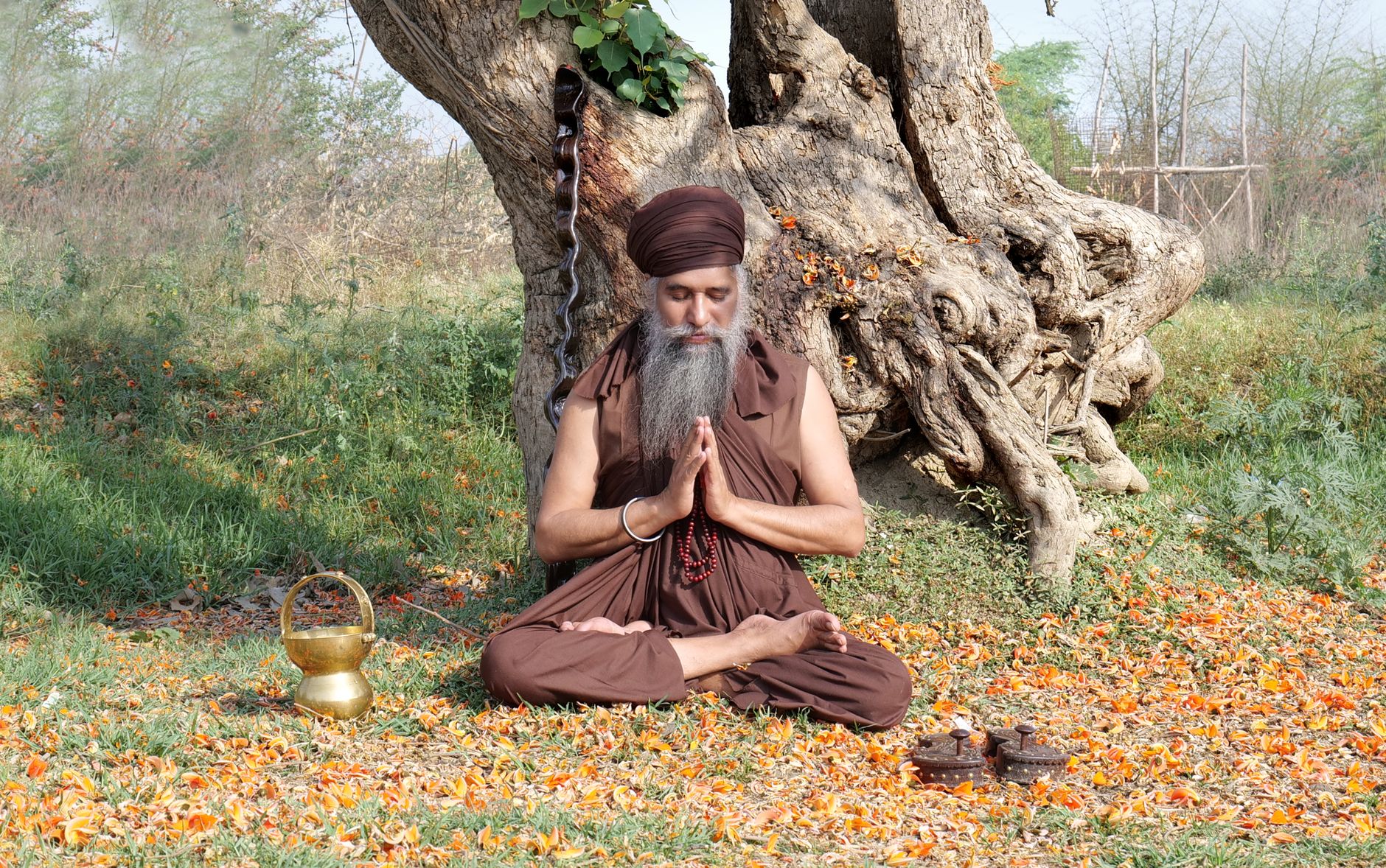
Who It’s For
This kind of travel serves the person who has noticed that their days are full and their life feels thin. The one who reaches for the phone before their eyes have fully opened. The one whose work follows them into the bathroom. If you have ever felt a small grief at the end of a holiday because you spent it photographing rather than seeing, this is for you.
It also serves a quieter traveller — the one who is not burned out but simply curious. Who suspects that something has been lost in the last fifteen years and wants to know what. You do not need to be in crisis to benefit from silence. You only need to be willing to be bored for a while. The bored ones often get the most. And consider this: the traveller who books a detox because they are exhausted is often the one who needs it least. The one who is merely curious has no crisis to perform, no recovery to report. They simply arrive, and stay, and leave a little more themselves.
Practically, look for retreats with structure. A daily rhythm — morning practice, silent meals, afternoon rest, evening sitting — does more for a restless mind than any amount of beautiful scenery. Ask whether phones are collected at arrival or merely discouraged. The difference is everything. Ask how many guests there are. Ask whether the teachers live on site. The answers will tell you whether you are booking a practice or a product.
Who It’s NOT For
I will be direct, because honesty serves you better than encouragement. This is not for the person in acute crisis. If you are in the middle of a mental health emergency, a silent retreat is not medicine. Silence can amplify what is already loud. Several contemplative traditions now screen applicants for exactly this reason, and you should respect the screening rather than find a way around it.
It is also not for the traveller who wants a holiday with a wellness garnish. If your ideal trip involves a pool, a cocktail, and a friend to talk to at dinner, a strict detox will feel like punishment, and you will resent the money you spent. There is no virtue in suffering through something you did not want. Choose a gentler version — a phone-free weekend, a cabin with a landline and a good book. That is not a compromise. It is discernment.
And it is not for the person who needs to be reachable. If you are a carer, a parent of young children, or on call for work that cannot wait, the guilt of disconnection will undo the benefits of the silence. Wait for a season when you can actually leave. The retreat will still be there. So, I promise, will you.
A Profound Insight
Here is the idea worth carrying home: the phone is not the problem. The phone is a symptom. What we are actually detoxing from is the belief that we must be available — to everyone, at all times, for everything. That belief did not arrive with the smartphone. It was already in us, waiting for a tool efficient enough to fulfill it. Remove the device for a week and the belief remains, tapping its foot. This is why so many people return from a silent retreat and are back on their screens within a day. They detoxed the object and left the craving untouched.
The counter-intuitive part: the goal is not to use your phone less. The goal is to become the kind of person who can be unreachable without guilt. That is a different project entirely, and it does not require a retreat in the hills. It requires a small, daily practice — a walk without the phone, a meal without the screen, an hour in which you are simply not available and do not apologize for it. The retreat is the laboratory. The life is the experiment. What you learn in the silence must be carried back into the noise, or it was only ever a holiday.
So before you book anything, sit for ten minutes and ask yourself honestly: am I going to escape my phone, or to practice being a person who does not need to escape it? The first is a week. The second is a life.
Key practices to carry home:
- Keep one screen-free hour each morning, before you speak to anyone.
- Leave the phone in another room during meals — all of them, not just dinner.
- Take one walk a day without a device, even if it is only around the block.
- Tell one person you trust what you are practicing, so the intention has a witness.
- Return to silence regularly — a day, a weekend, a longer retreat — before you feel you need it.
The train to Puducherry still runs. The paddies are still there, and the signal still drops out somewhere past the third hour. I go back sometimes, not for the destination but for that small stretch of nothing, where the world becomes quiet enough to hear. You do not need to cross an ocean to find it. You need to be willing to be unreachable for a while, and to discover that the world keeps turning without your reply. That is the whole teaching. Everything else is logistics. Go gently. The silence is already waiting.