The stone beneath my bare feet held the morning’s chill long after sunrise. Ninety-eight steps to a small shrine above Kyoto. That is where I learned what no guidebook mentions: a place enters you through the soles of your feet first. We speak of carrying places in the heart, yet the body arrives before the heart does. My teacher once said memory lives in the knees, in the small of the back, in the breath you took at the threshold. After twenty years of leading travellers, I believe her. The heart only keeps what the senses have already gathered.
You cannot carry a place you never truly stood in.
Historical Context
Holding a place within oneself is old — older than pilgrimage, older than maps. In the Buddhist tradition I practice within, the Pali word sati means remembrance and awareness at once. To remember is not to retrieve a photograph from a drawer. It is to return, whole, to what once happened. Medieval pilgrims walked to shrines carrying this understanding: the journey was the memory-making, and the return home was the remembering. They brought back shells, stones, water. Not souvenirs — anchors.
Consider the Japanese practice of ichigo ichie, this moment, this meeting, never again. Four centuries ago a warrior named Sen no Rikyū shaped it within the tea ceremony. Each gathering in the tea room was treated as unrepeatable. The host arranged flowers knowing they would wilt by evening. Guests bowed to an alcove that would never hold quite the same light again. Rikyū understood that impermanence is not a sad fact to endure. It is the very texture of attention.

And before any of this, the older instinct: people carried soil from home, seeds, river water in clay vessels. Exile traditions across the world preserve this. The heart, it seems, has always needed something small and physical to hold onto.
The Experience
What does it feel like, this carrying? Begin with the body. Stand where you are and notice the ground’s temperature. Recall a place you loved. Did a specific sensation return first — dust on your forearms, salt drying on your shoulders? This is the doorway. Memory is sensory before it is narrative.
On a cliff path in County Clare I once watched a woman press her palm flat against the wind-worn rock for a full minute. She was not praying, she told me later. She was listening. She wanted her hand to remember the grain of the stone, so that years later, in a city far inland, she could close her eyes and feel it again.
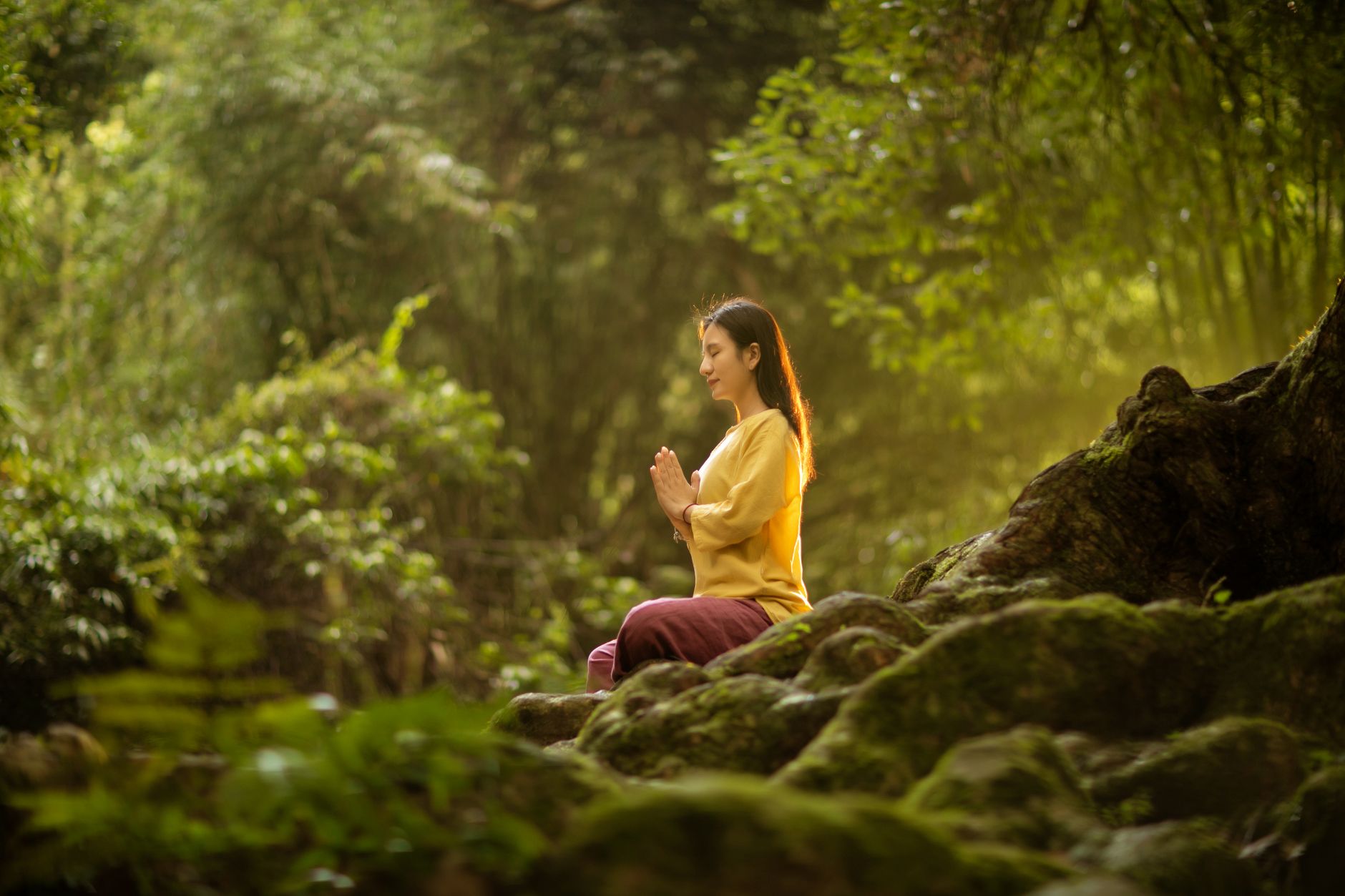
Try this on your next journey. Choose one place — not the famous one. The bench where you ate bread. The doorway where rain caught you. Sit there longer than feels reasonable. Breathe as though filling a vessel. Then leave without photographing it. The image in your chest will outlast any file on your phone.
There is a quiet grief in this practice, too. To carry a place is to accept you may never return, or that returning will find it changed. I have gone back to shrines that closed. Villages that grew hotels. The carrying does not preserve the place. It preserves your meeting with it, which is a different and more honest thing.
Who It’s For
This way of travelling suits the person who has grown tired of collecting destinations. The one who suspects that a hundred photographs of a sunset are worth less than one evening spent watching it without a camera. If you already keep a small stone on your windowsill from a beach whose name you can barely pronounce, you know this instinct.
It serves slow travellers. Those willing to spend an afternoon in a single square. People in transition — after loss, after a diagnosis, between chapters of a life — often find this practice natural, because they are already learning to hold what cannot be held. And it serves anyone who has returned from a trip feeling oddly empty, wondering why the beauty did not stay.
Who It’s NOT For
Let me be honest with you. This is not for the traveller who needs to see everything. If your itinerary holds twelve cities in ten days, this practice will frustrate you, and you will frustrate it. Carrying a place requires the willingness to miss other places entirely.
It is also not for someone seeking to capture, own, or master a destination. The heart is not a suitcase. You cannot pack a place into it by force of will, and any attempt to make a memory happen usually produces only a strained photograph and a vague disappointment. And I would gently say: if you are in acute grief, do not turn this into another task to complete. Let the place carry you instead. That, too, is allowed.
A Profound Insight
Here is the idea I would place in your hands. Carrying a place in your heart is not about storing it. It is about being changed by it and letting the change remain.
This is counter-intuitive: the best way to keep a place is to stop trying to keep it. Attention, not retention, is the vessel. When you stand fully present somewhere — unhurried, undistracted, unarmed with an agenda — the place does its own work. It writes itself into you. Your only task is to not interrupt.
My teacher put it plainly. She said the heart is not a warehouse but a riverbank. Things arrive, rest a moment, move on. What remains is the shape the water made. So the question is not how do you hold on. The question is: what shape is this place making in you, and will you let it finish?
Practically, this means a few small disciplines. They are simple, and they are not easy.
- Choose one place per journey to sit with for at least an hour, without a camera or a plan.
- Anchor the memory in a single physical sensation — temperature, texture, a scent — rather than a story.
- Leave something behind: a coin, a written line, a breath. Departure deserves a ritual.
- Return home slowly. Give yourself a day before the inbox; let the place settle.
- Revisit the memory in stillness, not nostalgia. Let it teach you something new each time.
That last point matters most. A place carried well keeps speaking. It corrects you. It reminds you how to walk slowly when your life has sped up again.
Conclusion
The shrine above Kyoto has long since closed to visitors. I will not climb those ninety-eight steps again. Yet on difficult mornings I still feel the stone under my feet, cool and certain, and something in me steadies. That is what it means to carry a place. Not to keep it frozen, but to let it keep working on you, quietly, for years. So before your next journey ends, find one unremarkable corner of the world. Stand there. Breathe. Let it enter. Then ask yourself, honestly: what will you let this place make of you?