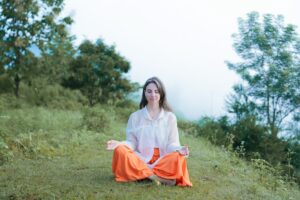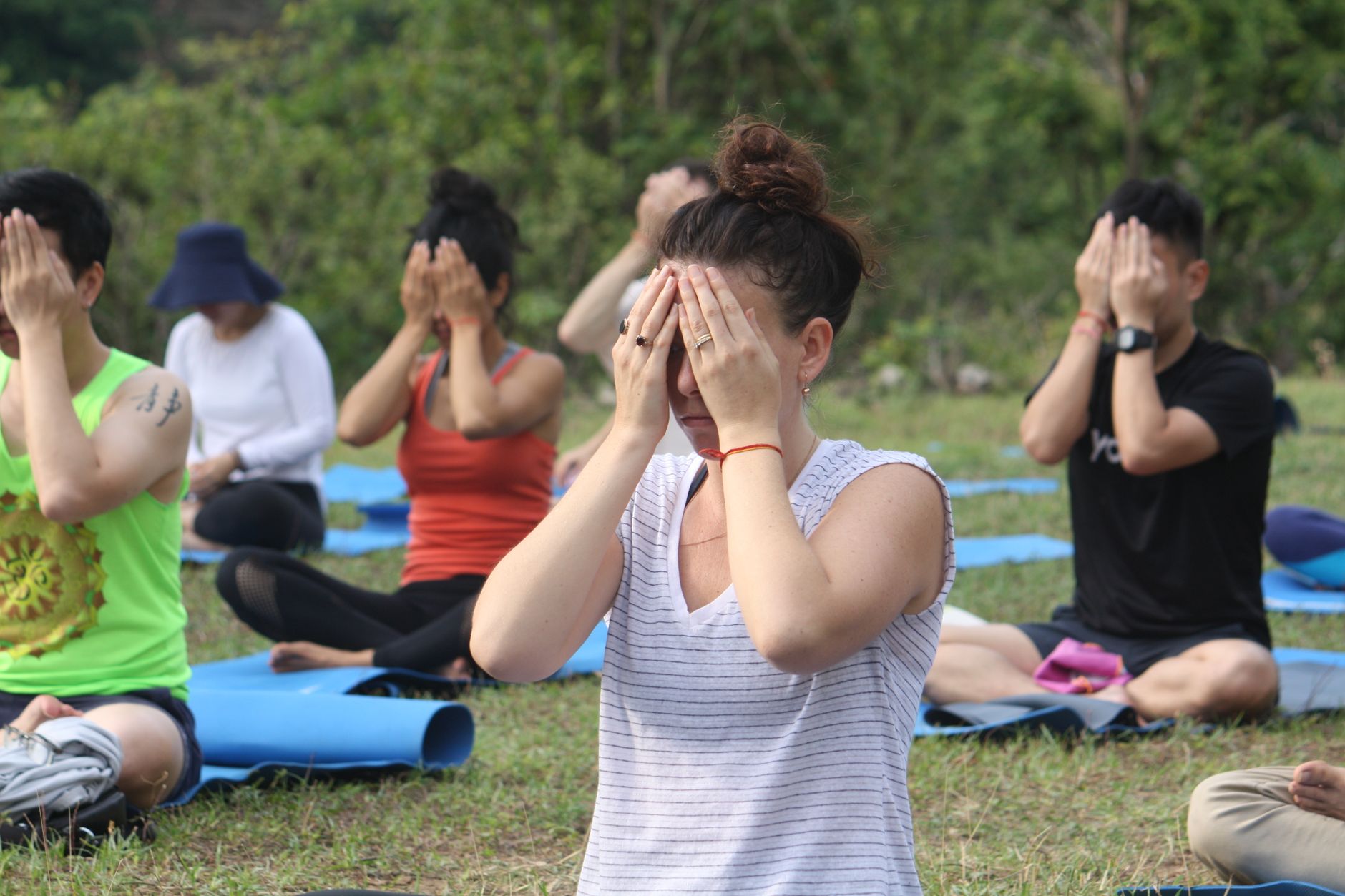
The gamelan is still playing when the rain arrives. It starts as a soft percussion on the alang-alang roof, then a steady wash that drowns out the metallophones and leaves only water and breath. I am sitting cross-legged on a woven mat in a pavilion open to the rice fields, and nobody moves. A woman beside me is crying quietly. The rain keeps falling. The priest keeps chanting. This is not a performance. It is a Tuesday morning in Ubud. Bali does not separate the sacred from the ordinary — the offering is made before the coffee is poured, the temple is beside the laundry line. If you come here to meditate, you will not find stillness in a vacuum. You will find it inside the noise.
“The island does not offer you peace. It offers you the conditions in which peace might find you.”
Historical Context
Bali’s spiritual landscape was shaped long before the first wellness brochure was printed. Hinduism arrived from Java and India around the first millennium, blending with indigenous animist traditions to create something the island calls Agama Hindu Dharma — a faith where the divine is present in mountains and the sea, in ancestors, in the banyan tree at the crossroads. Every compound has its family temple. Every village has three. The concept of Tri Hita Karana — three causes of wellbeing — governs the architecture of daily life: harmony with God, harmony with other people, harmony with nature. You will hear this phrase often, sometimes from a tour guide, sometimes from a farmer.
Meditation itself has deep roots here, though not in the form most visitors imagine. Balinese Hinduism is rich with ritual, with offerings and purification and the constant negotiation between the seen and unseen. Silent sitting is less central than in the Buddhist traditions of neighbouring Java or Thailand. The meditation retreat industry — the ashrams and healing centres clustered around Ubud — is a more recent arrival. It began in the 1970s when a trickle of seekers discovered the island’s unhurried rhythms, and it has grown into a global industry. What you find today is a marriage: the ancient Balinese capacity for ritual attention, joined with imported Vipassana techniques, yoga lineages from India, and the particular earnestness of Western self-improvement.

This history matters. It means the retreat you attend is not a pure tradition preserved in amber. It is a living conversation between what was here and what arrived. Some of it is profound. Some of it is commerce wearing a sarong. The island is generous enough to hold both.
The Experience
You wake before the sun. This is not optional — the retreat schedule assumes it, and by the third morning your body has stopped arguing. The air is thick with frangipani and the wet earth of the rice terraces. A single bell rings somewhere you cannot see. You walk to the meditation hall along a path of smooth stones, and the only sound is the soft percussion of your own feet and the distant, absurd crowing of a rooster who has not read the schedule.
Sitting is harder than you imagined. The first days are a negotiation with the body — the knee that complains, the back that slumps, the mind that runs through grocery lists and old arguments with remarkable energy. Then something loosens. Not dramatically. You notice one morning that the chatter has thinned, and in the space it left there is a sound: water moving through the subak irrigation channels that thread the rice fields. You had heard it before, but you had not listened.
Bali’s sensory world does not retreat during practice. The heat presses in. The incense from the morning offering drifts through the open pavilion. A gecko calls. The rain comes and goes and comes again. The tradition here does not ask you to block sensation out; it asks you to let it move through you like weather. By the fifth day, the distinction between “meditation” and “sitting in a hot room listening to water” has become pleasantly unclear.
There is a rhythm to the days that the island seems to teach. Morning practice, breakfast of tropical fruit and black rice, walking meditation through the terraces, rest during the fierce heat of midday, afternoon teaching, evening chant. You stop checking your phone — not because anyone confiscated it, but because the urgency drains out of it. The world outside continues. You begin to suspect it always did, and that you were never as necessary to it as you believed.
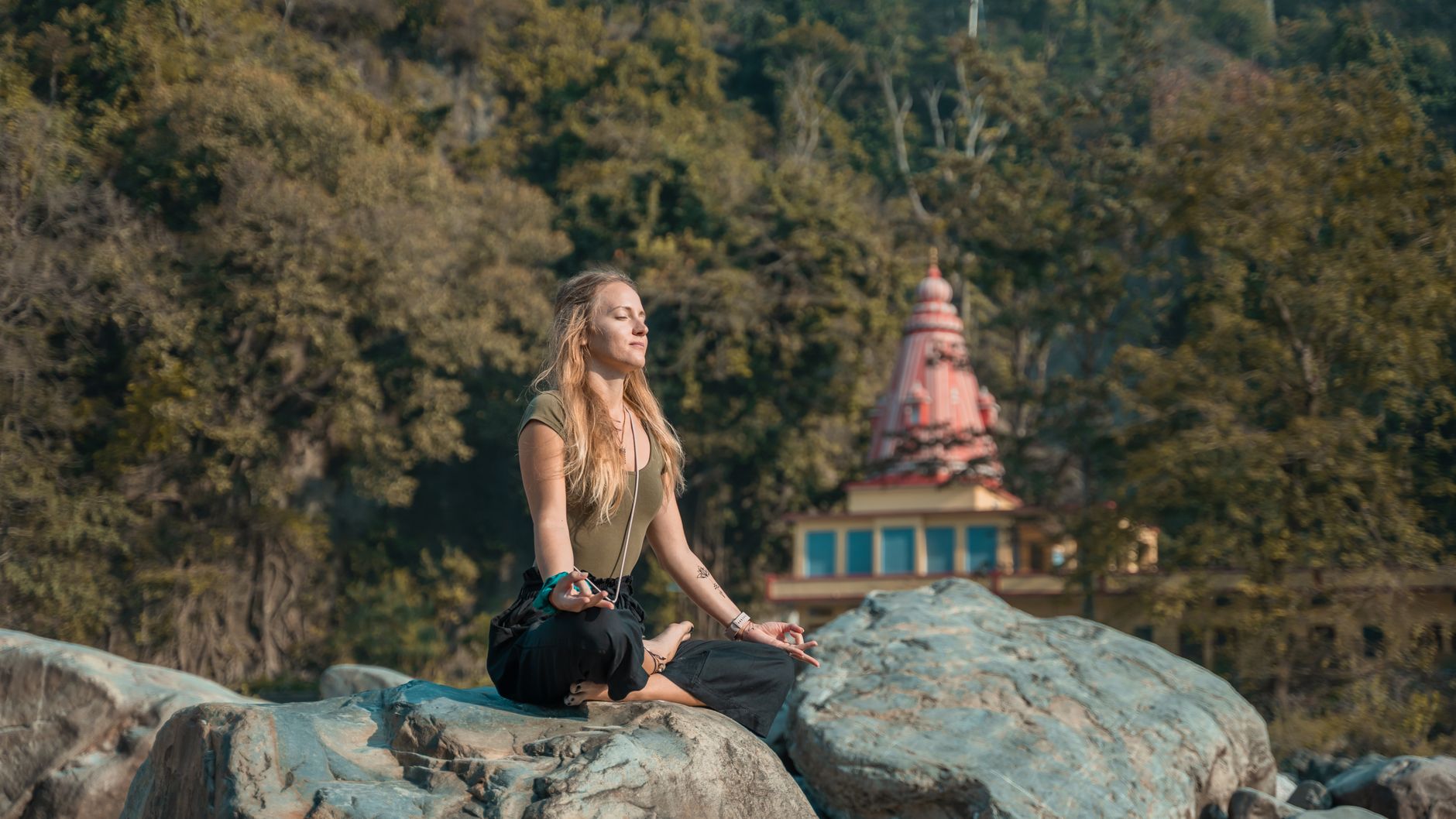
Who It’s For
This island serves a particular kind of traveller. You are probably carrying something — a grief, a decision, a life that has grown too loud. You are willing to be uncomfortable: hot, sweaty, occasionally bored, sometimes confronted by your own mind in ways that are not flattering. You want structure rather than luxury. You are curious about the culture beyond the retreat walls and willing to observe its customs with respect — to wear a sarong at the temple, to accept that the ceremony is not yours to perform.
Bali rewards the traveller who arrives without a fixed script. The retreat will give you a container, but the island will give you the lessons you did not sign up for. A conversation with a farmer. A ceremony you stumble upon. A rainstorm that lasts three hours and teaches you something about patience. If you come with an open schedule and a willingness to be a guest rather than a consumer, the place will work on you slowly and thoroughly.
It also suits those who want to integrate rather than escape. Bali is not a remote cave; it is a functioning society with traffic and temple festivals and a deeply social culture. You can sit in silence at dawn and eat dinner with strangers at night. For many, that balance is the point.
Who It’s NOT For
Let me be honest about the boundary. Bali is not the place for you if you need certainty, if you are looking for a quick fix, or if you want your spiritual experience delivered without friction. The island is a living culture, not a backdrop. You will be woken by a ceremony. You will be asked to dress modestly. The retreat centre may be beautiful, but the path to it may be a potholed road past a construction site.
It is also not for anyone seeking silence in the absolute sense — a monastery on a mountain where no motorbike will ever reach. The Balinese soundscape is constant: gamelan, chanting, the two-stroke engine, the rooster, the gecko. If you need total quiet to turn inward, look elsewhere. And if you are allergic to the commercial side of wellness — the smoothie bowls, the crystal shops, the retreat teachers who speak in a register of breathless affirmation — you will need to filter carefully. It exists. It is loud. The island holds that too.
- Choose a retreat with a clear daily structure — the rhythm of practice matters more than the aesthetics of the brochure.
- Arrive a few days early and stay a few days after. The integration matters as much as the immersion.
- Respect the culture you are entering: dress for the temple, accept that some ceremonies are not for visitors, and ask before you photograph.
- Do not chase the perfect experience. The rain will come. The knee will ache. That is the practice.
- Bring a journal, not a camera. The things worth keeping here rarely fit in a frame.
A Profound Insight
Here is an idea worth carrying home, and it is one that runs against the grain of how most of us approach wellbeing. Bali does not treat meditation as a tool for self-improvement. It treats attention as an offering. The small woven basket of flowers and rice placed on the ground each morning is not a transaction with a deity; it is an act of noticing. Someone made it by hand. Someone walked it to the shrine. Someone stopped. The offering is not the point. The stopping is.
We tend to think of practice as something we do to become better — calmer, more focused, more present. The Balinese model suggests something quieter and stranger: that attention is not a means to an end but a way of being in right relationship with the world. You do not meditate to fix yourself. You meditate because the rice field is there, and the water is moving, and the morning is passing, and you would like to be present for it. The improving happens on its own, or it does not, and either way the offering has been made.
This reframing is subtle but it changes everything about how you sit. It removes the pressure of the outcome. It makes the practice less about you and more about the world you are attending to. And it means that even a distracted, restless, aching hour of sitting is not a failure — it is a gift of attention, however imperfect.
When you return home, the offering can be anything. A pause before you unlock the door. A moment of stillness before you open your inbox. The habit of noticing what is already here, rather than what you are trying to become.
The rain has stopped now. The gamelan has started up again, a little out of tune, the way it should be. The woman beside me has stopped crying. She is looking at the rice fields, and the light is changing, and nobody is in a hurry. That is what I brought home: not a technique, not a belief, but a memory of what it feels like to be somewhere without needing to be anywhere else. Bali does not give you stillness. It asks you to notice the stillness that was always there, under the noise, waiting for you to stop long enough to hear it. The island will not do the work for you. It will simply hold the door open, and wait, with the patience of water on stone.