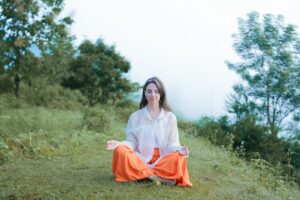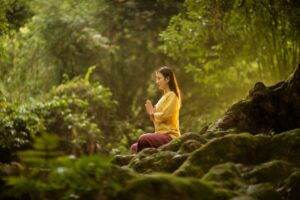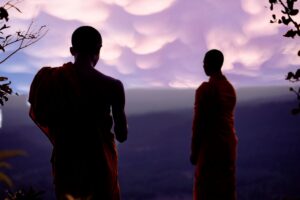
The first morning I truly understood slowness, I was sitting on a stone step in Varanasi, watching the Ganges carry yesterday’s marigolds downstream. No plan. No tour. No agenda pinned to my phone. Just a small clay cup of chai, still too hot to hold, and the sound of temple bells loosening the dark. That morning taught me something no itinerary ever could: travel does not begin when you arrive. It begins when you stop rushing toward the next thing. Slow mornings abroad are not lazy mornings. They are the practice of letting a place wake you up on its own terms.
“The morning is not a race to be won. It is a doorway to be entered.”
Historical Context
The ritual of the slow morning is older than any guidebook. In the ashrams of Rishikesh, the day has always begun before sunrise — not with alarm clocks, but with the low hum of mantra and the smell of sandalwood smoke curling through open windows. In the Japanese ryokan tradition, a morning unfolds across an hour or more: tea, a bath, a walk through a garden still wet with dew. The Ottoman kahvaltı, the long Turkish breakfast, was never designed as a quick meal. It was designed as a conversation between people and the day.
What these traditions share is a refusal to treat morning as transition. They treat it as destination. The modern travel industry, by contrast, sells mornings as logistics — the time you use to get somewhere more interesting. Slow mornings reclaim that stolen hour. They restore morning to its original status: a place worth staying.
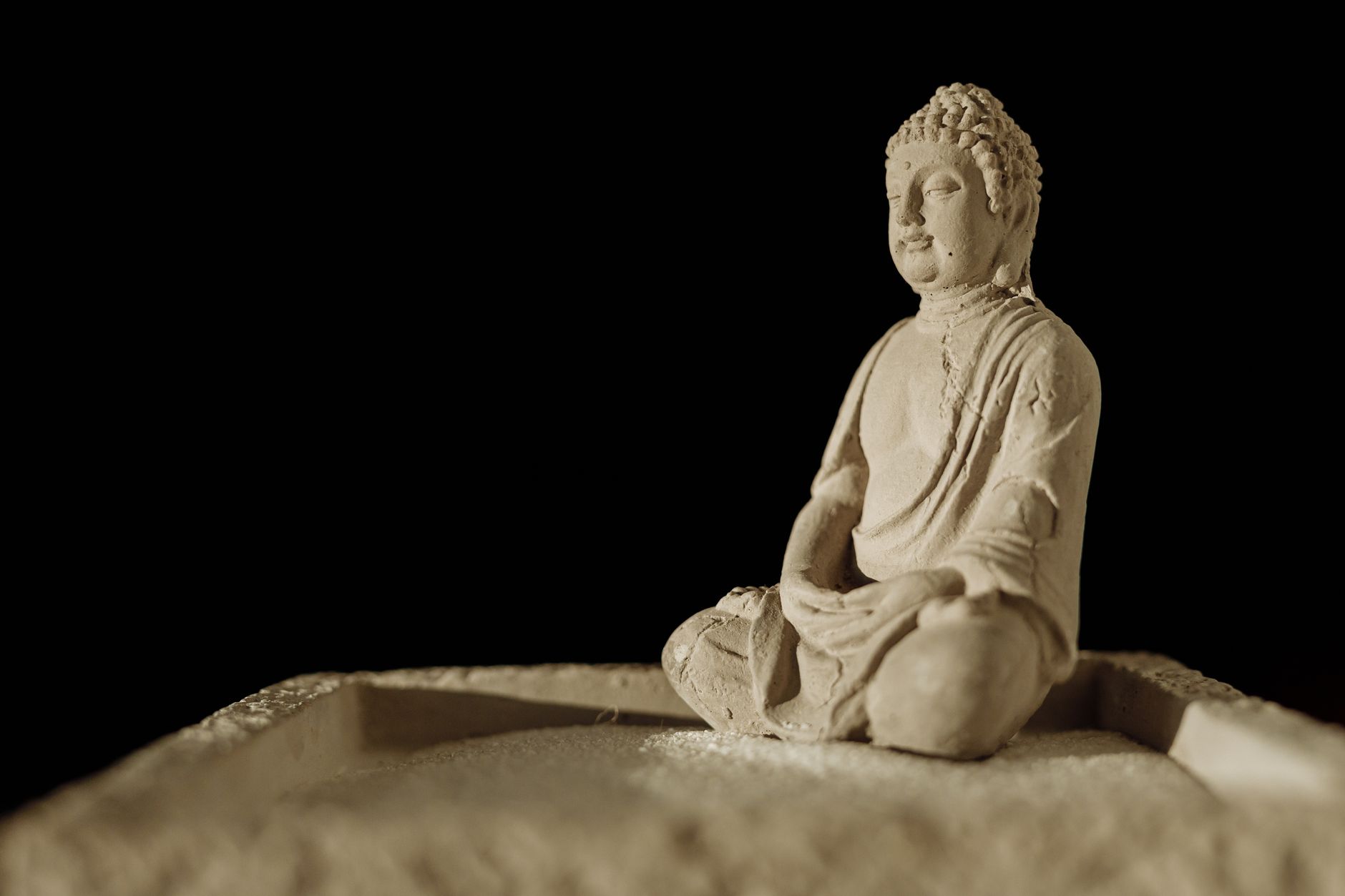
The Experience
There is a particular quality of light in a foreign city at 7 a.m. It falls differently. Softer. It has not yet been claimed by commerce or crowds. On a rooftop in Marrakech, I once watched this light move across the Atlas Mountains while a woman next to me poured mint tea from a height, the stream of it arcing like a small golden rope. Neither of us spoke. The tea was sweet enough to make my teeth ache, and I drank it anyway.
Slow mornings engage every sense, but quietly. The sound of a broom on stone in Lisbon. The smell of bread from a bakery that has no sign, only a line of neighbors who already know. The cool of a tile floor under bare feet in Kerala. The taste of coffee so strong it feels like an opinion. A slow morning asks nothing of you except presence. You do not need to photograph it. You do not need to understand it. You only need to let it happen.
And here is the counter-intuitive part: the less you do on a slow morning, the more you remember it. I have forgotten entire museums. I have never forgotten the woman in Marrakech who poured tea without looking at the cup.
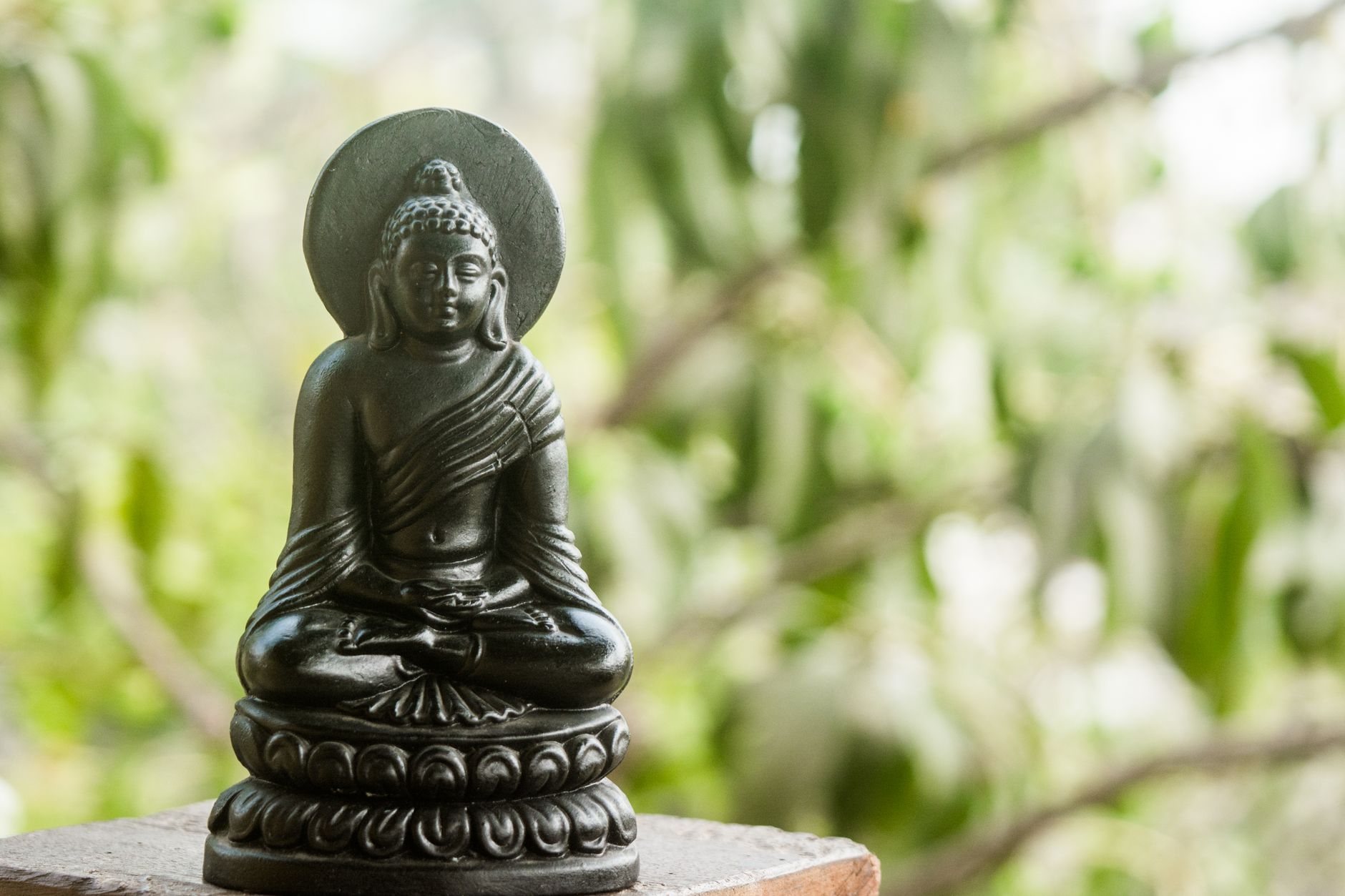
Who It’s For
This way of traveling serves the person who is tired of collecting places and ready to be changed by one. It suits the traveler who would rather sit in a single café for two hours than visit four landmarks in the same time. It is for the introvert, the journal-keeper, the one who packs a book and actually reads it. It is for anyone who has ever come home from a trip more exhausted than when they left and wondered why.
Slow mornings also serve a specific kind of traveler: the one in the middle of something. A transition. A grief. A question they cannot answer. A foreign morning, unhurried and indifferent to your timeline, can hold that weight without trying to fix it. You do not have to be on a spiritual quest to benefit from this. You only have to be willing to sit still long enough for the place to speak.
Ask yourself honestly: when was the last time you let a morning unfold without checking the time? If you cannot remember, this practice is probably for you.
Who It’s NOT For
I will be honest with you, because honesty is a form of respect. Slow mornings are not for the traveler with three days in a city and a list of twelve must-sees. They are not for the person who feels genuine joy in the efficiency of a packed schedule. They are not for families with small children who wake at dawn demanding adventure, or for anyone whose nervous system finds stillness more stressful than motion.
There is no virtue in slowness for its own sake. A slow morning that makes you anxious is not a mindful morning. It is just a morning you are failing at. If your body wants to move, move. The practice is not the pace. The practice is the honesty about what you actually need. Some people need a temple at sunrise. Some people need a train at 6 a.m. Both are valid. Know which one you are.
A Profound Insight
Here is the idea I carry home from every slow morning: attention is the rarest currency you own, and you spend it whether you choose to or not. A rushed morning spends it on logistics. A slow morning spends it on the world. The difference is not time. It is intention.
The deeper insight is this — you cannot be present in a place you are already leaving. Most travel is a series of departures disguised as arrivals. We arrive somewhere and immediately begin leaving it in our minds, planning the next stop, checking the map, calculating the walk back. A slow morning interrupts that. It asks you to arrive fully before you depart. And once you learn to do that abroad, you begin to notice how much of your ordinary life at home is also spent in transit between moments you never actually inhabited.
This is why slow mornings are not really about travel. They are about learning to be where you are. The foreign city is just a more vivid teacher than your own kitchen.
- Choose one morning per trip and protect it — no alarms, no plans, no itinerary.
- Find a local ritual: a bakery, a tea house, a temple, a market. Return to it twice.
- Leave your phone in the room for the first hour. You will survive. You may even thrive.
- Eat breakfast where the locals eat, slowly, and let it take longer than feels reasonable.
- Write one sentence in a notebook before the day begins. Not a plan. An observation.
You do not need to travel far to practice this. You need only to wake up somewhere unfamiliar — even your own city — and refuse to be efficient about it. The morning will meet you. It always does. It has been waiting, patiently, for you to stop rushing past it. So the next time you wake in a place that is not home, do not reach for your phone. Reach for the window. Open it. Listen. The day is not asking you to conquer it. It is asking you to begin. Slowly. On its terms. And in that unhurried beginning, you may find the whole point of going anywhere at all.