There is a room in northern Thailand where the loudest sound is the settling of dust. No music. No chatter. No phone buzzing against a wooden table. Just breath moving in and out of a body that has forgotten how to be still. I have sent students to places like this for years. Every time, they return with the same startled look — as if they had walked into a mirror and found someone they had been missing. Silence retreats-in-india-return-to-your-pulse/”>retreats are not vacations. They are pilgrimages inward, and they ask for everything you have been carrying.
“Silence is not the absence of sound, but the presence of everything you have been avoiding.”
Historical Context
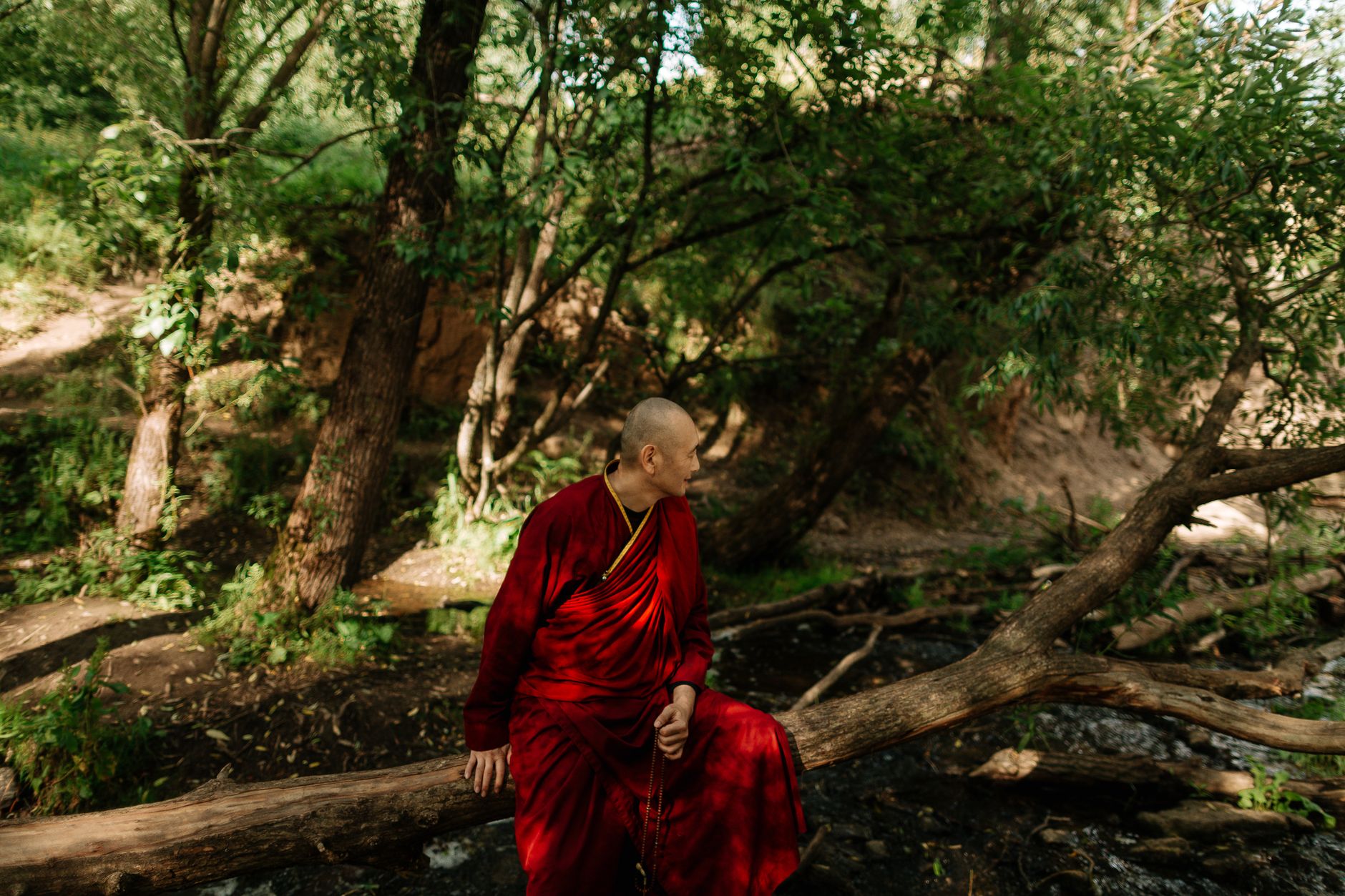
The practice of withdrawing into silence is older than any of us can trace. In the forests of India, the Buddha’s disciples gathered during the monsoon months for vassa, a three-month period of stillness and reflection. They did not travel. They did not teach. They sat. In the deserts of Egypt, the early Christian hermits — Antony, Pachomius, and the unnamed thousands — fled the noise of cities to listen for God in the wind. From that tradition came hesychia: a sacred quiet of the heart.
Japan refined the art through sesshin, a week of intensive sitting in Zen monasteries where speech drops to the barest minimum. Trappist monks took vows of silence lasting a lifetime, not a weekend. Then the modern era found new soil. In 1984, a Jesuit priest named Thomas Keating helped launch an intensive Centering Prayer retreat in Massachusetts that drew thousands. Buddhist centers in Burma, Thailand, and the West began offering ten-day silent courses open to anyone willing to sit.
What unites these disparate streams? A single conviction: that the human mind, stripped of distraction, begins to heal itself. The mystics did not invent silence. They simply stopped running from it.
The Experience
You arrive with a suitcase and a story. The story is about who you are, what you do, why you came. By the second day, the story starts to fray. You wake before dawn because there is nothing else to do. You walk to the meditation hall. You sit. Your knees ache. Your mind produces a film reel of every awkward conversation you have ever had. You sit through that, too.
The first meal is often silent. You chew slowly, because there is no one to perform for. You notice the texture of rice in a way you never have. The clink of a spoon against a bowl sounds like a temple bell. Outside, a bird calls. It is not background noise. It is the only sound in the world.
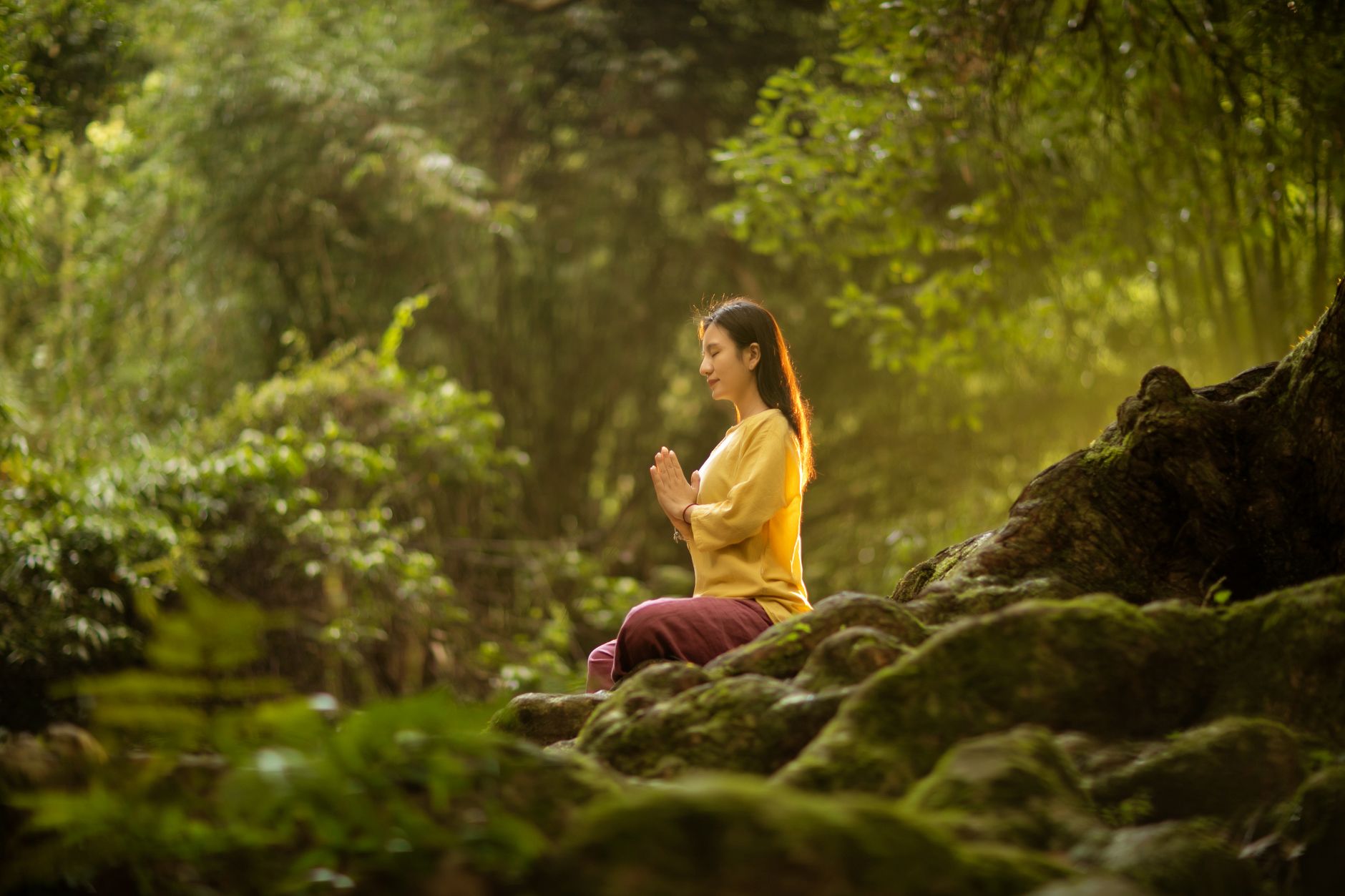
By the fourth day, something shifts. The chatter does not stop, but it loses its grip. You begin to hear thoughts as thoughts — not as truth. A memory rises, and you watch it pass like a cloud. A fear arrives, and you let it sit beside you without feeding it. Your breath becomes a companion, then a friend, then a home.
The silence is not empty. It is thick, almost physical. It presses against your skin in the afternoon heat. It settles into your bones at night. You begin to notice the small sounds you would have missed: the creak of a floorboard, the distant hum of a refrigerator, the soft exhale of the person sitting three cushions away. Silence is not the absence of noise. It is the presence of attention.
One evening, you step outside and look at the sky. There are more stars than you remember. You stand there for twenty minutes, not thinking, not planning, not worrying. You are simply there. In that moment, you understand why the monks kept returning to the desert.
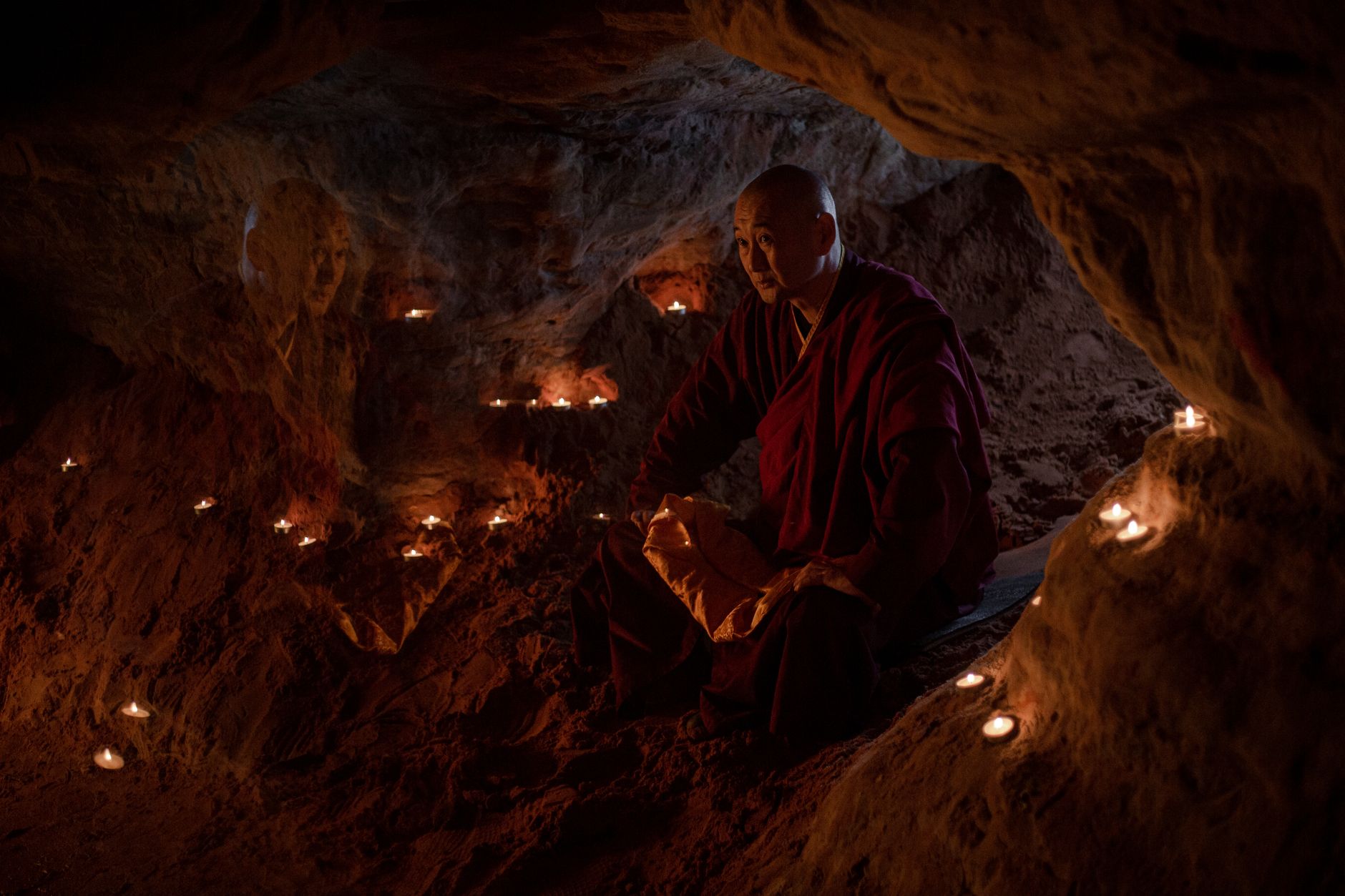
Who It’s For
This path is for the traveller who has grown tired of collecting places and is ready to be collected by something deeper. It suits the person who has tried every distraction — the retreats with wine tastings, the yoga festivals with DJs, the digital detoxes that last six hours — and found them wanting. It is for the seeker who suspects that the noise outside mirrors the noise within, and who is willing to sit still long enough to find out.
It is also for the exhausted. The caregiver who has poured everything into others. The professional who cannot remember the last time they had a thought that was not about work. The parent who loves their children fiercely but has lost the thread of their own inner life. Silence retreats do not require faith. They require only a willingness to show up and stay.
And they are for the sceptic, too. The one who rolls their eyes at the word “spiritual” but secretly wonders if there is more. The one who reads the science of meditation with one eyebrow raised. That person often benefits the most, because they bring a sharp, questioning mind into the quiet — and the quiet has a way of answering questions that logic cannot reach.
Who It’s NOT For
Honesty matters here. A silent retreat is not a cure for trauma. If you are in the middle of a mental health crisis — active depression, untreated PTSD, recent grief that still feels like a fresh wound — silence can be dangerous. The mind, left alone with its own pain, does not always heal. Sometimes it spirals. Reputable retreat centers screen for this, and you should screen yourself, too.
It is also not for the person who wants a vacation. If your idea of a good time is a beach chair and a margarita, you will be miserable. There is no entertainment. No socializing. No escape hatch. You cannot scroll your phone when the sitting gets hard. You cannot leave for a coffee shop when the silence feels suffocating. You stay, and you sit, and you meet yourself exactly where you are.
And it is not for the traveller who needs to be productive. Silence retreats are gloriously, almost offensively inefficient. You will not come home with a business plan. You will not solve the world’s problems. You will not even solve most of your own. You will simply sit, and breathe, and let the dust settle. For some people, that is the most wasteful thing they can imagine. For others, it is the only thing that has ever worked.
A Profound Insight
Here is the counter-intuitive truth that most people miss: silence does not make you quieter. It makes you more sensitive. After a week of no speech, the world returns with a sharpness you had forgotten. The sound of a loved one’s voice carries a texture you never noticed. A stranger’s smile lands in your chest like a stone in still water. You do not become a hermit. You become more human.
The insight is this: you cannot escape noise by going to a quiet place. You can only learn to meet noise differently. The retreat is not a permanent refuge. It is a training ground. You sit in silence so that you can walk back into the chaos of the world and still hear your own breath. You turn off your phone for ten days so that you can turn it back on without being owned by it. The goal is not to live in the monastery. The goal is to carry the monastery inside you.
One of my students, a lawyer from London, told me after her first retreat that she had expected to find peace. Instead, she found a spine. She had spent years bending to every demand, every email, every crisis. The silence gave her something firmer — a quiet certainty that she could say no without guilt, rest without apology, and listen without needing to reply. That is what silence offers. Not bliss. Backbone.
- Start small. A weekend silent retreat is enough to taste the practice. Ten days is the traditional threshold for real depth.
- Choose a reputable center. Look for teachers with decades of experience and clear screening for mental health history.
- Prepare your body. Bring loose clothing, a meditation cushion if you have one, and a willingness to sit with discomfort.
- Leave your phone behind. Not in your room. Not in the car. At home. The silence needs to be unbroken to do its work.
- Expect boredom, then breakthrough. The first three days are the hardest. Stay past them.
You do not need to travel to Thailand or the Egyptian desert. You do not need a monastery or a teacher with a foreign name. You need a room, a cushion, and the courage to stop running. The silence is already here. It has been waiting for you. The question is not whether you can find it, but whether you are willing to let it find you. When you are ready, sit down. Close your eyes. Listen. That is the whole retreat. That is the whole journey. And it begins the moment you stop trying to fill the space.