The smoke reaches me before the drum does. Cedar and sweetgrass curl through the dark of a temazcal in the highlands of Oaxaca, where the stones have been heating for hours and the doorway is about to close. I am on my knees on bare earth, forty-two years old, and quietly afraid. The woman beside me, a curandera who has guided this sweat lodge for three decades, takes my hand without a word. This is not a spa treatment. That much is already clear. What follows is heat, song, silence, and a reckoning with how little I know about my own body.
“The medicine was never lost. We simply stopped listening.”
Historical Context
The temazcal is older than the languages spoken around it. In Nahuatl the word carries the sense of a house of heat, a womb of stones, and archaeological traces of similar sweat structures appear across Mesoamerica long before the Aztec empire rose. Midwives used them to prepare a body for birth. Healers used them to prepare a body for grief. The Spanish arrived, saw a ritual they could not categorize, and did what empires do. They banned it, burned what they could not ban, and pushed the practice into villages and mountain towns where it survived quietly for centuries.
That survival is the story. Indigenous wellness traditions are not relics preserved in amber. They are living systems, tended by specific families and communities, passed through apprenticeship rather than textbook. The curandera in Oaxaca learned from her grandmother, who learned from hers. The lineage matters more than the technique. When travellers arrive expecting a “spiritual experience,” they step into someone’s inheritance.
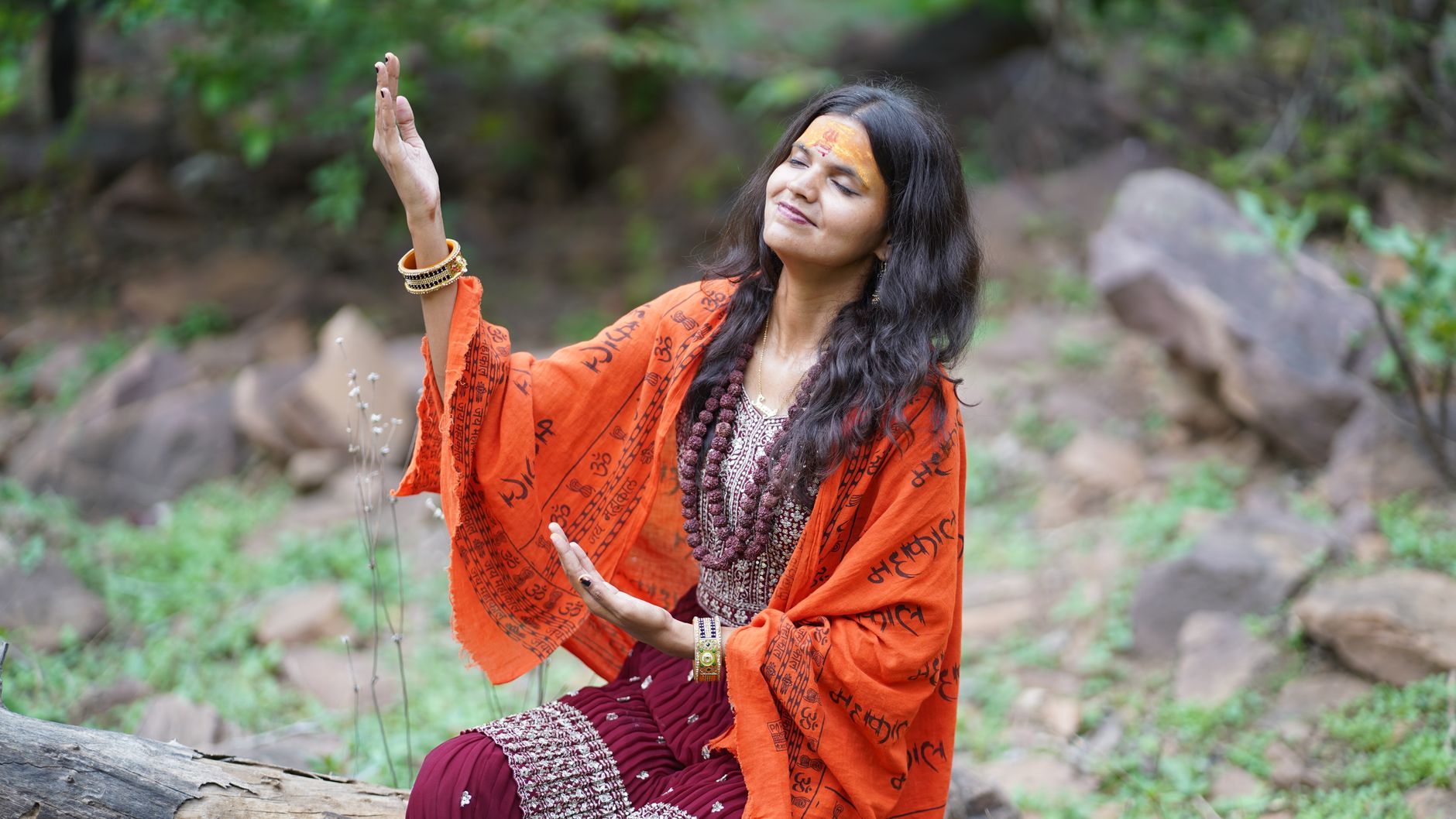
This is where many wellness journeys go wrong. A retreat brochure flattens a thousand years of ceremony into an amenity. The truth is more demanding: these traditions come with protocols, taboos, and boundaries that were never designed for outsiders. Understanding that history is not optional context. It is the price of admission.
The Experience
Inside the temazcal, the first thing that strikes me is the sound of my own breathing. The heat presses close, and the body responds with a kind of surrender it rarely offers elsewhere. Water hits the hot stones. Steam rises. The curandera sings in a language I do not speak, and somehow the melody lands in my chest anyway. I sweat through my clothes. I sweat through my ideas about myself.
There is a rhythm to it. Four rounds, four directions, four elements, each door opened to the cool night before the next round begins. Between them, silence. Not the polite silence of a meditation app, but the dense, animal silence of a room full of people who have all agreed to stop performing. Somewhere in the third round, I start crying and cannot immediately say why. Nobody rushes to comfort me. That restraint, I later understand, is part of the medicine.
The sensory memory that stays with me is the earth. My palms flat on the ground, grit under my fingernails, the smell of wet clay rising with the steam. I have been in countless wellness spaces with polished floors and curated soundscapes. This was the first where the ground itself felt like a participant.
Other traditions offer their own textures. In Andean communities, a despacho ceremony builds a bundle of offerings, leaf by leaf, sweet by sweet, each item placed with intention and spoken aloud. In Aotearoa, a pōwhiri welcome asks you to stand, to be seen, to move through a formal threshold before you are received. In northern Australia, some Aboriginal-led cultural experiences walk you through country with a guide whose knowledge is not general but specific: this plant, this season, this story that belongs to this place and no other.
What these share is slowness. Nothing is optimized. No one checks a watch. The experience takes the time it takes, and your schedule is not the authority.

Who It’s For
This path serves the traveller willing to be a guest. That sounds simple. It is not. Being a guest means accepting that the ceremony is not about you, that you may not understand what is happening, and that understanding is not the point. It suits people who have done some inner work already and know the difference between discomfort that teaches and discomfort that harms.
It also suits the traveller who prefers a real question to a ready answer. Can you sit with ambiguity, hold your own discomfort without making it someone else’s emergency? If so, these traditions have something to offer that no resort can replicate.
Practically, it helps to arrive with a body that can handle heat, altitude, or long sitting, and a mind willing to follow instructions from elders rather than reviews. Come with curiosity and a willingness to pay fairly for the time and knowledge of guides. Come with the humility to ask permission before photographing, recording, or sharing anything you witness.
Who It’s NOT For
If you are looking for a guaranteed transformation, look elsewhere. Ceremony is not a transaction, and the guides are not performers. If you need a schedule, a menu of options, or constant explanation, the pace will frustrate you. If you are treating a serious medical condition, a temazcal is not a substitute for a doctor, and any guide who tells you otherwise should be thanked and left.
There is also a harder boundary. If you cannot accept that some knowledge is not yours to take home, that some songs, plants, and stories belong to a community and should stay with them, then this is not your path. Extraction in wellness clothing is still extraction. The traditions will survive your absence. They may not survive your entitlement. Ask yourself honestly: are you arriving to receive, or to collect?
A Profound Insight
Here is the counter-intuitive thing I carried home. The most healing moment of the entire journey was not the ceremony itself but the refusal that came after it. I asked the curandera, through a translator, whether she could teach me the songs. She said no. Gently, but without apology. The songs belong to the lineage, and the lineage is not mine to inherit.
I expected to feel rejected. Instead I felt something closer to relief. For years I had absorbed the unspoken logic of wellness culture: everything is available, everything can be learned, everything is one purchase away. Her refusal broke that logic open. Some things are not for sale. Some doors close, and the closing is the teaching.
This is the insight I now carry into every journey: the boundary is part of the medicine. A tradition that gives everything to everyone has already stopped being a tradition. The edges are what keep it alive. Respecting those edges is not a limitation on your experience. It is the experience, at its most honest.
I think often of that moment now. I think of the smoke, the songs I will never know, the woman who held my hand and then held the line. What remains is not a memory of acquisition but of witness. I was allowed to be present. That was enough. That was, in fact, everything.
- Seek out experiences led by the communities themselves, not intermediaries who market their culture.
- Ask permission before recording, photographing, or later sharing any part of a ceremony.
- Accept that some knowledge is not yours to learn, and let the refusal be part of the teaching.
- Pay guides fairly and directly, and choose experiences that keep value inside the community.
- Prepare the body and the mind: heat, altitude, and silence are real demands, not obstacles to manage.
Travel with intention, and leave room for the things you will not be given. That empty space is where the real work begins.