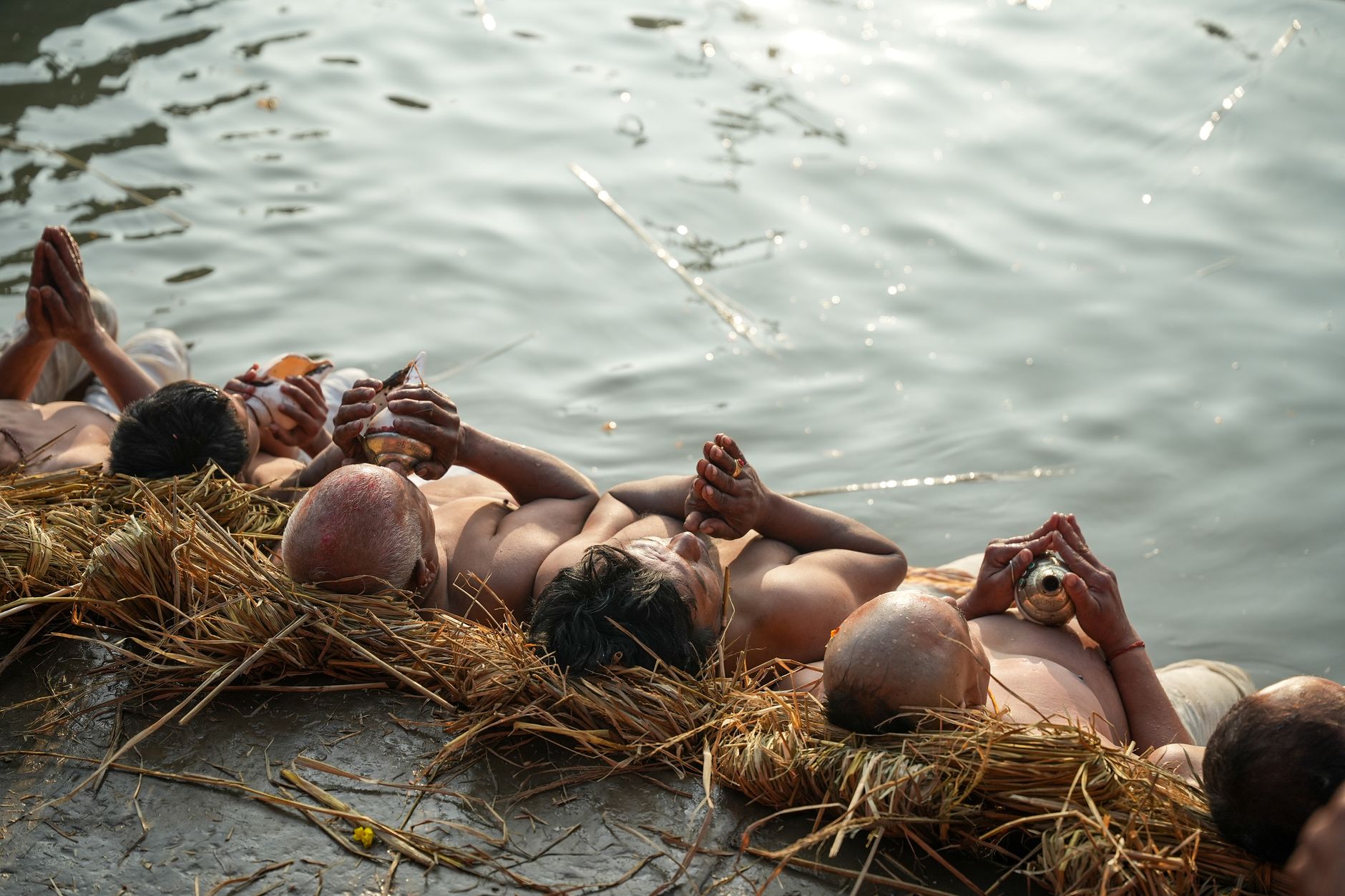
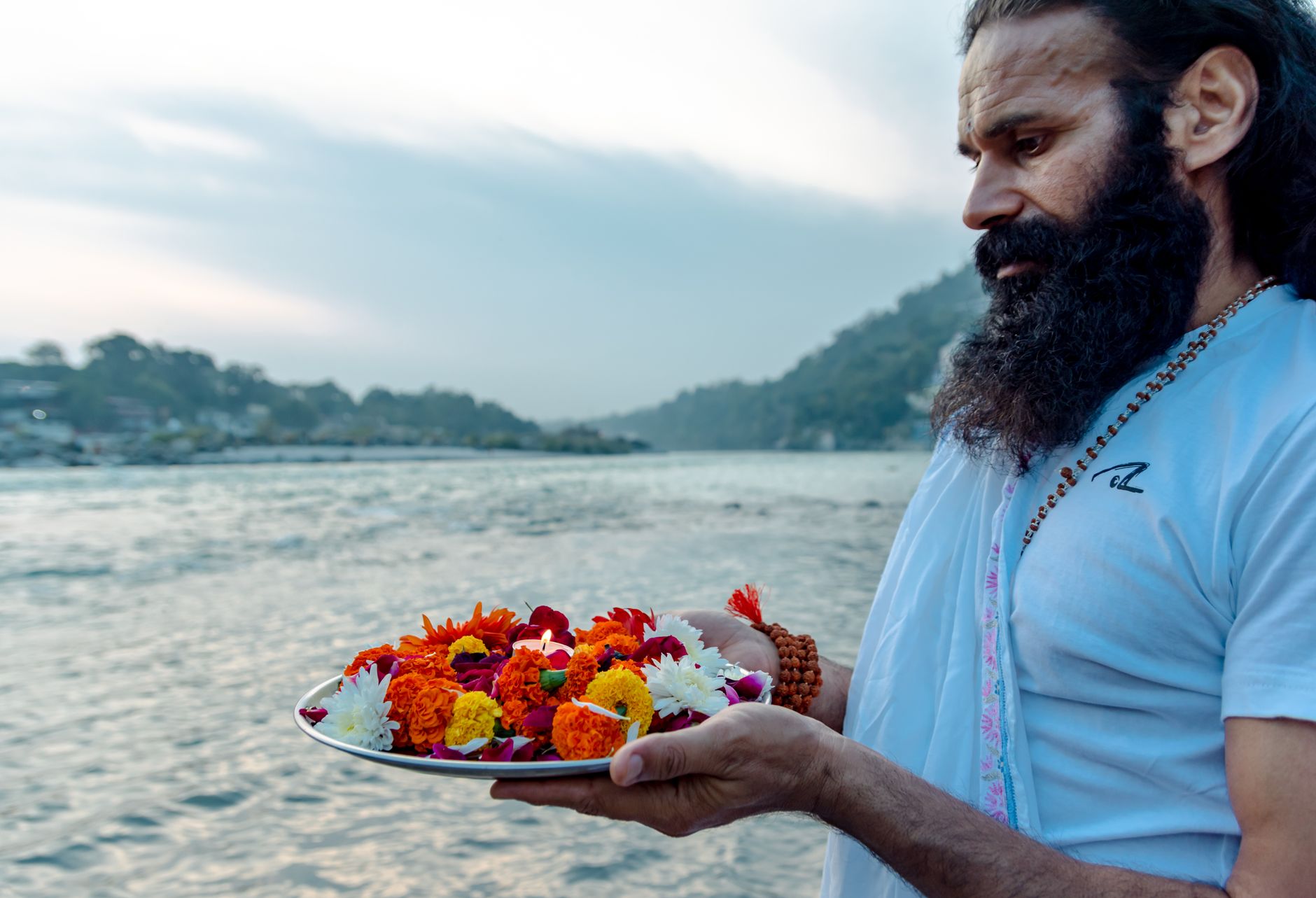
The ghats at Varanasi are still wet from the pre-dawn rain when the first boat slides past. Wood smoke mixes with marigolds and river mud. A man in a white dhoti cups water in his palms, lifts it toward the pale sun, and lets it fall. Twenty feet away, a woman in a saffron sari does the same. So does a boy of maybe nine, his hair still wet from the bath. Nobody instructs them. Nobody is watching. The river receives it all the same. This is the Ganges on a Tuesday morning, and it has been happening for a very long time.
“The river does not remember which hands have touched her. She only keeps moving.”
Historical Context
Sacred rivers are among the oldest religious geography we have. The Ganga appears in the Rig Veda, and by the time the Puranas were compiled, her descent from the heavens was already a settled story: the river as a goddess who agreed to fall to earth so that the ashes of the dead could be released. The Nile carried the same weight in a different register, feeding the temples of Isis and Osiris even as it fed the grain of Egypt. The Jordan holds a baptismal charge that three faiths still argue about. The Yamuna, the Saraswati, the Niger, the Mekong, the Colorado — the list is longer than most travelers expect.
What connects them is not water quality. It is the shared human intuition that moving water is a boundary between the ordinary and the sacred. You cross a river and something changes. You bathe in it and something is washed off. This is a very old idea, older than any single religion, and it survives because it remains true in a way that a swimming pool can never be.
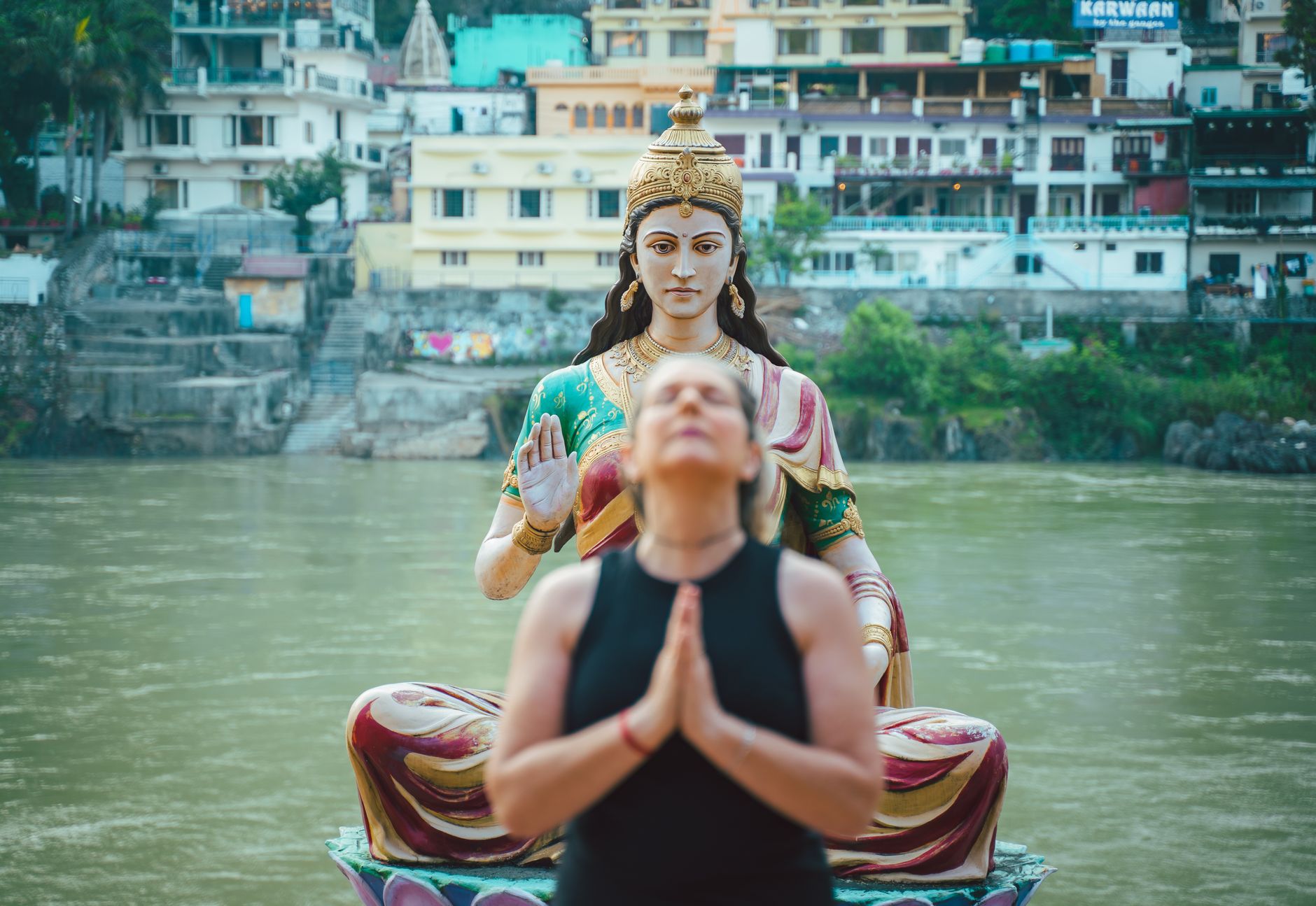
I have been visiting these rivers for fifteen years, sometimes as a pilgrim and sometimes as a person who simply wanted to see what the fuss was about. The fuss, it turns out, is justified. Not always. Not in every season. But often enough that I keep returning.
The Experience
What does it actually feel like to stand at the edge of a sacred river? Cold, first of all, if you go in the morning. The stones underfoot are slick with algae. The current pushes at your ankles with a patient insistence, as if it has somewhere to be and you are merely in the way. The air smells of diesel and incense and, faintly, of the flowers that have already been offered and are now floating downstream.
Sound arrives in layers. Temple bells somewhere behind you. A boatman arguing about a fare. A mother calling a child back from the water. The river itself makes almost no sound at all, which surprised me the first time. It is the people who make the noise. The river simply receives it and carries it away.
At the Jordan, near the baptismal site on the Jordanian side, the experience is quieter. The water is green and slow. Reeds line the bank. A small wooden platform leads down to the river, and people descend it one at a time, mostly in silence. I watched a woman in her seventies lower herself into the water with the help of two friends, and when she came up she was laughing, not crying, which felt right. The river does not require tears.
The Nile at Luxor is different again. Wide, brown, almost indifferent. The feluccas lean against the wind and the temple columns stand back from the bank as if they have agreed to keep a respectful distance. You do not bathe in the Nile the way you bathe in the Ganges. You sit beside it, and you watch the light change, and you understand why an entire civilization oriented itself around a river that flooded on schedule.
Over four days at Varanasi I counted eleven languages spoken on the same stretch of ghat. I counted three funeral pyres, two weddings, one cricket match, and a man selling chai from a bicycle who had been doing so at the same spot, he told me, for twenty-two years. The sacred and the mundane are not separated here. They share the same stone steps. This is the thing that most surprises first-time visitors, and the thing that most repays a second visit.
Who It’s For
This kind of travel rewards a particular temperament. You need to be comfortable with ambiguity, because sacred rivers are not museums. They are working rivers. They carry sewage as well as prayers. The same water that receives a flower also receives a plastic bottle, and the people who live along the bank have complicated feelings about this, as you will too.
You should also be willing to rise early. The rivers are at their most honest before seven in the morning, before the tour buses and the selfie sticks arrive. The pilgrims come at dawn because that is when the light is good and the air is cool, but also because that is when the river feels most like itself.
If you are the kind of traveler who likes a clear itinerary and a guaranteed outcome, this will frustrate you. The boats are late. The priests are busy. The water is colder than you expected. And yet the people who arrive with an open schedule and a willingness to sit still tend to come away with more than the ones who tried to see everything.
A few practical notes, gathered from fifteen years of mistakes:
- Go at dawn. The river is at its most legible before the crowds arrive, and the light is kinder to photographs than you deserve.
- Ask before you photograph. People at these rivers are not exhibits, and a small gesture of respect goes further than a large tip.
- Do not drink the water, however sacred. Bring your own, and bring more than you think you need.
- Learn three words in the local language. Hello, thank you, and beautiful will carry you a long way along any riverbank.
- Sit for at least an hour without doing anything. This is the part most travelers skip, and it is the part that stays with you.
Who It’s NOT For
Let me be honest about the boundary. If you need cleanliness to feel safe, these rivers will unsettle you. The Ganges at Varanasi is not a pristine alpine stream, and pretending otherwise does a disservice to the people who live with its actual condition every day. If you are traveling with a fragile immune system, or with young children who will inevitably put their hands in their mouths, think carefully before you go.
This is also not for the traveler who wants spirituality served neat, without the mess of commerce and politics and grief. The sacred rivers are contested spaces. They are dammed and diverted and prayed over and polluted and fought for. Any honest encounter with them includes the discomfort of that complexity. If you are looking for a serene postcard, you will find it, but you will have to look past a great deal that does not fit the frame.
And finally: this is not a fast trip. If you have three days and a checklist, choose one river and stay with it. The rivers reward patience and punish hurry. That is not a metaphor. It is the plainest practical advice I can offer.
A Profound Insight
Here is the counter-intuitive thing I have come to believe after years of visiting these places: the rivers are not sacred because of what they represent. They are sacred because of what they refuse to do. A river will not stay still for you. It will not be purified into permanence. It will not hold its shape. It goes on receiving everything — the prayers, the ashes, the sewage, the flowers — and it keeps moving toward the sea, which is the only destination it has ever agreed to.
We tend to think of the sacred as something preserved. A relic behind glass. A doctrine kept intact. The rivers suggest otherwise. They suggest that the sacred is what keeps flowing, what keeps accepting, what keeps refusing to stop. The Ganges does not judge the pilgrim and the polluter differently. She carries them both. There is a teaching in that, and it is not a comfortable one, because it asks us to accept that we are also carried, and that we do not get to decide what the current does with us.
I have watched people try to make the river into a monument. They build stone embankments and fences and signs. The river ignores them and goes where it was always going to go. Perhaps that is the insight worth carrying home: the most sacred things in our lives are the ones that will not be managed. Grief. Love. Time. The river is only the clearest example.
Conclusion
You do not need to be religious to stand at the edge of a sacred river. You need only to be willing to stand there, and to let the water do what water does, which is to keep moving whether or not you understand it. The ghats at Varanasi will still be wet tomorrow morning. The Jordan will still be green and slow. The Nile will still lean against the wind. Somewhere a man in a white dhoti will lift water toward the sun, and a woman in a saffron sari will do the same, and nobody will instruct them, and nobody will be watching, and the river will receive it all the same.
Go. Sit. Do not hurry. The river is not going anywhere, and neither, for a little while, are you.