The saffron cloth was still warm from the sun when I pressed my palm against it. In a small wat outside Chiang Mai, a novice monk no older than twelve handed me a square of fabric, his shaved head gleaming under the eaves, and gestured toward the ordination hall. I did not understand the Pali he chanted. I understood the cloth. Somewhere between the heat of the stone floor and the low hum of the morning, I forgot to check the time. That forgetting is the whole invitation of Thailand’s Buddhist temples. Not monuments to be photographed and left. Living rooms of the sacred — still inhabited, still warm.
“The temple does not ask you to believe. It asks you to arrive.”
Historical Context
Buddhism arrived on the shores of what is now Thailand sometime around the third century BCE, carried by monks traveling the trade routes from India and Sri Lanka. It came slowly, not as a conquering faith. It settled into the rice fields and river valleys, mingling with animist traditions already rooted there. The result is something distinctly Thai: a Buddhism that honors the Buddha but also leaves rice and flowers for the spirits of the land.
The great temple complexes rose with the kingdoms. Sukhothai, the first major Thai capital, built Wat Mahathat in the thirteenth century, its lotus-bud chedi still standing like a stone prayer. Ayutthaya followed. Then Bangkok, where Wat Pho cradles a reclining Buddha forty-six meters long and Wat Arun rises from the Chao Phraya like a porcelain mountain. Each kingdom built its temples as acts of merit and statements of power. Both things can be true at once.

What endures is the rhythm. Morning alms. Midday chanting. Evening meditation. The temples have outlasted dynasties because they were never only about dynasties. They are infrastructure for the soul, as ordinary and necessary as a road.
The Experience
You take off your shoes at the threshold. This is the first instruction, and it is not symbolic. The stone is cool, then warm, then cool again as you move from shadow into sun. Your feet become instruments of attention.
Inside, the air is thick with incense and the faint sweetness of jasmine garlands. A fan turns slowly overhead, pushing the heat around without relieving it. Someone is sweeping. Someone is always sweeping. The sound of the broom against stone becomes a kind of metronome for the morning.
At Wat Pho, I sat on the floor near the reclining Buddha and watched a woman arrange lotus buds at an altar. She did this with the concentration of a surgeon. Each stem placed, adjusted, placed again. Her phone buzzed in her bag. She did not reach for it. I thought about how rarely I have seen anyone ignore a phone with such ease.
The sensory memory that stays with me most is the sound of chanting at dusk. It is not melodic in the way Western ears expect. Low, repetitive, almost conversational. Monks chant in Pali, a language no one in the room speaks fluently, and yet the room understands. The vibration moves through the floor and into your spine. You do not need to translate it. You need only to let it pass through you.
Here is what surprised me: the temples are not quiet. Children run through the courtyards. Dogs sleep on the steps. Vendors sell cold water and birdseed outside the gates. The sacred and the ordinary share the same square footage. This is not a failure of reverence. It is the point.
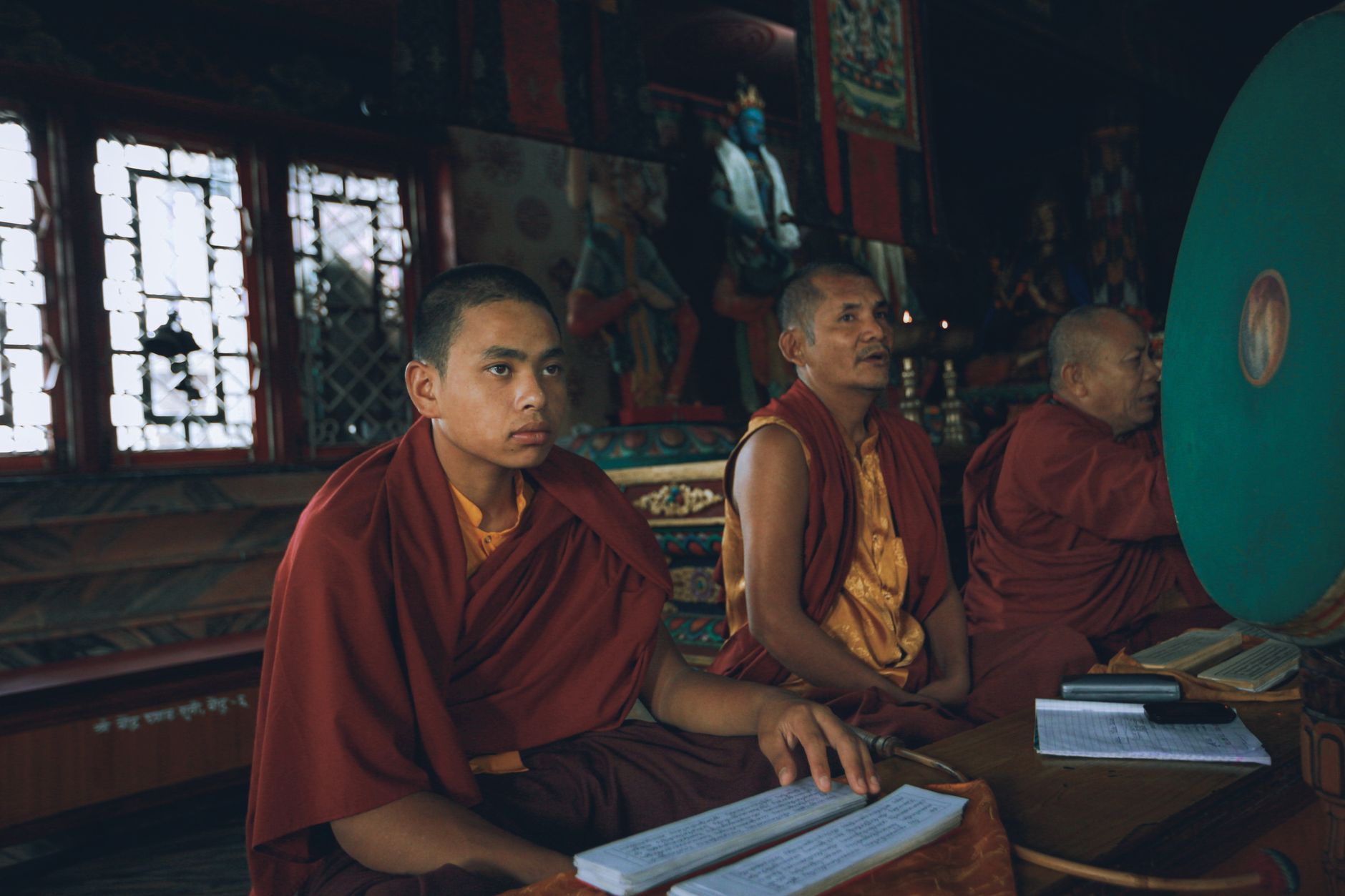
Who It’s For
This journey is for the traveler who wants to slow down more than they want to see everything. If you are willing to sit on a stone floor for twenty minutes without a plan, you will find something here that no itinerary can deliver.
It suits people who are curious about practice, not just architecture. You do not need to be Buddhist. You do not need to meditate well. You need only to be willing to remove your shoes and your assumptions at the same time. The temples reward the unhurried. They reward the person who returns to the same wat three mornings in a row and notices that the light is different each day.
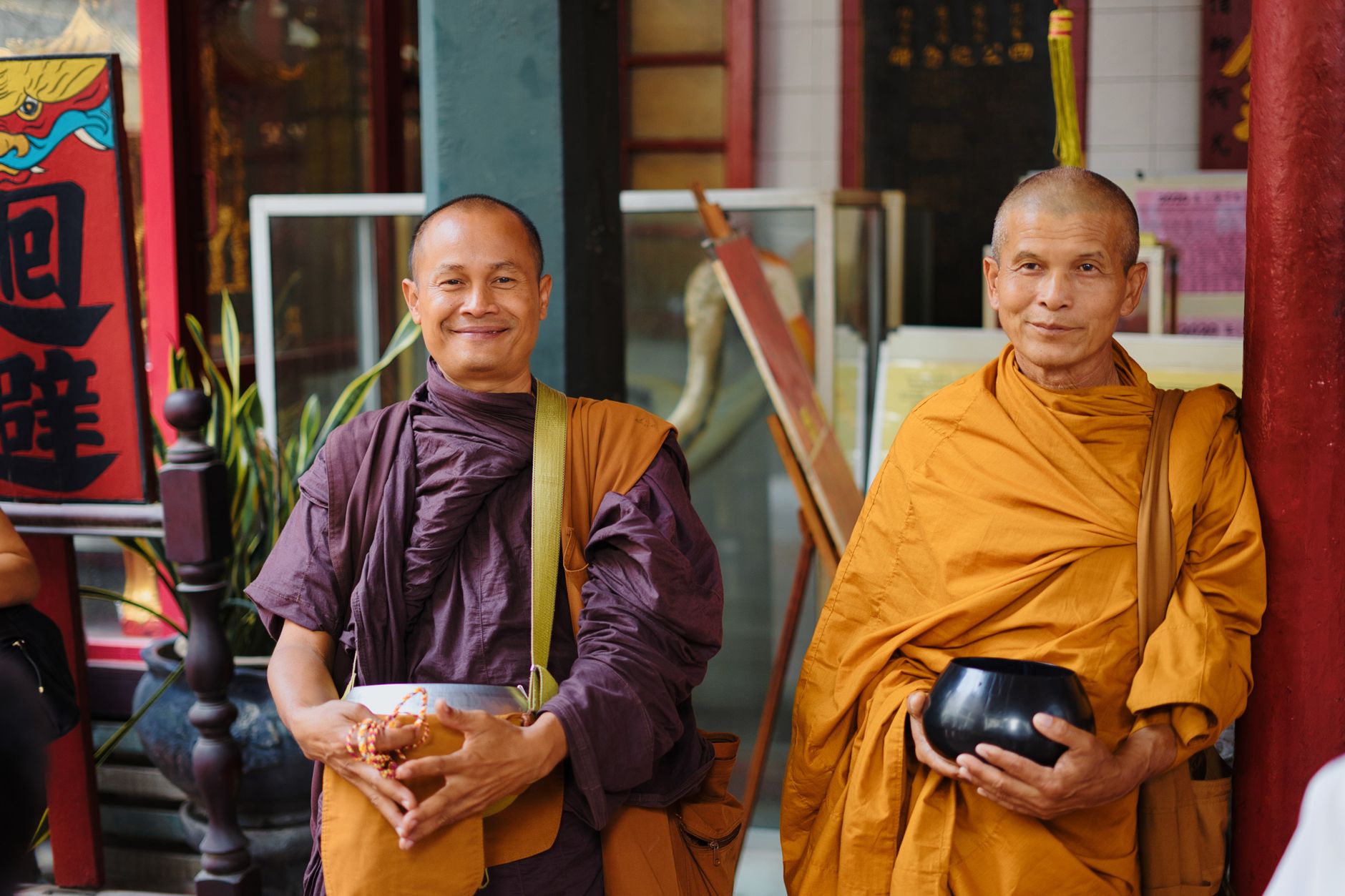
It is also for the traveler who wants to support the living tradition. Offering alms to monks at dawn, joining a meditation session, or simply buying your lunch from the family whose stall has fed pilgrims for thirty years — these are small acts of participation. The temples are not museums. Your presence, offered with respect, is part of the ongoing life of the place.
Who It’s NOT For
I will be honest with you. If you are traveling to collect temples the way you collect passport stamps, this will frustrate you. The temples do not perform on demand. They will not always be open when the guidebook says. The famous ones will be crowded with tour groups at midday, and the quiet ones may have a sign in Thai you cannot read.
This journey is also not for anyone who cannot abide heat, dust, or the sight of a dog sleeping exactly where you want to walk. It is not for the traveler who needs air conditioning and a schedule. And it is not for anyone unwilling to observe the dress codes — shoulders and knees covered, shoes off, hats removed. These are not suggestions. They are the terms of entry into someone else’s sacred space. If those terms feel like an imposition, choose a different journey.
A Profound Insight
Here is the counter-intuitive thing I carried home: the temples are not trying to make you feel peaceful. Peace is not the product. The product is attention.
Watch a monk sweep. He is not sweeping to achieve calm. He is sweeping because the courtyard is dirty. The calm arrives as a byproduct, uninvited, while he is busy with the broom. This is the teaching I keep returning to. We in the modern world chase calm directly, as if it were a destination we could book. The Thai temple tradition suggests something different. Do the small task. Sweep the floor. Place the lotus bud. Light the incense. Peace is not the goal. Peace is what happens while you are doing something else with your whole heart.
There is a second insight, quieter. The temples are built to outlast the people who built them. The stone chedi at Sukhothai has watched generations of visitors arrive and leave. It does not rush. It does not need to. Standing before it, you are invited into a longer timeline than the one your calendar provides. That shift in scale is its own kind of medicine.
- Arrive early. The temples are most alive at dawn, when monks collect alms and the courtyards belong to the locals.
- Dress modestly — shoulders and knees covered — and carry a light scarf. It doubles as sun protection and a respectful layer.
- Sit for at least fifteen minutes in one hall. Do not photograph. Do not narrate. Just sit and let the room do its work.
- Return to the same temple more than once. Familiarity reveals what novelty hides.
- Learn three words of Thai: sawasdee (hello), khop khun (thank you), and the gesture of a slight bow with pressed palms.
- Give to the temple, not just to the ticket booth. Alms, incense, or a donation to the monks’ fund.
The saffron cloth is still warm in my memory. I never learned the Pali chant. I learned the cloth, the stone floor, the broom against the courtyard. I learned that the sacred does not require my understanding. It requires only my arrival. When you go — and I hope you go — bring your questions, your shoes, and your willingness to take them off. The temple will do the rest.