The smell of wet stone and marigold reached me before I saw the shrine. A small, tucked-away altar in a courtyard off a lane so narrow two people could not pass without turning sideways. I had come to this town for a week and stayed for three. Not because of the sights, which were modest, but because of a morning ritual I stumbled into: an old woman sweeping the same square of earth each dawn, then pressing her palms together and standing still for a full minute. She never hurried. I began to copy her. By the third day I understood something I had been chasing for years across continents. A place enters you not through what you see, but through what you slowly agree to repeat.
“The heart keeps its own maps, drawn in ink that only stillness can read.”
Historical Context
The idea of carrying a place within you is not new, and it is not merely poetic. Pilgrimage traditions across cultures have long understood that the journey does not end at the destination. In the Hindu tradition of tirtha — literally a “ford” or crossing place — the pilgrim moves toward a sacred site, but the deeper movement is inward. The geography is a scaffold for an interior crossing. You go to the river; the river goes into you.
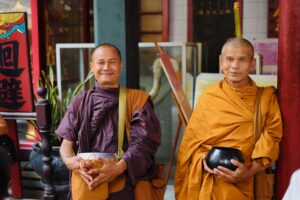
Buddhist practice offers a parallel. The pilgrim who walks the long circuits around stupas or mountains is not accumulating distance for its own sake. Each step is a repetition, a small vow renewed. The body learns what the mind resists: that meaning arrives through rhythm, not intensity. I have met monks in Sri Lanka who speak of certain valleys the way one speaks of an old friend — with tenderness, with a kind of homesickness that has nothing to do with wanting to return.

In the West, we have largely severed this thread. We photograph, we post, we move on. The Grand Tour of the eighteenth century was an early version of this hunger — young men sent abroad to collect experiences and objects — yet even then, the wisest travellers returned changed rather than merely decorated. The tradition of the souvenir, from the French for “to remember,” has been cheapened into trinkets. But the original instinct was sound: we want a vessel for what moved us. The question is whether the vessel is a shelf object or a living practice.
What the old traditions share is a discipline of return. Not return to the place — return to the feeling of the place. A stone, a song, a specific hour of the morning. The heart is a poor archivist on its own. It needs rituals to keep its treasures from gathering dust. Without them, even the most vivid journey thins into a story we tell less and less often, until one day we cannot remember why it mattered.
The Experience
Here is what it actually feels like to carry a place well.
It is not nostalgia. Nostalgia is a closed loop, a longing that feeds on its own hunger. Carrying a place is different. It is more like carrying a seed in your pocket that occasionally, without warning, blooms.
I notice it in small sensory ambushes. The smell of cardamom in a supermarket aisle and suddenly I am back in that courtyard, the marigolds wilting in the afternoon heat, the old woman’s broom scratching the dust. A certain slant of winter light through my kitchen window — pale gold, low — and I am standing again on a hillside in Ladakh, where the air was so thin and clear that every edge of the world seemed sharpened. These moments do not arrive when summoned. They arrive when I am unguarded, usually doing something ordinary: washing a cup, waiting for a train, listening to rain.
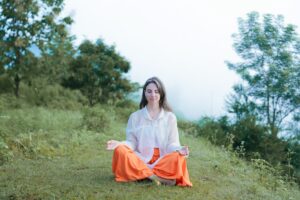
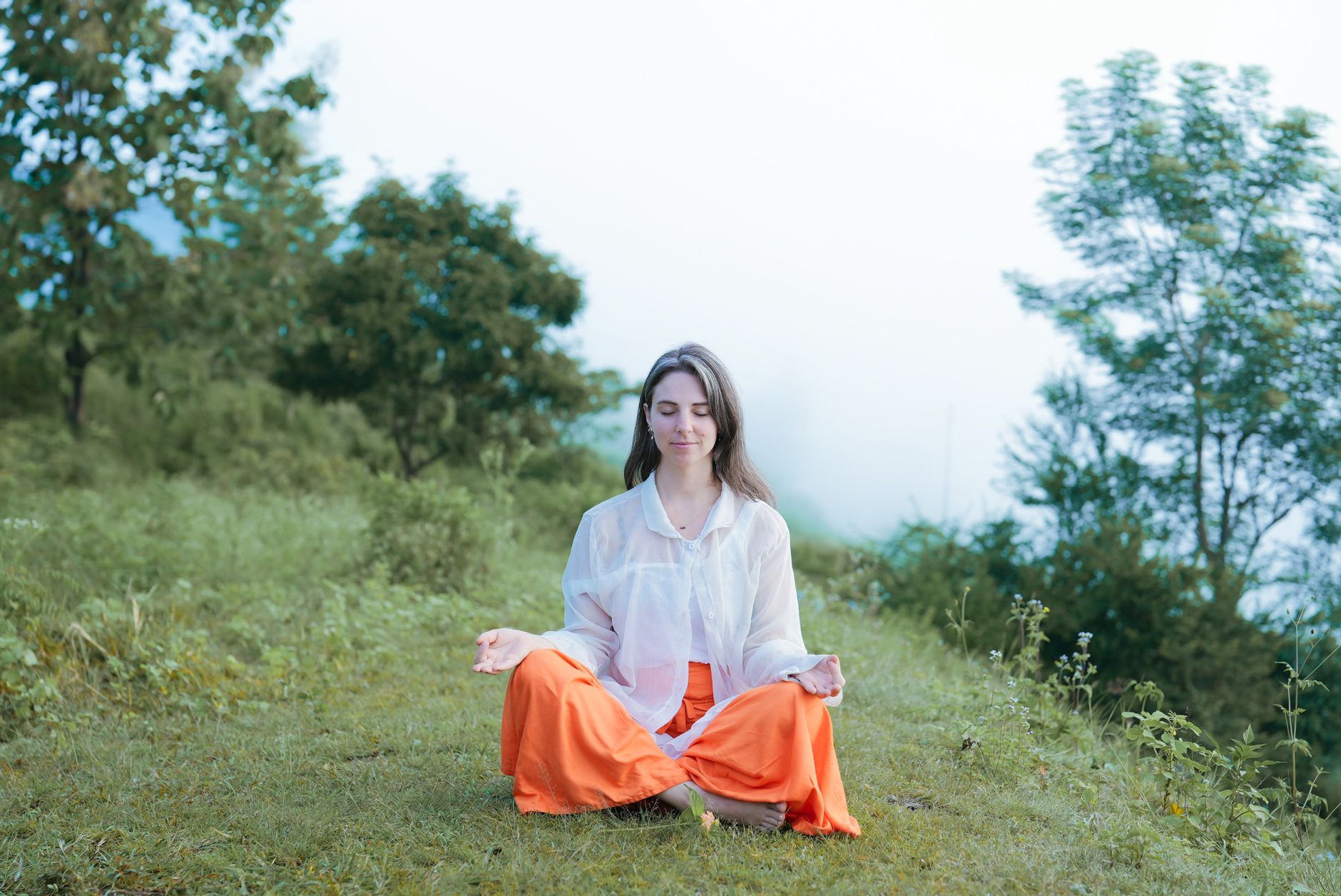
The experience is also physical. I have learned that the body stores places more faithfully than the mind. When I want to return to the shrine, I do not try to remember it. I sit, I slow my breath to the pace of that morning, I let my shoulders drop the way they dropped when I finally stopped trying to be somewhere else. The body remembers. It was there.
And there is a quieter layer. When you carry a place, you begin to notice that you are also being carried — by the place, by the people who let you stand in their morning, by the simple hospitality of being allowed to witness. That mutuality is the heart of it. You are not a collector. You are a guest who has been changed by the host.
I keep a small notebook for this, though not the kind you might expect. No descriptions of architecture, no lists of restaurants. Only single lines: “the sound of the broom at 5:40,” “the weight of the brass bowl,” “the way she laughed when I tried to help.” These are not memories of a place. They are anchors. When I read them, the place comes back not as a picture but as a presence.

Who It’s For
This practice serves the traveller who has grown tired of collecting. You have seen the famous things. You have taken the photographs. And you have noticed, perhaps with some discomfort, that the photographs do not hold what you felt. You want something more durable than an album.
It is for the slow traveller, the one who lingers in a single neighbourhood for a week rather than ticking off five cities. It is for the traveller who is willing to be bored, because boredom is the doorway to attention. It is for anyone who has ever stood in a beautiful place and felt a strange grief — the grief of knowing you cannot keep it — and wondered if there was another way.
Most of all, it is for the traveller who suspects that the point of going away is not to escape but to return differently. If you have ever come home and felt that the journey was somehow unfinished, this practice is the finishing.
- Choose one small ritual from the place — a morning walk, a tea, a pause — and repeat it for at least three days. Repetition is what turns observation into belonging.
- Record sensory anchors, not itineraries. A smell, a sound, a texture. These are the hooks the heart uses to hang a memory.
- Practise a deliberate goodbye. Return to your favourite spot on the last morning and simply stand there. Let the place see you leaving.
- Build a home ritual that echoes the place — the same tea at the same hour, the same minute of stillness. The echo keeps the connection alive.
- Resist the urge to share immediately. Let the place settle in you before you turn it into a story for others.
Who It’s NOT For
I want to be honest here, because too much travel writing pretends that its way is the only way.
This is not for the traveller who needs to see everything. If your joy comes from movement, variety, the thrill of a new city every two days, then the slow, repetitive practice I am describing will feel like a cage. That is not a failure. Some people are made for the open road, and the open road is made for them. A place does not need to be carried if you are already carrying the momentum of the journey itself.
It is also not for the traveller in acute grief or crisis. When the heart is raw, the practice of holding a place can curdle into clinging. There is a time to let things go, and if you are in that time, let them go. The heart knows when it is ready to carry and when it needs to set down. Trust that knowing.
And it is not for anyone seeking a formula. There is no app, no checklist, no five-step method that will guarantee a place lives in you. The practice is simple but not easy. It asks for patience, and patience cannot be downloaded.
A Profound Insight
Here is the idea I would offer you, the one worth carrying home: you do not carry a place in your heart. The place carries you.
This is counter-intuitive. We speak of “holding a place dear,” as if the heart were a container and the place an object placed inside. But the experience is the reverse. When you return to that courtyard in your memory, it is not you who is doing the holding. The place is holding you — steadying you, reminding you of a pace you once kept, a stillness you once allowed. The old woman sweeping at dawn is not a memory you own. She is a teacher who continues to teach.
This inversion changes everything. It means the goal is not to capture the place but to remain available to it. It means the practice is not accumulation but receptivity. And it means that the places we carry are not ours. They are gifts that keep giving, long after we have left the ground where they were given.
I have come to think of it as a kind of hospitality in reverse. The place was host to me. Now, in the quiet hours, I am host to the place. I make room. I keep the fire lit. And in that keeping, I am kept.
Conclusion
The old woman is still sweeping, somewhere, in a courtyard I will likely never see again. I do not need to. She sweeps in me now, at odd hours, and when she does I find myself standing still for a full minute, palms together, doing nothing at all. That is the whole of it. A place enters you through repetition, settles in the body, and returns when you are unguarded. You do not need to travel far to begin. You need only one small ritual, one sensory anchor, one deliberate goodbye. The world is full of places waiting to carry you. The only question is whether you will slow down enough to be carried. Will you?