The stone floor is cold beneath my bare feet. It has been worn smooth by twenty-three centuries of pilgrims who came before me. I am standing in the telesterion at Eleusis, thirty kilometres west of Athens, where the Greater Mysteries were celebrated for nearly two thousand years. The initiates came in autumn, fasting, walking from the city in procession, and they entered this hall in silence. What happened inside remains one of history’s most carefully kept secrets. No one broke the silence. Not a single initiate betrayed the rites. I press my palm against the wall and feel the same chill they must have felt, and I understand why no one spoke.
“The initiate does not learn something new; the initiate remembers something forgotten.”
Historical Context
Mystery schools were not a fringe phenomenon. They were the spiritual infrastructure of the ancient Mediterranean. Eleusis drew emperors and slaves alike. Marcus Aurelius was initiated. So was the playwright Sophocles. The rites honoured Demeter and Persephone, mother and daughter, and the myth at their heart was the story of descent and return — a daughter taken into the underworld, a mother’s grief, and the long negotiation that brought her back for part of each year. The initiates fasted. They bathed in the sea. They drank a barley brew called kykeon and entered the telesterion at night. What they saw there, no one knows. What they felt, we can guess from the ancient testimony: terror, then release. Pindar wrote that the initiate who passes beneath the earth knows the end of life, and knows its god-given beginning.
Greece was not alone. Egypt had its temple sleep at Saqqara, where seekers hoped for a healing dream. The Pythagoreans of Croton formed a community of study and silence. Rome imported the cult of Isis and the bull-slaying rites of Mithras, which drew soldiers and merchants into small, dark chambers. What unites them is not doctrine but method: preparation, secrecy, initiation, and a transformation that could not be undone. These were not lecture halls. They were thresholds. The candidate arrived as one person and left as another, and the community around them witnessed the change.
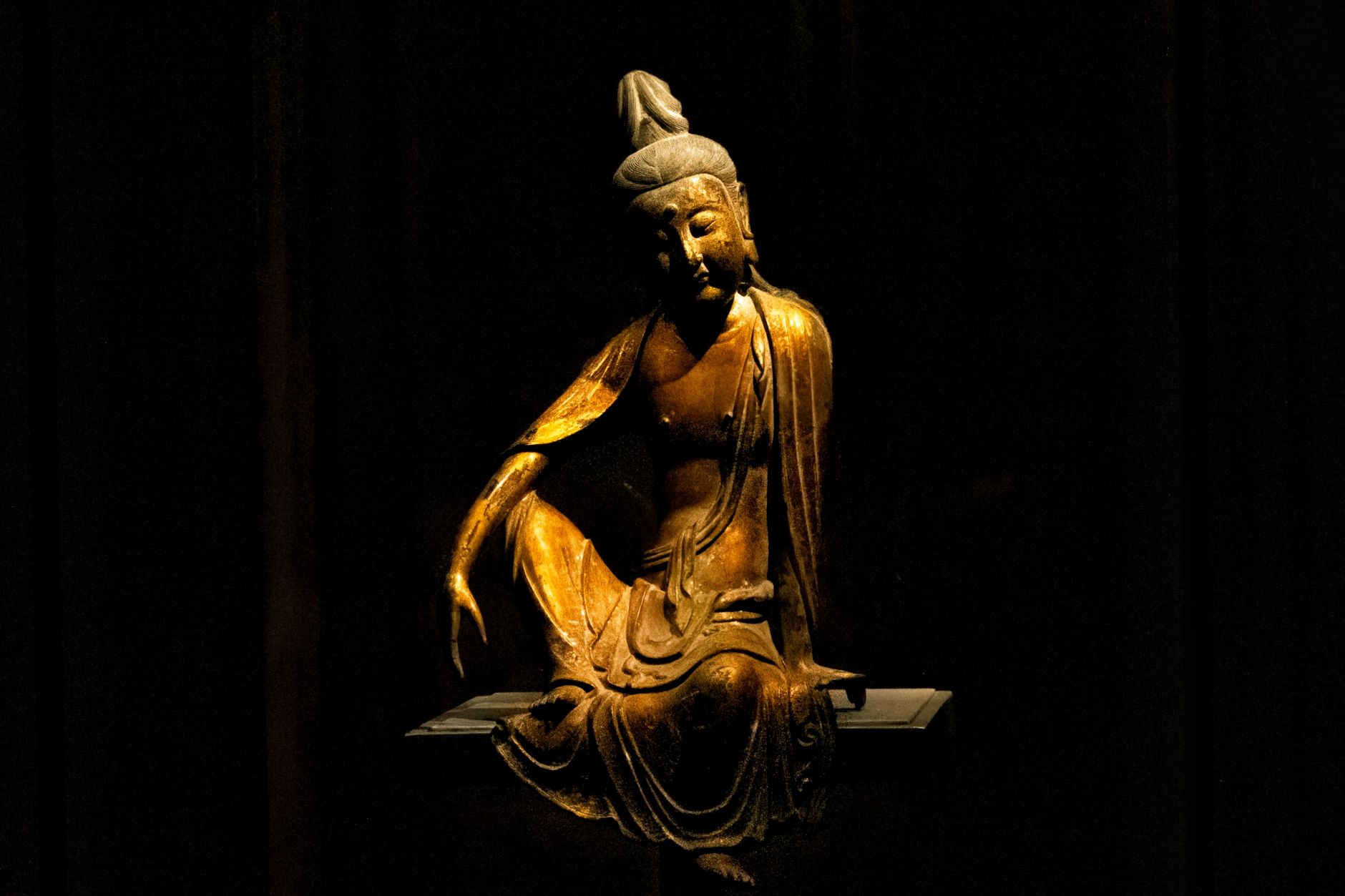
The tradition did not vanish with the temples. It went underground, then reappeared in the hermetic schools of Alexandria, in the Sufi orders, in the cathedral builders’ guilds, in alchemy’s coded language. Every generation that loses the outer form seems to rebuild the inner one. That persistence tells us something. The hunger for direct experience of the sacred does not belong to any single century. It belongs to the human body, to the human breath, to the long apprenticeship of being alive and knowing that one day we will not be.
The Experience
Walking the sacred way from Athens to Eleusis takes about six hours at a pilgrim’s pace. I began before dawn. The modern road runs alongside the ancient one, and the old stones appear in fragments — a stretch of paving here, a boundary marker there. By the time the sun cleared the hills, my feet had found their rhythm and my mind had quieted into something like the state the initiates must have sought through fasting and procession. Fatigue becomes a doorway. The body’s complaints fall away, and what remains is attention.
At the site itself, the silence is not empty. It has weight. The telesterion’s foundations trace a vast square, and you can stand at its centre and imagine the night, the torches, the gathered crowd. I closed my eyes and felt the air move across my skin, and for a moment the centuries thinned. This is not mysticism; it is the ordinary power of place. Some ground has been held in reverence for so long that the holding becomes tangible. You do not need to believe anything to feel it. You need only stand still.
The modern pilgrim can still approximate the preparation. Fast lightly the day before. Walk the last kilometres on foot. Arrive at dusk rather than midday. Bring no camera into the sacred precinct, or if you must, leave it in your bag for the first hour. Let the place speak before you speak about it. These small disciplines are not superstition. They are the outer architecture of an inner turning, and the old ones knew that the body must be led before the mind will follow.
Who It’s For
This journey serves the traveller who is willing to be changed by a place and not merely to photograph it. If you are drawn to sites where history is not displayed behind glass but still lives in the ground and the air, Eleusis and its kin will meet you. The seeker who has read a little, who suspects that the ancient world knew something about inner transformation that our own age has misplaced, will find here a thread worth following.
It is also for the traveller who can hold uncertainty. Nobody will hand you a pamphlet explaining what the initiates experienced. The mystery remains a mystery. If that frustrates you, this is not your path. If it intrigues you, you are already halfway there.
Practical notes for the one who goes: allow at least three days for Attica, more if you plan to visit Delphi and the sanctuary at Epidaurus. Travel in late September or early October, when the heat relents and the light turns gold. Stay in a small guesthouse near the site and eat simply. The outer journey works best when it mirrors the inner one — slow, unhurried, deliberate.
Who It’s NOT For
This is not for the traveller seeking spectacle. There are no light shows at Eleusis, no costumed guides, no gift shop selling initiation certificates. The site is ruins and quiet and, in the off-season, sometimes only you and the wind. Those who measure a destination by its attractions will leave disappointed.
Nor is it for the person who needs certainty. If you require a doctrine, a clear narrative, a promise of what you will feel and when, the mystery tradition will frustrate you at every turn. It was built on not-knowing, and it guards that not-knowing still. Nor is it for anyone who cannot walk on uneven ground or who needs the comfort of modern amenities at every step. The sacred way is not paved for your convenience. It was never meant to be.
A Profound Insight
Here is the idea I carried home, and it surprised me. The initiates did not go to Eleusis to learn a secret. They went to rehearse a death. The rites were a preparation, a practice run at the threshold every human must cross, conducted in safety, in community, in the presence of others who had crossed it before them. The terror they felt was not fear of the unknown; it was fear dissolving into acceptance. What the mysteries offered was not information but rehearsal.
This is counter-intuitive in an age that treats spirituality as self-improvement. The mystery schools were not interested in making you a better version of yourself. They were interested in making you familiar with your ending, so that you might live differently in the meantime. The initiate who had rehearsed the descent no longer feared it. That is a strange kind of freedom, and a durable one. It does not depend on mood or circumstance. It rests on having looked at the thing we most avoid and finding that it can be looked at.
You can carry this home without any ancient stone at all. Ask yourself, on any ordinary morning, what you would do differently if you had rehearsed your own ending. The answer is rarely dramatic. It is usually small and specific: a call to make, a grudge to release, an hour spent differently. And what would it mean to make that call today, not because a temple told you to, but because you have stood where the ground remembers and let it remind you?
- Walk the sacred way on foot, at least the final kilometres; let the body arrive before the mind does.
- Fast lightly and arrive at dusk; preparation is half the experience.
- Leave the camera in the bag for the first hour and let the place speak first.
- Travel in late September or early October, when the heat relents and the light turns gold.
- Carry the practice home: rehearse your ending, then live the ordinary morning differently.
The mystery schools left us no manual, and that is their gift. What they left is a method: prepare, arrive, be still, and let the ground do its work. The stones at Eleusis are worn smooth by pilgrims, and the worn places are the ones worth standing on. Go when you are ready to be changed and not merely to see. The telesterion will hold you the way it held them — in silence, in darkness, in the long patient light of the morning after. What you find there will not be a secret. It will be a rehearsal, and you will know, finally, what it is for.