The stone is warm beneath my palm, though the morning air still carries the chill of the desert night. I am standing at the Western Wall in Jerusalem. Around me, hundreds of people pray in a language I do not speak, rocking gently, their breath visible in the pale light. A folded slip of paper slips from someone’s fingers and flutters down between the ancient stones. No one retrieves it. It is meant to stay. I have come not as a tourist with a checklist, but as a seeker trying to understand what happens when a place becomes so saturated with prayer that the very rock seems to hold it.
Some ground remembers what we forget.
Historical Context
Sacred sites are not born sacred. They are made sacred, slowly, through centuries of human attention. The Western Wall, for instance, is a remnant of the Second Temple’s retaining wall, built around 20 BCE under Herod the Great. When the Romans destroyed the temple in 70 CE, this fragment survived—and in its survival, it became something far more than architecture. It became a vessel for grief, hope, and the stubborn continuity of a people. The stones themselves are limestone, weathered and uneven, each one bearing the fingerprints of countless hands.
This pattern repeats across the world. The Meiji Shrine in Tokyo sits within a forest of one hundred thousand trees, planted by volunteers in the 1920s to honor Emperor Meiji. The forest was designed to become self-sustaining within a century—and it has. In Varanasi, the ghats along the Ganges have been continuously used for ritual bathing for over two thousand years. These are not ruins. They are living practices, still breathing.
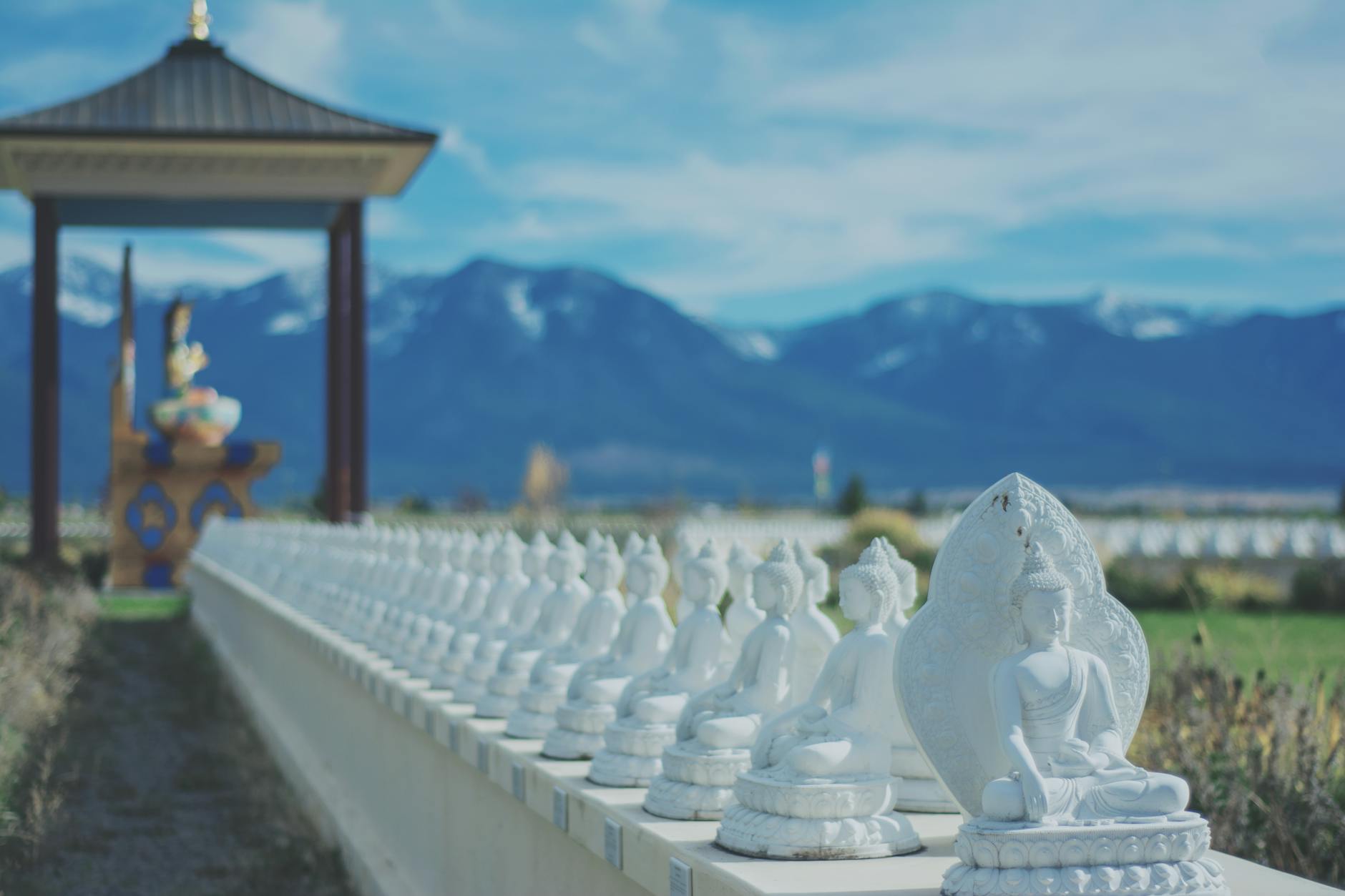
What strikes me is how often sacred sites are built upon older sacred sites. The Kaaba in Mecca, the Church of the Holy Sepulchre, the Temple of Confucius in Qufu—each rests on ground that was holy before the current religion arrived. The earth itself seems to have a memory. We build our temples where someone else once knelt.
The Experience
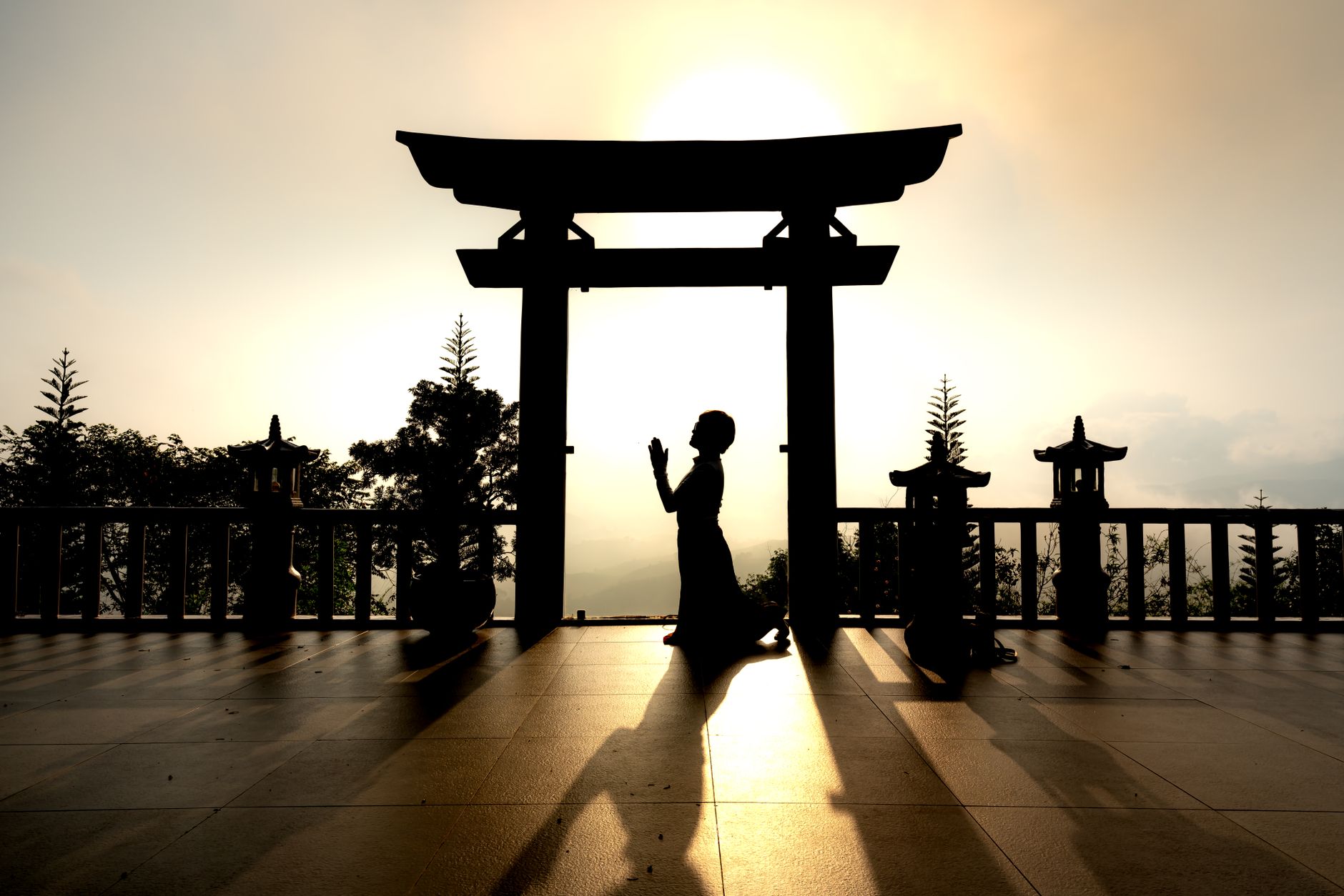
To visit a sacred site is not the same as to see it. The difference lies in pace. I learned this at the Fushimi Inari shrine in Kyoto, where thousands of vermilion torii gates wind up the mountainside like a spine. The first time I went, I walked quickly, photographing everything. The second time, I stopped at the first gate and simply stood. I noticed the sound of wind moving through the gates, a low wooden hum. I smelled cedar and damp earth. A woman in a white robe swept the path with a broom made of twigs, and the rhythm of her sweeping became a kind of metronome for my breath.
At the Golden Temple in Amritsar, the sensory experience is overwhelming. The air smells of ghee and cardamom from the langar kitchen, where volunteers feed tens of thousands of people daily, regardless of faith. The sound of kirtan—devotional singing—drifts across the water. The marble is cool underfoot, and the gold of the Harmandir Sahib shimmers in the reflection pool. I sat for an hour on the floor, eating dal and rice from a steel plate, and felt a kind of belonging I had not expected.
Sacred sites ask something of you. They ask you to slow down, to remove your shoes, to cover your head, to lower your voice. They ask you to be a guest. And in that guesthood, something loosens. The ego, which is so careful and so defended, finds itself without a role. You are just a body, breathing in a place that has witnessed millions of bodies before yours.
Who It’s For
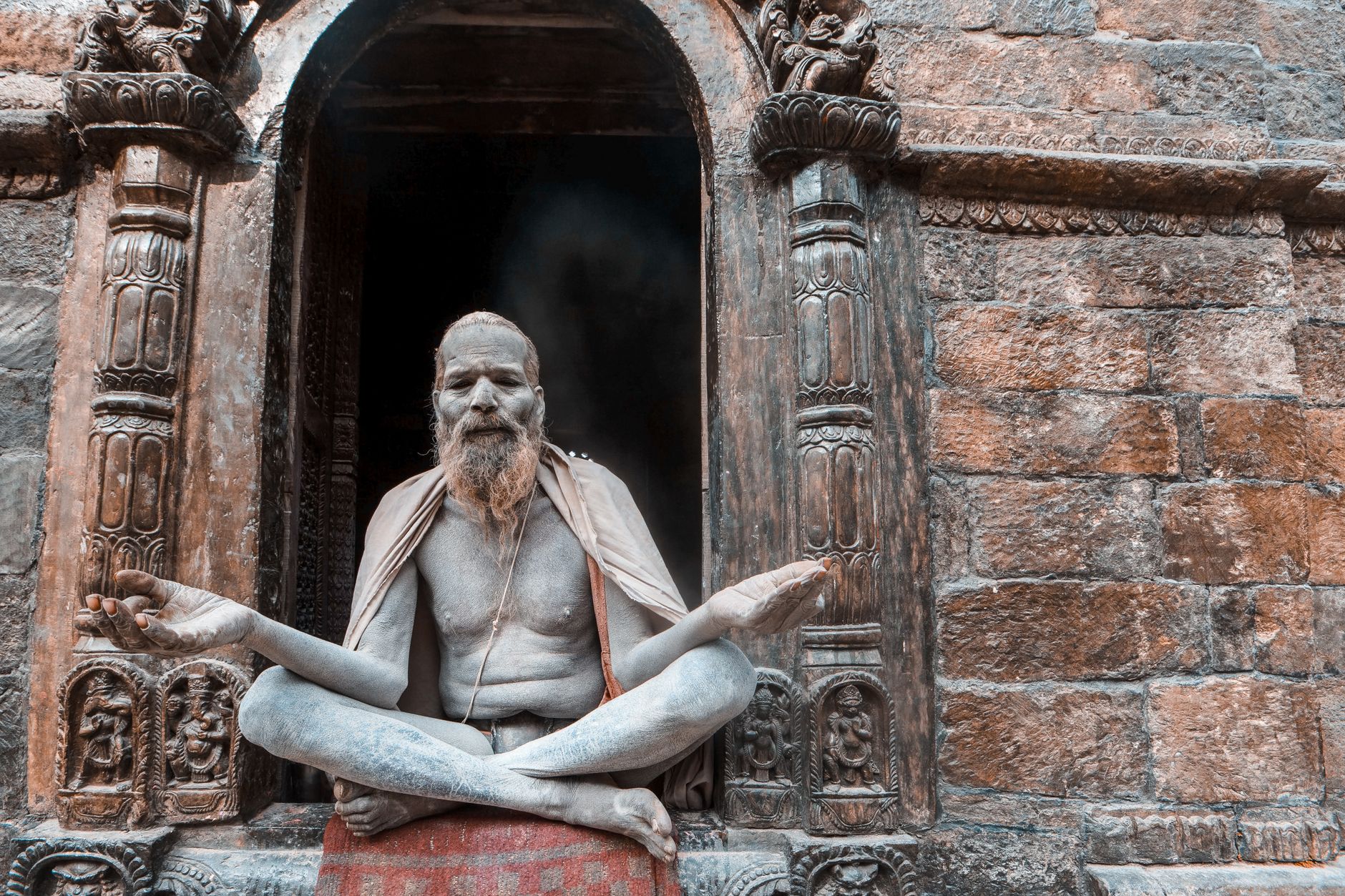
This way of traveling is for the person who is tired of collecting experiences and wants to be changed by them. The pilgrim, not the tourist. It suits those who are willing to sit with discomfort—the heat, the crowds, the rules that feel arbitrary until they don’t. It is for the traveler who can find richness in repetition, who will return to the same shrine three mornings in a row and notice something new each time.
It is for people who believe that stillness is not passive, but a form of attention. I have met these travelers in the most unexpected places: a retired schoolteacher from Ohio at a Buddhist stupa in Nepal, a young software engineer from Bangalore at the Meiji Shrine at dawn, a mother of three from Poland walking the Camino de Santiago with blistered feet and a quiet smile. They share a willingness to be led by something other than an itinerary.
This approach to travel also suits those who are ready to encounter their own discomfort. Sacred sites are not always peaceful. They can be crowded, commercialized, even alienating. The challenge is to stay present anyway—to let the mess be part of the pilgrimage.
Who It’s NOT For
Let me be honest: this is not for everyone. If you need to see everything on your list, if you measure a day by how many sites you’ve checked off, sacred sites will frustrate you. They do not perform on demand. Sometimes a holy place feels like a museum. Sometimes the crowd is loud and the air is thick with diesel fumes. Sometimes you feel nothing at all.
It is also not for those who are unwilling to respect local customs. If you cannot remove your shoes, cover your shoulders, or accept that women and men may pray separately in some traditions, you will find yourself in conflict with the very places you came to see. Sacred sites are not democratic spaces. They have rules, and those rules are not negotiable. If that bothers you, stay home. Or go to the beach. The beach has no expectations.
A Profound Insight
Here is the counter-intuitive truth I have carried from these journeys: the sacred is not in the site. It is in the attention you bring to it. A stone is just a stone until someone prays beside it for a thousand years. But even then, the stone does not radiate holiness on its own. It is a mirror. It reflects back the quality of your own presence.
This means that you can have a profound experience in a crowded cathedral or in a strip-mall meditation room. The location matters less than the willingness. And it means that you can visit the most revered site on earth and feel nothing—not because the site has failed you, but because you have not yet arrived. The site is not responsible for your transformation. You are.
I think of the words of a monk I met in Bodh Gaya, at the site where the Buddha is said to have attained enlightenment. He told me that people come from all over the world to sit under the Bodhi tree, hoping to feel something. “But the tree is not the point,” he said. “The tree is only a reminder that someone else once sat still.” That is what sacred sites do. They remind us that stillness is possible. They do not do the work for us.
So here is what I have learned to carry with me: Approach every site as a guest. Bring your attention as an offering. Let the rules be a form of practice, not a burden. And do not expect the place to do what only you can do.
If you are planning a journey to sacred sites, consider these practices:
- Arrive early, before the crowds, and sit in silence for at least fifteen minutes before you take a single photograph.
- Learn one phrase of greeting in the local language and use it with the people who tend the site—the sweepers, the caretakers, the volunteers.
- Dress modestly and remove your shoes without being asked; let the physical act of uncovering your feet be a small gesture of humility.
- Keep a small notebook and write one sentence at the end of each visit, not about what you saw, but about what you noticed in yourself.
- Return to the same place at least twice—once to see it, once to be seen by it.
The light is changing now at the Western Wall. The sun has risen above the eastern hills, and the stones are no longer warm but bright, almost white. People are still praying. Some are leaving, walking backward so as not to turn their backs on the wall. I watch them go, and I think about all the hands that have touched these stones before mine. I think about the notes folded into the cracks, each one a small, stubborn hope. And I understand, finally, why we travel to these places. Not to find answers, but to be reminded that others have asked the same questions—and that the asking itself is a kind of prayer.