Water remembers. Stand at the edge of a sacred lake and you feel it—a stillness that predates every temple built beside it. Pilgrims have circled these waters for millennia. Their footsteps have worn something invisible into the shoreline. You do not need faith to sense it. You only need to slow down enough to notice.
Some waters are not meant to be crossed—only to be sat beside until they teach you how to be still.
Historical Context
Sacred lakes appear wherever humans have looked for the divine in the natural world. Lake Manasarovar, high on the Tibetan plateau, sits at the foot of Mount Kailash and has drawn Hindu, Buddhist, Jain, and Bon pilgrims for thousands of years. Tradition holds that bathing in its cold, mineral-rich waters washes away the karma of a hundred lifetimes. A day’s walk away lies Rakshastal, the “demon lake”—saltwater, silent, and deliberately left unvisited by most pilgrims. The contrast is not accidental. These traditions understand that reverence requires a boundary.
Far to the west, Lake Titicaca cradles the Andean belief that the sun god Inti rose from its depths to create the first Inca. The Uros people still live on floating islands woven from reeds, their lives stitched to the water’s rhythm. In India, Pushkar Lake holds a rare distinction: a Brahma temple at its edge, one of the few in existence, where pilgrims descend the ghats at dawn to offer marigolds and light. Every one of these lakes shares a common thread—they are not merely scenery. They are thresholds.
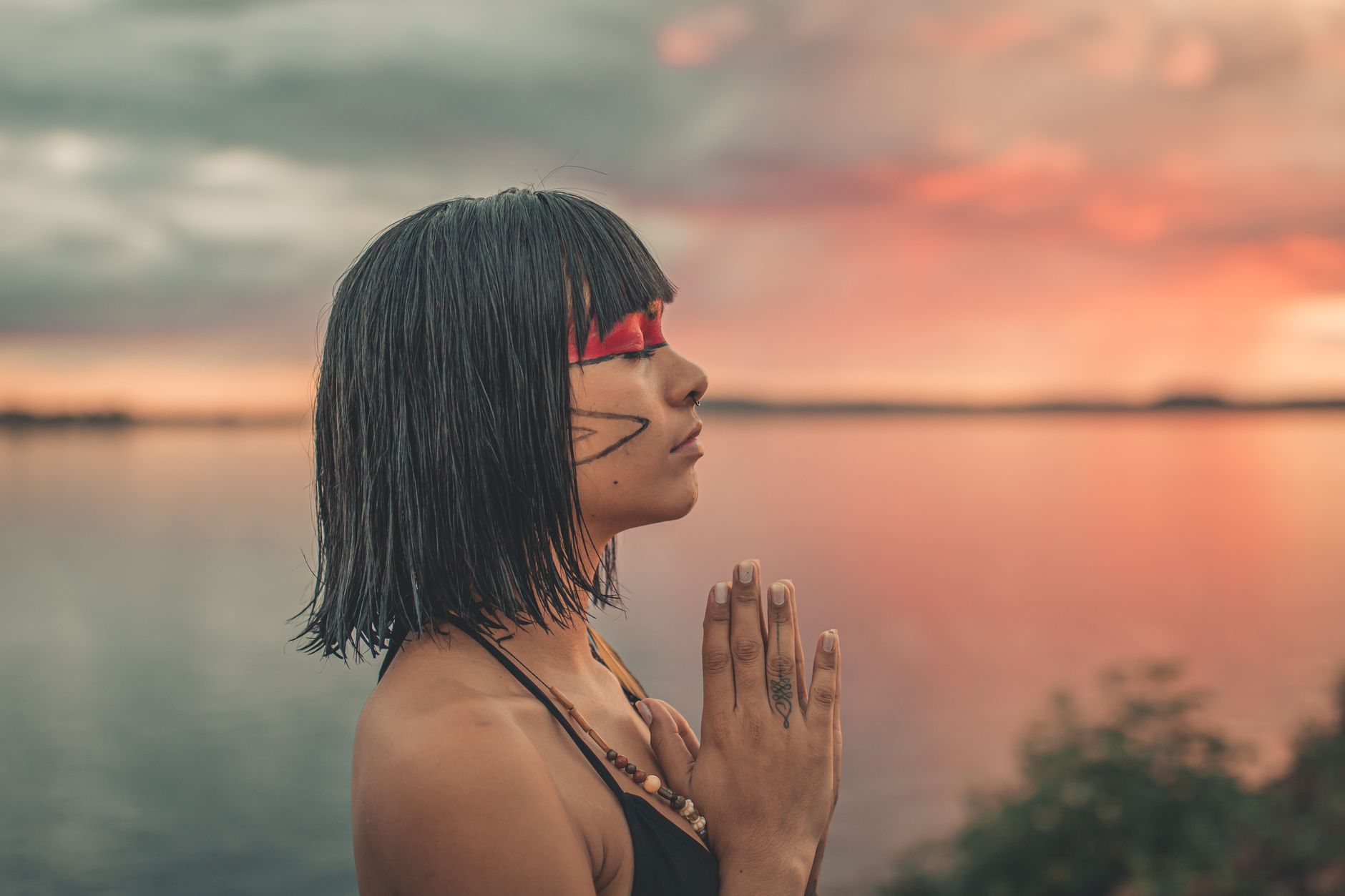
What strikes me most is how differently each culture approaches the same water. Some bathe. Some scatter ashes. Some simply sit. The ritual varies, but the posture is identical: humility before something larger than the self.
The Experience
Arrive at Manasarovar before sunrise and you will understand why pilgrims walk for weeks to reach it. The cold hits your face first—thin air, sharp and metallic. Then the silence. Not the absence of sound, but a presence. Prayer flags snap in the wind, and a single bell from a distant monastery carries across the water. The lake itself shifts from black to deep blue to a pale turquoise as the sun climbs, and you realize you have been holding your breath.
At Pushkar, the sensory world is louder. Bells clash, priests chant, and the ghats are slick with water and flower petals. The air smells of ghee, incense, and something older—wood smoke and river mud. You descend barefoot, and the stone is cool and uneven beneath your feet. The water is not pristine. It is alive. That distinction matters more than you might think.
Titicaca offers something different again. On the floating islands, the reeds creak softly underfoot, and the altitude leaves you slightly breathless. The water is impossibly blue, almost indifferent in its beauty. Children paddle past in reed boats, and an elder tells you, without irony, that the lake is their mother. You do not doubt it.
Each lake asks the same question in a different language: can you receive without grasping?
Have you ever stood beside water that felt aware of you?
Who It’s For
This journey is for the traveller who is willing to be uncomfortable. Sacred lakes are not resorts. The altitude at Manasarovar will humble you. The crowds at Pushkar will test your patience. The cold water will remind you that your body is not a machine. If you can hold curiosity alongside discomfort, these places will open in ways that no guided tour can manufacture.
It is also for the traveller who understands that respect is not optional. You are a guest at someone else’s altar. Learn the customs before you arrive. Ask before you photograph. Remove your shoes without being told. The lake does not owe you an experience—you owe it your attention.
And it is for the seeker who has grown tired of seeking. If you have collected enough spiritual experiences to fill a shelf of journals and still feel hollow, a sacred lake may offer something your books cannot. Not more information. Less noise.
Who It’s NOT For
Let me be honest with you. This is not for the traveller who needs comfort at every turn. There are no heated towels at the edge of Manasarovar. The accommodation near many of these lakes is basic, the food is simple, and the altitude or the heat or the crowds will find your limits. If you need a spa and a schedule, choose a different pilgrimage.
It is also not for the person who treats sacred sites as photo backdrops. If you cannot imagine standing in line for hours without complaint, or sitting in silence for an afternoon without reaching for your phone, you will find these places frustrating rather than transformative. The lake will not perform for you.
And it is not for anyone who cannot accept that some waters are closed to outsiders. Rakshastal is not a tourist site. Certain shrines at Pushkar are off-limits to non-Hindus. These boundaries are not obstacles to your experience—they are part of the teaching.
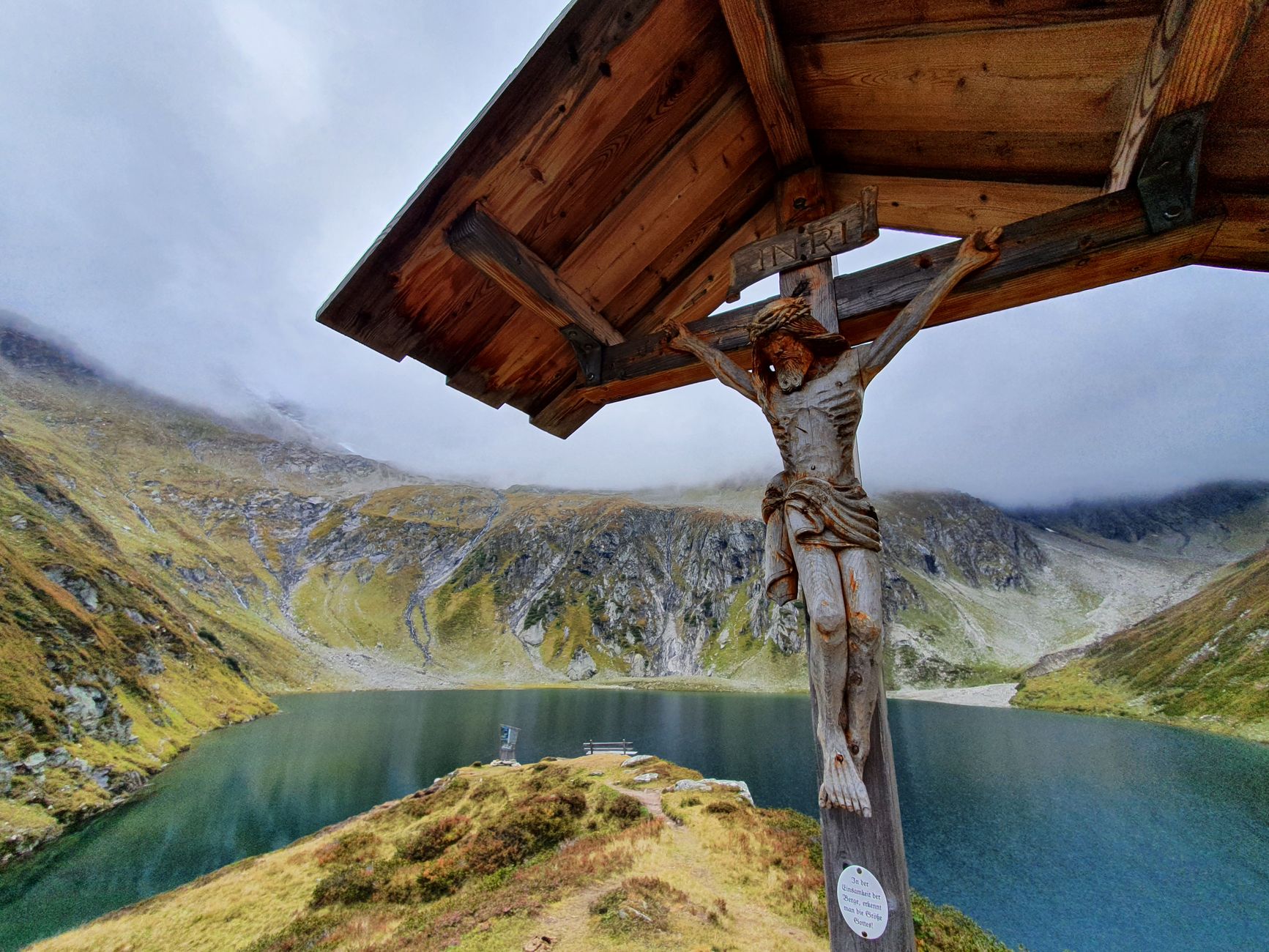
A Profound Insight
Here is a counter-intuitive thought: the sacredness of these lakes has very little to do with the water itself. It lives in the attention that generations of people have brought to it. Water is water. But water that has been approached with reverence for thousands of years begins to carry something else—a weight of intention that you can feel in your chest before you can explain it.
This means the sacred is not a property of the lake. It is a relationship. And relationships require reciprocity. You cannot simply arrive, take your photograph, and leave unchanged. The lake asks something of you: your presence, your patience, your willingness to be small.
The insight worth carrying home is this: any place can become sacred if you approach it with the same attention. Your kitchen sink. The tree outside your window. The ordinary water in your glass. The pilgrims at Manasarovar are not doing something you cannot do. They are simply doing it more deliberately.
- Research local customs and dress codes before visiting any sacred lake—respect opens doors that ignorance closes.
- Arrive at dawn, when the light is soft and the crowds are thin; the lake is most itself in the early hours.
- Carry a small offering—flowers, a candle, a few coins—and ask a local how to present it properly.
- Build in a full day of rest before and after any high-altitude lake; your body needs time to adjust.
- Leave your phone in your bag for at least one hour. Let the water be the only thing you look at.
Sacred lakes do not demand belief. They ask for attention. Stand at the edge long enough, and the boundary between you and the water begins to soften. This is not mysticism. It is simply what happens when a human being stops trying to consume an experience and allows themselves to be held by it instead. Go gently. Go slowly. And when you return home, remember that the lake is still there—not just in Tibet or Peru or India, but in the way you choose to meet the world each morning. The water remembers. So, perhaps, will you.