Sacred Sites and the Art of Slow Pilgrimage
“The journey itself is the destination, yet the destination is a mirror for the journey.”
Historical Context
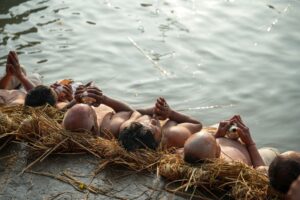
Pilgrimage is older than memory. Before maps, before written scripture, humans walked toward mountains, springs, and stone circles, sensing something vast in the earth’s folds. Sacred sites are not merely old buildings; they are geological and psychological anchors, places where civilizations deposited their grief, gratitude, and unanswered questions. From the pre-dawn chants at Varanasi’s ghats to the wind-scoured silence of Machu Picchu, each location carries a layered history of conquest, devotion, and repair. The Incas built atop earlier shrines; Buddhists carved stupas into trading routes; Christians raised cathedrals over pagan wells. This palimpsest is the point. You are not visiting a single moment but a conversation between centuries. Do you feel the weight of that inheritance when you arrive, or does your camera flatten it into a postcard?
The Experience
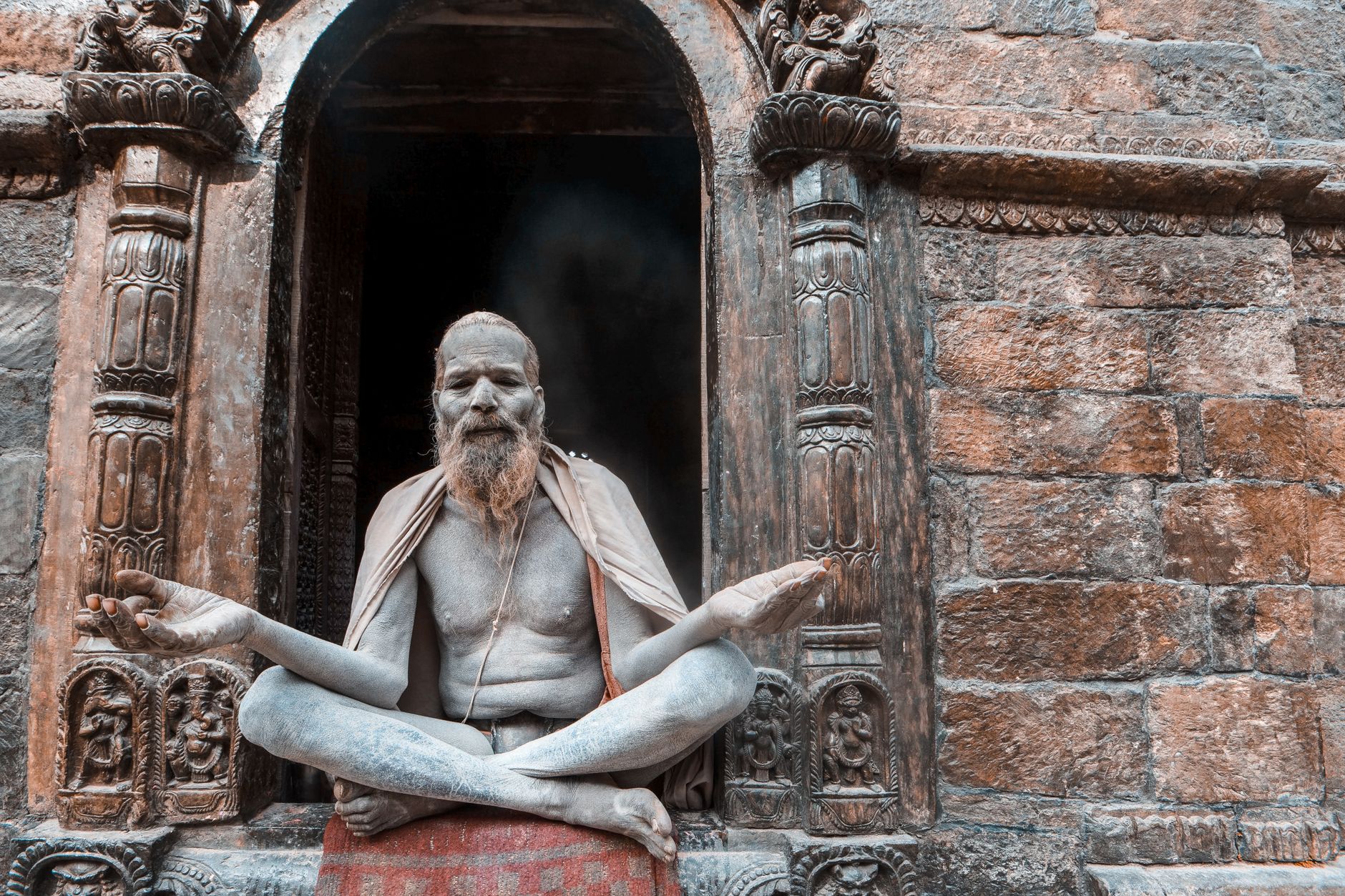
Imagine the cool stone under your bare feet at Angkor Wat, slick from monsoon rain and the oils of a thousand pilgrims before you. The air smells of jasmine incense, wet laterite, and the faint metallic tang of temple bells. Monks in saffron move like slow flames between the colonnades, their robes brushing against bas-reliefs of dancing apsaras. You hear the click of a shutter, then a cough, then the deep resonance of a gong that seems to vibrate not in your ears but in your sternum. At the Dome of the Rock, the light falls in geometric shards through carved screens, painting the carpet with patterns that shift as the sun arcs. Your shoes are off; your head is bare. The hush is not empty but full — full of murmured prayers in Arabic, Hebrew, and English, all converging on the same dusty rock. At the great redwood groves of the Pacific Northwest, which some consider sacred without a single human structure, the ground is springy with millennia of needles. The fog muffles sound until your own breath becomes loud. You feel small, but not diminished. You feel located.
Who It’s For
This journey is for the traveller who has tired of checking boxes. You are the one who lingers after the tour group leaves, who sits on a cracked step and watches a lizard solve the geometry of a wall. You prefer one temple at dawn to five at noon. You carry a journal, not a selfie stick. Sacred sites reward your patience with their quieter registers — the way a particular shaft of light falls at 7:42 AM, the rhythm of a caretaker sweeping the same courtyard for the fortieth year. This is for the person who understands that reverence is a practice, not a feeling. You may not believe in any deity, but you believe in attention. You are willing to be uncomfortable, to sit with the cognitive dissonance of seeing wealth and poverty, faith and superstition, side by side. This is for the slow walker, the one who reads every plaque and then sets the brochure down to simply stand there, letting the place speak in its own tongue.
Who It’s NOT For
This is not for the efficiency traveller. If your itinerary has three countries in six days, sacred sites will feel like obstacles, not invitations. The queues at the Wailing Wall or the crowds at Ubud’s temples will irritate you. The lack of clear signage, the overlapping smells of sweat and frangipani, the beggars at the gate — these will confirm your suspicion that spirituality is a tourist trap. Also, this is not for the person seeking certainty. Sacred sites are ambiguous. They do not offer proof or resolution. A shrine may feel dead to you on Tuesday and alive on Thursday, with no logical explanation. If you need your experiences neatly categorized — either profound or worthless — you will leave frustrated. Finally, this is not for the one who cannot tolerate the presence of other seekers. Yes, the site is crowded. Yes, someone is chewing gum loudly during the meditation. That is part of the teaching. If you cannot let that go, the sacred will remain just another attraction.
A Profound Insight
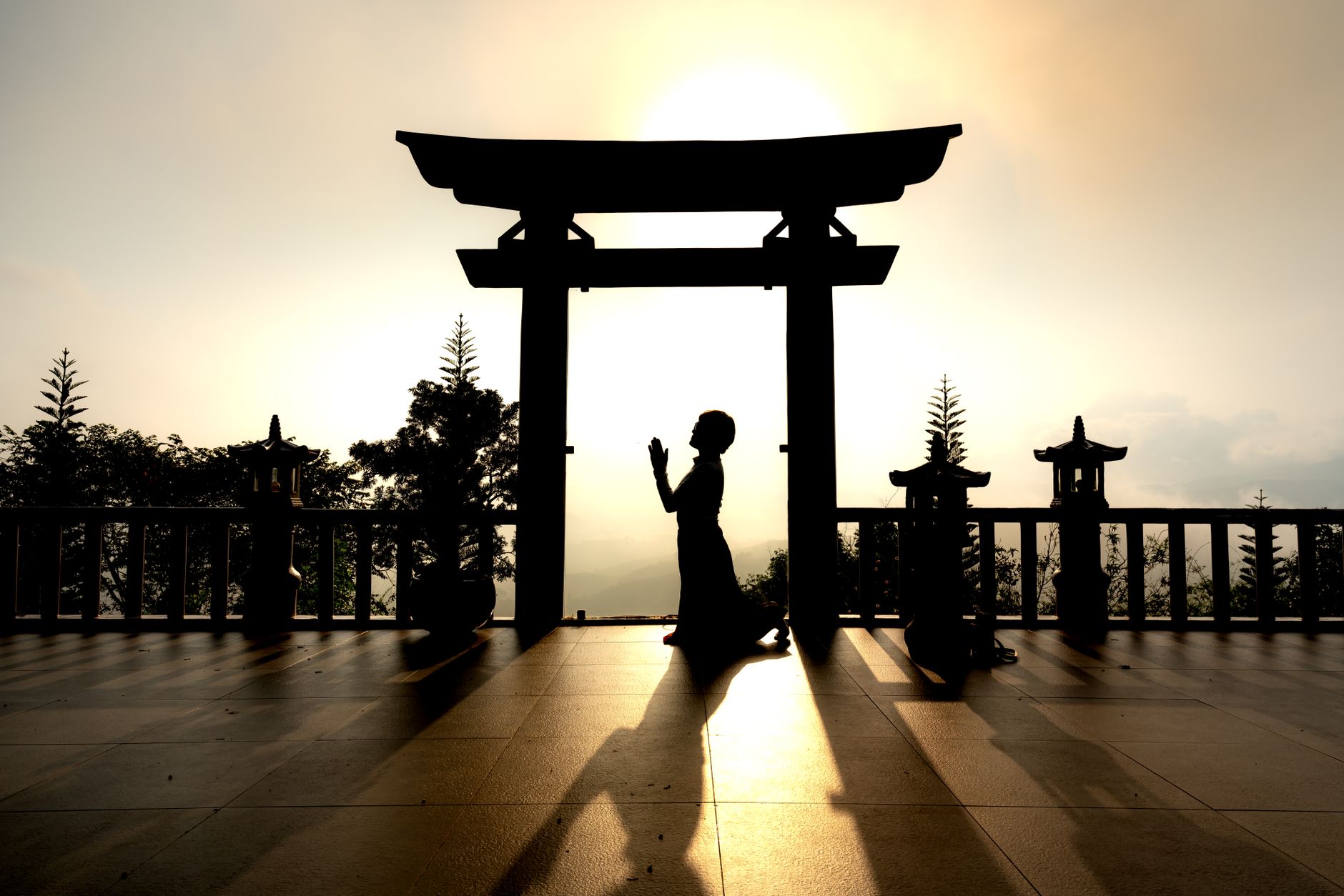
The counter-intuitive truth about sacred sites is this: they are not actually about the place. They are about the threshold. Every temple, mosque, or mountain is a doorway, but the door is not the destination. The real transformation happens in the moment you cross from the secular world of schedules and transactions into a different tempo. You may drive for hours, fly for a day, walk for weeks — and then, at the boundary, you stop. You remove your shoes. You lower your voice. That act of slowing is the pilgrimage. The place itself is almost incidental. I have felt more sacred presence in a forgotten shrine behind a gas station in rural Japan, with one elderly woman sweeping leaves, than in the grand cathedrals of Europe. The insight you carry home is not a photograph or a blessing but a question: *How can I make my ordinary life more like a threshold?* Can you treat your front door as a gate, your morning coffee as a ritual, your commute as a procession? The site shows you what is possible, but the practice is yours to build anywhere.
Conclusion
You will return from these places with dusty feet and a lighter heart, or perhaps with neither. Sacred sites are unreliable teachers; they give what you are ready to receive. Some travellers come home with a new necklace and a sunburn. Others come home with a crack in their armor, a softness where there was once rigidity. The difference is not in the site but in the posture of the seeker. So go, but go slowly. Leave room for the unexpected — the sudden rain that clears the crowd, the old man who offers you a piece of fruit, the moment when you forget to check your phone and simply watch the shadows move. That is the pilgrimage. That is the only souvenir that matters. And when you return, you will find that the sacred was never only there. It was also here, waiting for you to notice all along.