The first thing you notice is not the silence. It is the refrigerator. Somewhere in the retreat kitchen, a compressor hums through the wall, and by the second day you can hear it from your cushion in the meditation hall — a small mechanical heartbeat you never registered at home. Then the birds arrive. Then the blood moving in your ears. Silence, it turns out, is not an absence but a magnification. A lens ground finer with every hour you spend not speaking. I have sat in seven of these retreats across three countries, and each time the world got louder before it got quiet.
“Silence is not the absence of sound. It is the presence of attention.”
Historical Context
Contemplative silence is not a modern wellness invention, though the retreat industry has certainly dressed it in new clothes. The practice runs deep and wide. Christian monastics withdrew to the deserts of Egypt in the fourth century, seeking what the Desert Fathers called hesychia — stillness of the heart. Buddhist practitioners across Asia have long observed noble silence on intensive meditation courses, treating speech as one of the four foundations of mindfulness. The Quakers, since the seventeenth century, have gathered in unprogrammed worship where words arise only from genuine leading, not habit.
What is newer is the packaged retreat: ten days, fixed price, a schedule printed on recycled paper. The Vipassana tradition popularized by S. N. Goenka in the twentieth century brought rigorous ten-day silent courses to laypeople worldwide, and they remain the most widely accessible entry point. Japan’s zazen sesshins, Catholic monasteries that rent spare rooms to seekers of any faith, and the growing number of secular silent weeks in rural Portugal or the Scottish Highlands — all draw from the same well. The forms differ. The well does not.
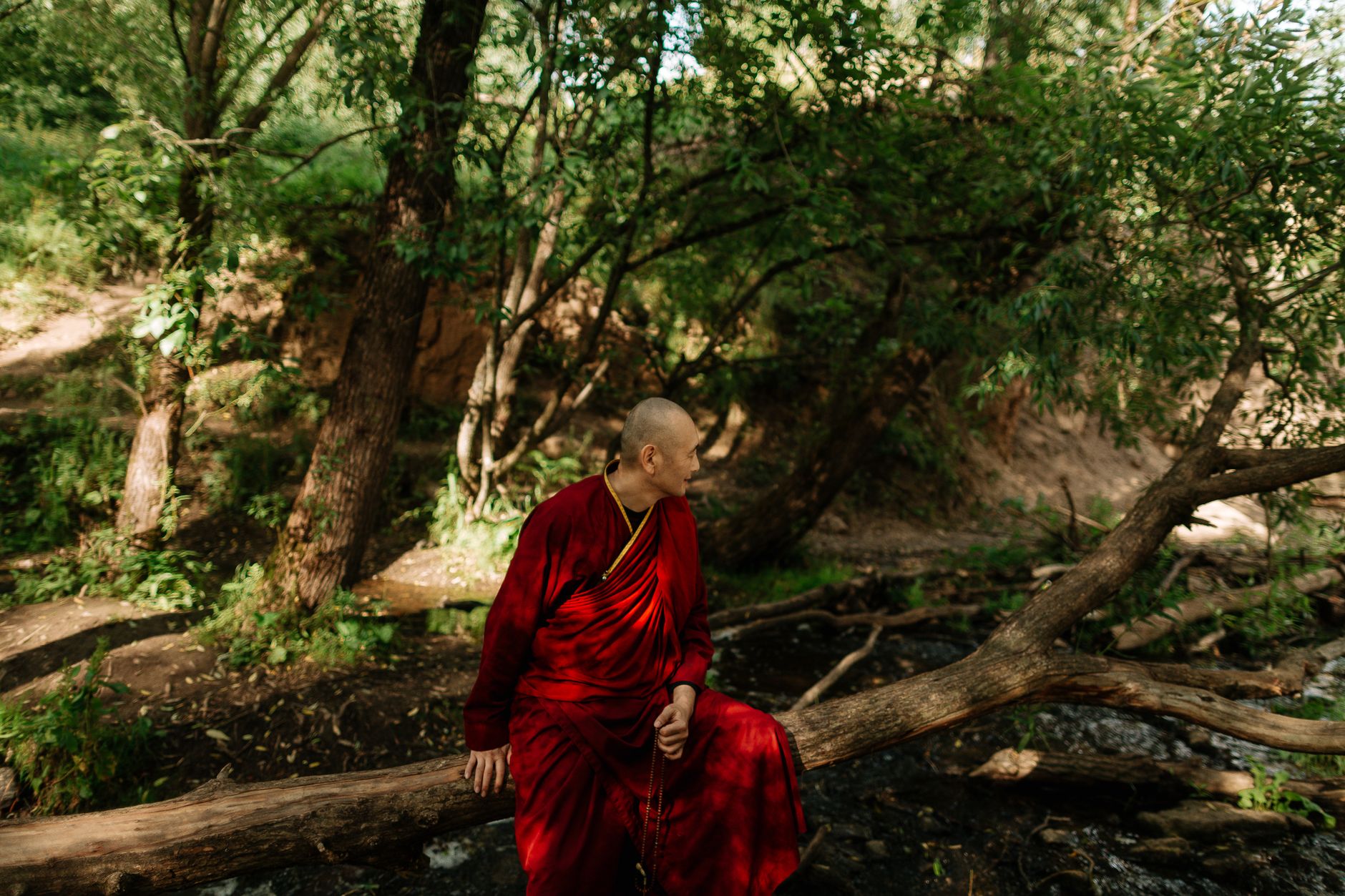
The Experience
Day one is a negotiation with boredom. Your mind, unused to having nowhere to go, produces a frantic itinerary: unfinished emails, a remark you made in 2019, the lyrics to a song you do not even like. You sit. You walk slowly. You eat in silence, and the food tastes strange and enormous.
Something shifts on day three. The schedule becomes a rhythm rather than a cage. You notice the particular creak of the hall door and begin to love it. A fellow retreatant’s cough acquires personality. The bell that marks the sitting sounds different each time — sometimes bright, sometimes like a stone dropped in deep water. You stop narrating your experience and start simply having it, which is a far rarer skill than it sounds.
By day five, the silence has moved inward. Thoughts still come, but they arrive like visitors who know not to stay too long. There is a quality of texture to ordinary moments — the steam off a cup, the weight of your own foot. I have wept on retreats, and I have also laughed alone in a corridor for no reason I could name. Both felt like weather passing through, not identity.
The body speaks more loudly too. Without conversation to buffer it, you feel the tension you carry in your jaw, the shallow habit of your breath, the way you brace against a cold morning. Silence does not fix these things. It simply refuses to let you look away, which is the harder and more useful gift.
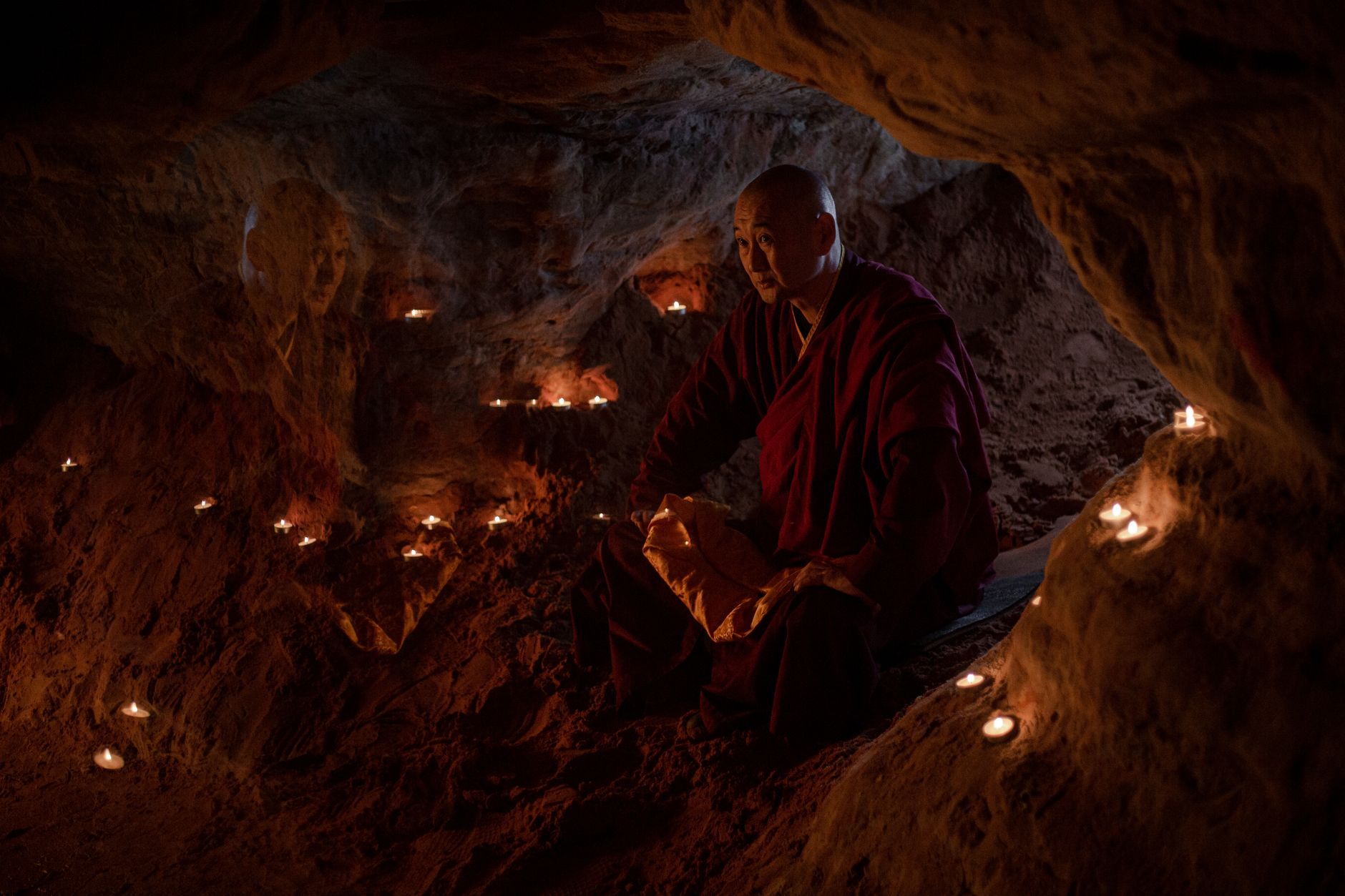
Who It’s For
This is for the traveller who has grown suspicious of their own busyness. You do not need to be a meditator. You do not need to be calm — calm is often the result, not the entrance fee. What you need is a willingness to be uncomfortable for a few days and a curiosity about what remains when the performance of conversation stops.
I have watched first-timers arrive brittle with exhaustion and leave with something soft around the eyes. The retreat serves people in transition especially well: after a loss, before a large decision, at the hinge of a career. It suits introverts, though not exclusively — some of the most devoted silent practitioners I know are talkative souls who simply needed a room where their gift had nowhere to run.
Consider what you are actually booking:
- Choose a retreat with clear, published guidelines — noble silence, phone surrender, and a fixed schedule are the container that makes the silence safe.
- Start with three to five days if it is your first time; ten-day courses are magnificent but demanding, and there is no shame in a shorter first taste.
- Prepare the practicals: arrange caregiving, tell your people you will be unreachable, and bring earplugs for the dormitory, not for the hall.
- Expect the mind to rebel around day two. This is not failure. It is the practice working exactly as intended.
- Leave a full day of open time after you return before resuming work — re-entry is its own discipline, and it deserves gentleness.
Who It’s NOT For
I will be honest, because silence does not flatter. This is not for someone in acute crisis. A retreat is not a substitute for therapy, medical care, or the support of people who love you. Silence can amplify what is already loud, and if what is loud is grief too fresh to hold, or a mind in genuine distress, a structured course may deepen the wound rather than tend it. Good retreat centers screen for this; take their questions seriously and answer honestly.
It is also not for the traveller who wants to be seen doing it. Instagram has discovered silence, and there is a peculiar irony in photographing one’s renunciation. If the appeal is the aesthetic of stillness rather than the encounter with it, you will find the retreat long and the photographs few. And it is not for the person who cannot yet tolerate being alone with their own company — not as a judgment, but as a boundary. Build that tolerance first, in small daily doses. The retreat will still be there.
A Profound Insight
Here is the idea I keep carrying home: silence is not something you go away to find. It is something you clear space for. The retreat does not manufacture quiet — it removes the noise you have been using to avoid it. Which means the transformation is not the ten days on a cushion. It is the first morning back, when the kettle boils and the phone buzzes and you notice, for a breath, the same stillness you found in the hall. That noticing is the whole harvest.
My counter-intuitive conviction: the most important thing you do on a silence retreat is not the sitting. It is the boredom. The unremarkable hours, the nothing-happening, the itch to fill the space — these are where the real work lives. We are a culture that treats emptiness as an emergency to be solved. A retreat is a laboratory for discovering that emptiness is not an emergency at all. It is a room. And you have been standing in the doorway your whole life, afraid to step inside.
So here is the question I would leave with you, the one I ask every student who tells me they are considering a silent week: what are you afraid you might hear if the noise stopped? Sit with that honestly, and you will know whether the retreat is calling you now or later.
The silence, when you finally meet it, is not empty. It is full of everything you brought and everything you have been too busy to notice. It will not make you a different person. It will make you more exactly the person you already are — which is, I have come to believe, the only journey worth taking. Pack light. Leave the phone. And when the refrigerator hums through the wall on the second night, let it be a bell.