The first time I traveled with attention rather than ambition, I was sitting on the cold stone steps of a small temple in Kyoto, doing absolutely nothing. No itinerary. No camera. Just the sound of a broom sweeping gravel and the smell of wet moss after rain. I had spent years collecting countries the way some people collect stamps — pressing them into a passport, counting them at dinner parties. Then, somewhere between the fifth and sixth temple of that morning, something loosened. I stopped trying to arrive. I started noticing. That shift changed the way I move through the world. Mindful travel is not a technique you master in a weekend. It is a quiet returning, again and again, to the place your feet are actually standing.
“The traveler who hurries arrives everywhere and sees nothing. The traveler who pauses arrives nowhere and sees everything.”
Historical Context
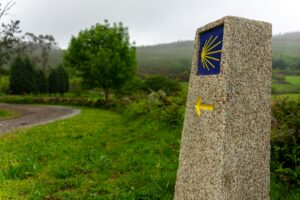
Long before budget airlines and curated itineraries, pilgrimage was the original intentional travel. In India, the practice of yatra — journeying to sacred sites like Varanasi or the Char Dham — was never about the destination alone. The walking was the point. Days of movement stripped away distraction until only presence remained. In Japan, the Shikoku pilgrimage asked travelers to visit eighty-eight temples on foot, a practice rooted in the belief that each step carried its own teaching. Medieval Christian pilgrims walked the Camino de Santiago for similar reasons: to let the body’s rhythm slow the mind enough for something honest to surface.

What all these traditions share is a refusal to separate the journey from the traveler. You did not “do” a pilgrimage. You became a pilgrim. The distinction matters, because it suggests that mindful travel is not an invention of wellness culture. It is older than any of us, and it has always asked the same thing: pay attention, and let the road change you.
The Experience
Mindful travel feels slower than it looks. There is a particular quality of light in a foreign city at six in the morning, when the streets belong to bakers and stray cats and the occasional person walking home from a long night. If you have never seen it, you have missed half of every place you have visited.
The senses sharpen first. You notice the specific weight of a ceramic cup in a Portuguese café, the way the handle fits a thumb. You hear a language you do not understand and stop trying to translate it, letting the sound become music instead of information. Your shoulders drop an inch without your permission. Somewhere in the second or third day, a strange boredom arrives — and if you do not flee from it into a museum or a phone, it opens into something rarer. Curiosity without urgency.
I have sat for an hour in a plaza in Oaxaca watching a woman sell tamales, not because I wanted a tamale, but because her hands moved with a rhythm I found soothing. I have walked the same block three times in Ljubljana because I liked the way the light hit a particular doorway. These are not the stories that make it into photo albums. They are the ones that stay.
And yes — there is discomfort. Mindful travel is not a spa. It asks you to sit with the awkwardness of not knowing, the loneliness of a meal eaten alone, the irritation of a plan that falls apart. Those moments are not obstacles. They are the curriculum.

Who It’s For
This way of traveling suits the person who has grown tired of checking boxes. If you have ever returned from a trip exhausted rather than restored, if your camera roll is full but your memory is thin, if you find yourself googling “best things to do” in a city you are already standing in — this is for you.
It is also for the traveler in transition. The one who has just left a job, ended a relationship, or lost someone. Grief and change both respond well to slowness. A mindful journey gives you space to feel what you have been outrunning, without demanding that you solve it by Tuesday.
And it is for anyone willing to trade a little efficiency for a little aliveness. That trade is almost always worth it.
Who It’s NOT For
Honesty matters here, so let me be direct: this is not for the traveler with three days and a bucket list. If your joy comes from seeing the twelve most famous sights of a city in seventy-two hours, mindfully wandering one neighborhood will feel like a waste, and I do not want to talk you out of your joy.
It is also not for someone who needs structure to feel safe. Mindful travel leaves room for uncertainty, and uncertainty is not a gift for every nervous system. If you are traveling with young children, chronic pain, or a tight budget that requires planning, strict adherence to this approach may add stress rather than remove it.
And it is not for the person looking for a productivity hack. Presence is not a method for getting more out of a trip. It is, in fact, a method for getting less — and finding that less is enough.
A Profound Insight
Here is the counter-intuitive thing I have learned after years of teaching this: the goal of mindful travel is not to be present. It is to notice when you are not, and to return without judgment.
Presence is not a state you achieve and hold. It comes and goes like weather. The practice is not in never drifting — it is in the gentleness of the return. You will lose yourself in a thought about work while standing before a cathedral. You will check your phone at a sunset. That is not failure. That is the practice showing up to be practiced.
Carry that home with you. The person who can return to the breath on a crowded train in Mumbai can return to it in a crowded meeting in Manchester. The traveler who learns to be curious about a wrong turn in Lisbon can learn to be curious about a wrong turn in their own life. Travel becomes a rehearsal for attention, and attention becomes a way of living. That is the insight worth the airfare.
Practical Anchors
If you want somewhere to begin, these four practices have served me and my students well:
- Arrive without a plan for the first three hours. Land, drop your bags, and walk. Let your feet decide the first direction.
- Eat one meal a day without a screen or a book. Just you and the food and whatever the room is doing around you.
- Choose one sense to lead each day. A day of listening. A day of smelling. A day of noticing only textures.
- End each evening with three sentences in a notebook. Not a journal, not a reflection — just three things you noticed. The discipline is in the brevity.
- Build in one unscheduled afternoon per week. Guard it the way you would guard a reservation at a restaurant you have dreamed of for years.
None of these require special gear or a meditation cushion. They require only a willingness to be slightly less efficient than you could be.
So here is my question for you: when was the last time you stood somewhere new and did nothing at all? Not photographing it, not reviewing it, not planning the next stop. Just standing there, letting the place land on you like weather. If you cannot remember, that is not a failure of memory. It is an invitation. The next trip is already waiting. Pack lighter than you think you need to, leave more room in the day than feels reasonable, and let the road do what roads have always done — slow you down until you can finally hear yourself think.