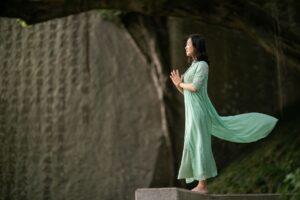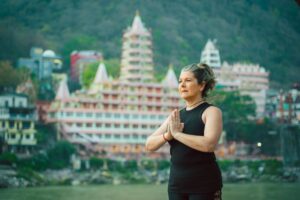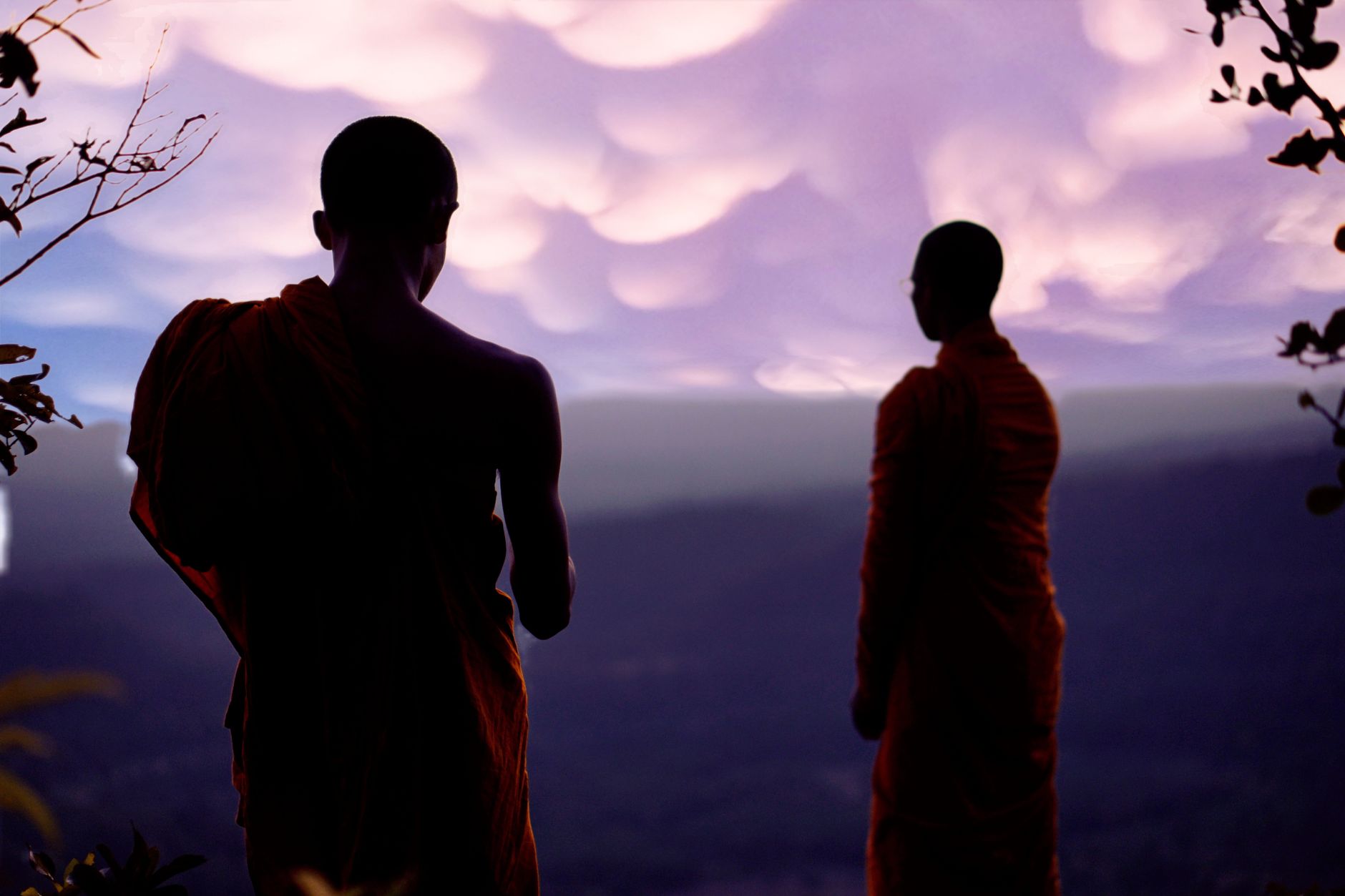
The floor of the meditation hall is cool beneath my bare feet. Forty years of pilgrims have worn it smooth, shuffling toward their cushions before dawn. Outside, a single bell sounds. Inside, nobody moves. I have traveled eleven hours by bus and two on foot to sit in this room and do absolutely nothing. The woman beside me, who walked from a village three valleys away, has come to do the same. We are both, in our own ways, going nowhere. That is the entire point.
“The longest journey is the one that never leaves the room.”
Historical Context
Every culture that has ever built a road has also built a retreat from it. The desert fathers of Egypt withdrew to the scrub in the third century — not to escape the world, but to see it more clearly from a distance. Buddhist monastics formalized the rains retreat, a season of staying put, centuries before anyone thought to call it a “silent meditation getaway.” In India, the ashram tradition gathered seekers around a teacher, and the seeker’s labor was simple: sit, breathe, sweep the floor, repeat.
The modern version of this — the retreat center, the silent week, the mindful residency — is a recent invention wearing old clothes. What changed is access. A merchant in fourteenth-century Kyoto could not book a weekend of vipassana online. A farmer in the Andes could not take ten days off. The inward journey was once the privilege of the ordained or the wealthy. Now, strangely and wonderfully, it is available to anyone with a train ticket and a willingness to be bored.
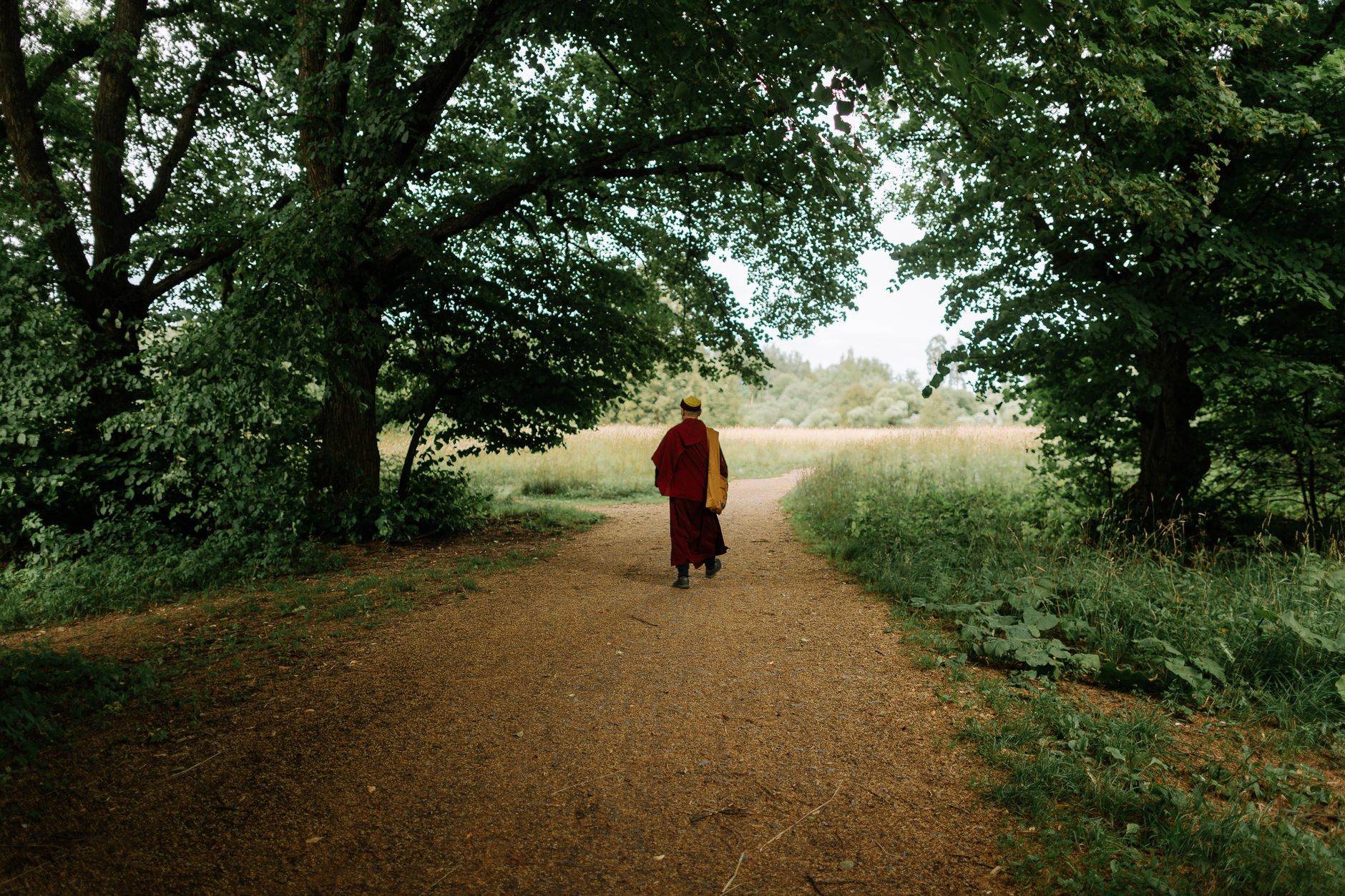
Geography matters less than you might think. I have sat retreat in a converted barn in rural France, in a monastery clinging to a Himalayan ridge, and once, memorably, in a basement in Chicago where the radiator clanked through every sitting. Each place carried its own history into the room. The barn smelled of hay and old timber. The monastery smelled of butter lamps and juniper. The basement smelled of dust and the ghost of someone’s lunch. The tradition travels; the silence does not change.
What these histories share is a suspicion of speed. Every lineage I have studied treats hurry as a symptom, not a virtue. The retreat exists because the ordinary world will not slow down on its own. The human mind, left to its own devices, will fill every gap with noise. So the architecture of the inward journey — the bell, the schedule, the cushion, the vow of silence — becomes a scaffolding built to hold a person still long enough for something to happen. What happens is rarely dramatic. It is more like sediment settling in a glass of cloudy water. You cannot force it. You can only stop stirring.
The Experience
The first day is terrible. Let me be honest about this, because too many accounts skip straight to the bliss. Your knees ache. Your back complains. The person next to you breathes too loudly, and you spend twenty minutes composing an internal complaint about it. You check the clock. You check it again. Time behaves like a stubborn animal and refuses to move.
Then, somewhere around the second afternoon, something shifts. It is not enlightenment. It is closer to the moment a room goes quiet after a refrigerator stops humming — you did not notice the noise until it ceased. The mind’s commentary thins. A fly lands on your wrist and you watch it, genuinely curious, without the usual urge to swat or narrate. The bell rings for lunch and you are surprised, because you thought only ten minutes had passed.
The senses sharpen in odd, specific ways. I remember the exact grain of the wooden floor beneath my walking feet, the way the morning light moved across it in a slow yellow bar. I remember the taste of plain rice, which on the fourth day tasted like the most complicated thing I had ever eaten. I remember the sound of rain on a tin roof, and how it seemed to fall inside my chest as well as outside it.
There is a stage, usually day three or four, that teachers call “the wall.” It arrives as restlessness, grief, or a sudden desperate need to check your phone. This is not failure. The wall is the practice working. Everything you carried in — the unanswered email, the argument from last month, the low hum of worry you had mistaken for background noise — surfaces because you finally stopped moving long enough for it to catch up. You sit with it. You breathe. It passes, or it does not, and either way you learn something about the size of your own weather.
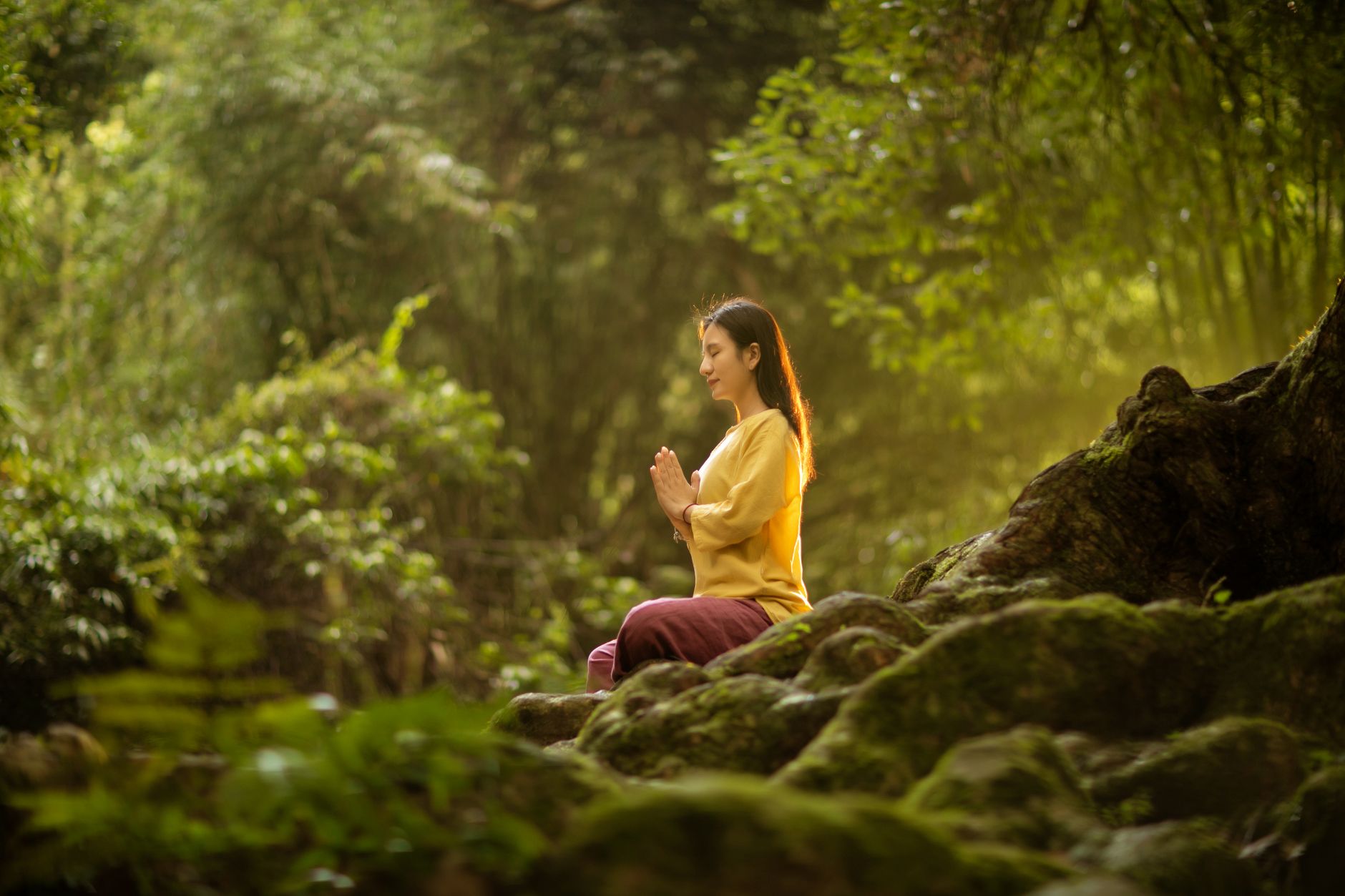
By the final morning, the silence has become companionable. You notice you are no longer counting the days. The bell sounds and you rise without resistance. The hall, the cushion, the worn floor — they have stopped being a place you went to and become a place you are. That is the whole of it. Nothing magical. Just a person, finally at home in the room they are already in.
Who It’s For
This journey serves the traveler who has already done the outer version and found it insufficient. You have stood on the famous viewpoints. You have collected the stamps in your passport. You have taken the photographs that looked better on the screen than in your memory. Somewhere in the middle of all that motion, a small voice asked: is this it? If you have heard that voice, this is for you.
It suits the person willing to be uncomfortable without making it a story. The one who can sit with a sore knee and a racing mind and not immediately reach for distraction. The one who understands that a retreat is not a spa with better marketing. It rewards curiosity over ambition, patience over achievement, and a certain humility — the willingness to discover that you are not, in fact, the most interesting thing in the room.
It also suits the traveler who is grieving, or at a threshold, or simply tired in a way sleep has not fixed. The inward journey does not solve these things. It gives them room. Sometimes that is enough. Sometimes it is everything.
Who It’s NOT For
It is not for anyone in acute crisis. If you are in the grip of severe depression, active addiction, or recent trauma, a silent retreat can be a dangerous place to be alone with your own mind. Many centers screen for this, and their caution is earned. Seek clinical support first. The cushion is not a therapist.
Nor is it for the traveler who needs to be entertained, who measures a trip by the number of sights seen, or who finds silence oppressive rather than spacious. There is no shame in this. A retreat is a specific tool for a specific purpose, and not every hand needs that tool. If your idea of a good journey involves a market, a museum, and a good meal, take that journey with my blessing. It is a fine way to travel.
And it is not for the person who wants to arrive somewhere. There is no destination here, no certificate, no summit photograph. The reward is the absence of reward. That is a hard sell, and I will not pretend otherwise.
A Profound Insight
Here is the counter-intuitive thing I have come to believe after years of both kinds of travel: the inward journey is not a withdrawal from the world but a more complete entry into it. The retreat is not the opposite of the journey. It is the tuning fork that makes the rest of the journey sing in key.
When you return — to the bus station, the airport, the crowded market, the noisy street — you carry a quieter instrument. The sights are sharper. The conversations are fuller. You notice the woman selling oranges with the same attention you gave the fly on your wrist. The world has not changed. Your capacity to meet it has. That is the insight worth carrying home: stillness is not the absence of movement. It is the ground movement stands on.
And so the practice continues off the cushion. A single conscious breath before you open an email. A pause at the threshold of a door. The deliberate choice to walk rather than scroll. These small returns are the real pilgrimage, repeated daily, in whatever room you happen to be in. Where are you going, and who is the one traveling? Sit with that question long enough and the answer stops mattering. The asking becomes the practice.
- Choose a retreat with a clear lineage and a teacher you can speak with, not just a beautiful listing.
- Arrive early and leave a buffer day afterward — reintegration is part of the practice.
- Leave the phone behind entirely, or surrender it at the door; half-measures defeat the purpose.
- Expect discomfort and do not treat it as a sign you are doing it wrong.
- Screen honestly for mental health concerns before booking; ask the center what support they offer.
The bell in that old hall still sounds in my memory, though I have not returned in years. I hear it now and then — on a crowded train, in the pause before sleep — and it asks the same question it always asked. I do not always have an answer. But I have learned to sit with the question, which is, I think, the closest thing to arrival any of us gets. The road inward has no end. It only has a next breath, and then another. Take the next one slowly. You are already there.