The air at four thousand metres tastes of iron and old snow. I remember standing on a switchback below Kailash at first light, breath clouding, fingers numb inside wool gloves, listening to a Tibetan pilgrim beside me murmur a mantra I didn’t recognise. He had walked for weeks to reach this place. I had taken a jeep. That difference hummed between us, a quiet lesson I’ve carried ever since. Mountains like these are not destinations in the ordinary sense. They are thresholds. You do not conquer them. You arrive, and something in you rearranges itself. Over years of guiding travellers toward high places, I’ve learned that the sacred mountains worth visiting ask more than stamina. They ask attention.
“The mountain does not need your summit. It needs your stillness.”
Historical Context
Sacred mountains appear in nearly every spiritual tradition, though the reasons differ beautifully. In the Hindu and Buddhist worlds, Mount Kailash in western Tibet sits at the axis of the cosmos, unclimbed and revered by four religions at once. Pilgrims circle it on foot, a thirty-two mile kora that takes three days for the fit and longer for everyone honest. In Japan, the Shugendo tradition turned Mount Fuji and the Dewa Sanzan into stages of spiritual death and rebirth. The Himalayas hold countless peaks where monasteries cling to rock like lichen. In Peru, the Quechua people address the Apus, mountain spirits, as living elders. What unites these places is not a single theology. It is the human instinct to look upward and feel small, and to find that smallness liberating rather than diminishing.
The patterns repeat across continents with startling consistency. Pilgrims arrive, circumambulate, offer something, and leave lighter. Some traditions prescribe physical austerities. Others simply ask for silence. The mountain absorbs it all with the same indifference. Consider what that indifference means. A peak does not care whether you are devout or doubtful, fit or faltering. It receives every pilgrim the same way, and in that even-handedness there is a strange mercy. No one is turned away for arriving with the wrong intention. The path is open to the sceptic and the saint alike, and both will be changed by the walking.
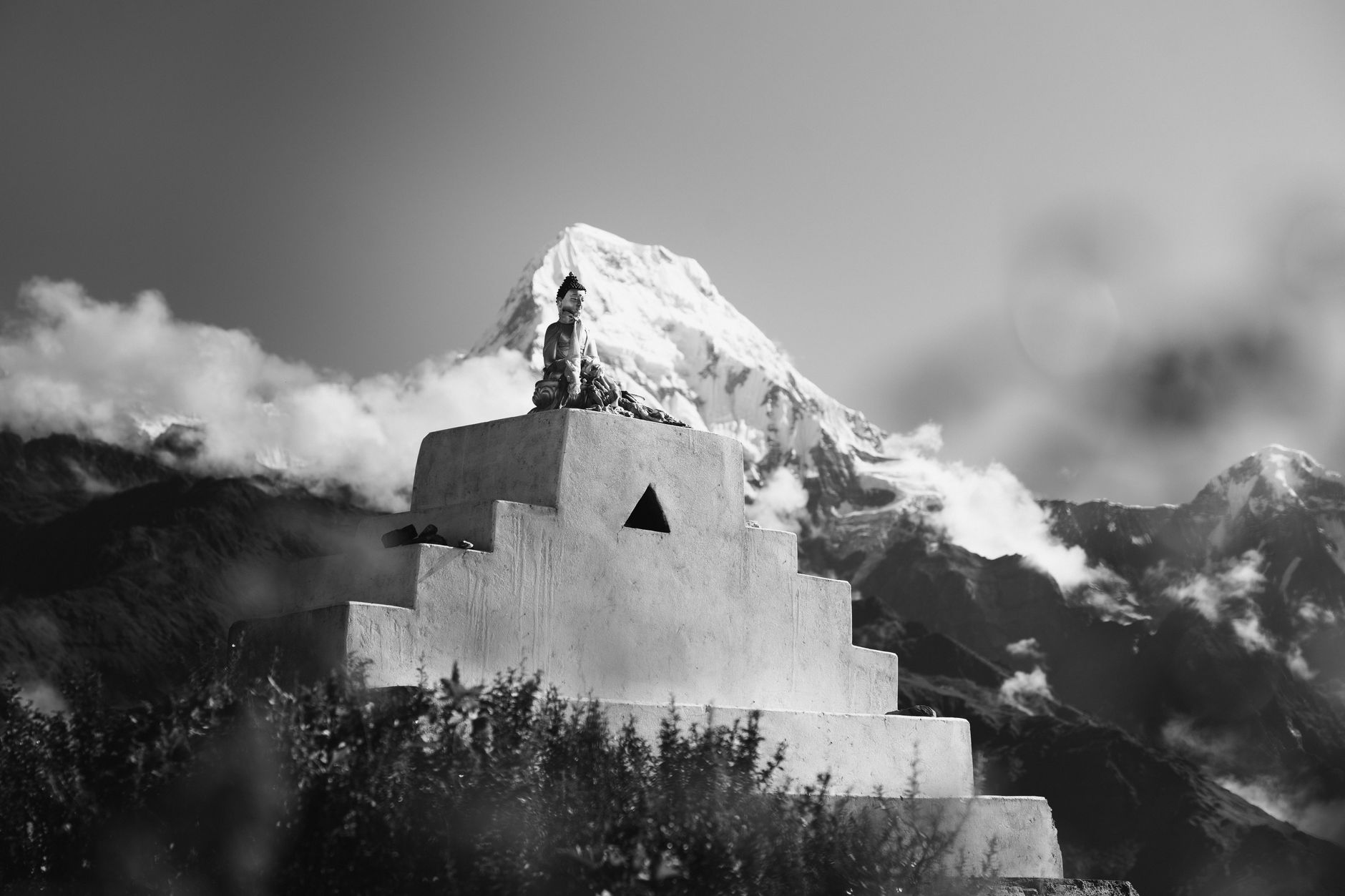
The Experience
What does it actually feel like? Cold, first of all. Thin air that makes stairs into adversaries. Wind that finds every gap in your jacket. Then, slowly, something else. The mind, stripped of its usual distractions, goes quiet in a way meditation apps promise and rarely deliver. On the kora around Kailash, I watched travellers who had never meditated in their lives fall into natural rhythm with the pilgrims beside them. Footstep, breath, footstep, breath. Prayer flags snapping overhead. The smell of juniper smoke. A stone cairn where someone left a photograph of a grandmother. You notice details because there is nothing else to notice. The mountain edits you.
Altitude teaches humility in ways no teacher can. At five thousand metres, a simple task like tying a bootlace becomes a small meditation. You bend. You breathe. You bend again. There is no rushing this. The sacred, I’ve come to believe, is not a place on the mountain. It is the state of attention the mountain makes possible.
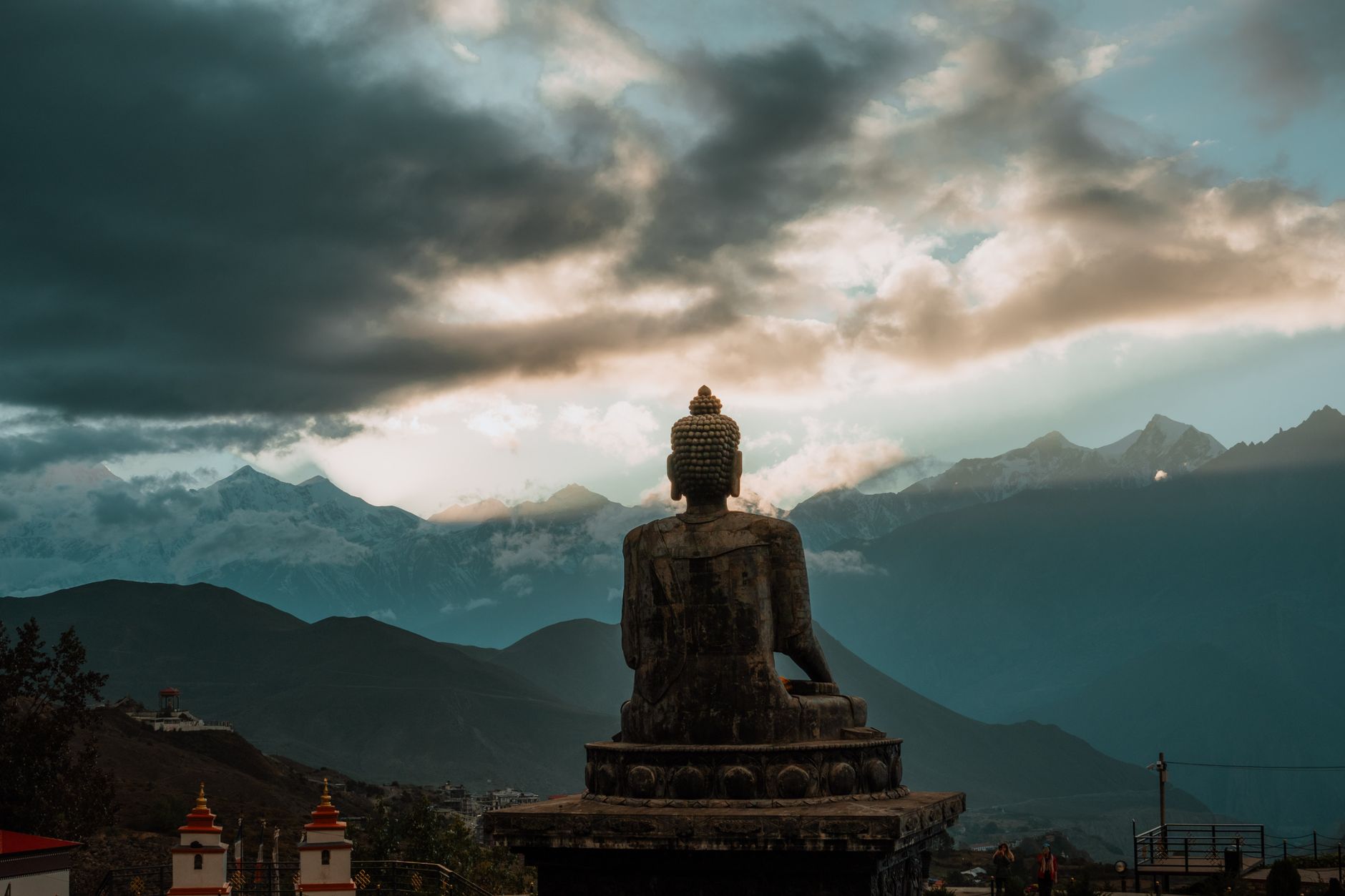
Who It’s For
This kind of travel suits the traveller willing to be uncomfortable and undecided. Someone who can sit with a delayed bus, a cold guesthouse, a meal they didn’t choose. You don’t need to be fit, devout, or experienced. I’ve guided retirees up gentle pilgrim paths and watched them weep at the top. What you need is patience. A willingness to walk slowly. An openness to ritual you don’t fully understand. If you can bow at a shrine without needing to know exactly what it means, these mountains will welcome you. The best candidates are curious, unhurried, and lightly packed, literally and otherwise.
There is another quality worth naming. Call it a tolerance for not knowing. The pilgrim who needs every step explained, every ritual decoded, will spend the whole journey in their head. The one who can stand before a shrine in honest confusion and simply stay put, breathing, will receive something the expert misses. Sacred places reward the beginner’s mind. They reward the traveller who is willing to be a guest rather than an authority, and who can accept hospitality without needing to repay it perfectly.
Who It’s NOT For
Here is the honest boundary. If you need guaranteed comfort, reliable Wi-Fi, and a clear itinerary, sacred mountains will frustrate you. If you’re collecting summits for their own sake, you’ll miss the point entirely. And if you’re seeking a spiritual high, a dramatic personal transformation on schedule, the mountain will likely refuse you. Altitude sickness does not respect your intentions. Weather closes passes without asking permission. Some travellers arrive expecting enlightenment and leave with a headache and a new appreciation for oxygen. That is not failure. But it is not the journey you might have imagined. Come with expectations this specific, and you will be disappointed.
Let me be plainer still. The person who treats the mountain as a backdrop for photographs will return with photographs. The person who treats it as an obstacle to beat will return exhausted and oddly empty. Neither is a moral failing. It is simply that these places do not perform on demand. They give what they give, on their own terms, and the terms are never negotiable.
A Profound Insight
Here is the counter-intuitive truth I’ve come to hold: the mountain is not the destination. The mountain is the mirror. You climb, or rather you walk, and everything you carry rises to the surface. Impatience. Grief. The need to be seen. The fear of stopping. The mountain reflects it all back without judgment, and slowly, with each step, you set some of it down. The pilgrimage is not toward the peak. It is toward the version of yourself that no longer needs to reach one. This is the idea worth carrying home. Not the photographs. The lighter pack.
So what is the practice? It is simple and it is difficult. Walk slower than you think you should. Let the pilgrim ahead of you set the pace. Notice the wind, the cold, the small kindness of a stranger offering tea. Ask yourself, on the second day, whether you are still walking toward something or have begun walking with it. And ask one more question, the one that matters most: what would you set down right now, if the mountain asked you to?
- Choose a mountain that matches your body, not your ego — a gentle pilgrim path can be as potent as a famous peak.
- Learn three words of the local language before you arrive; greeting a pilgrim in their tongue opens doors no guidebook can.
- Build in a rest day at altitude before the main walk; acclimatisation is respect, not weakness.
- Carry less than you think you need, and leave room for what the journey gives you.
- Walk the descent as mindfully as the ascent — the return is where the lessons settle.
Sacred mountains do not promise answers. They offer something better: space to ask your own questions without the noise of ordinary life pressing in. Whether you find yourself circling Kailash, climbing Fuji’s ancient trail, or resting beneath a smaller, unnamed peak that calls to you, the invitation is the same. Come slowly. Come open. Come willing to be changed by something you cannot control. The mountain will meet you exactly where you are. And then, if you let it, it will walk you a little further.