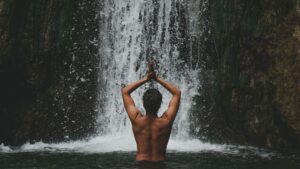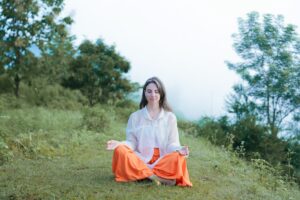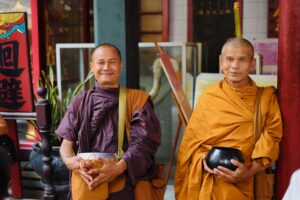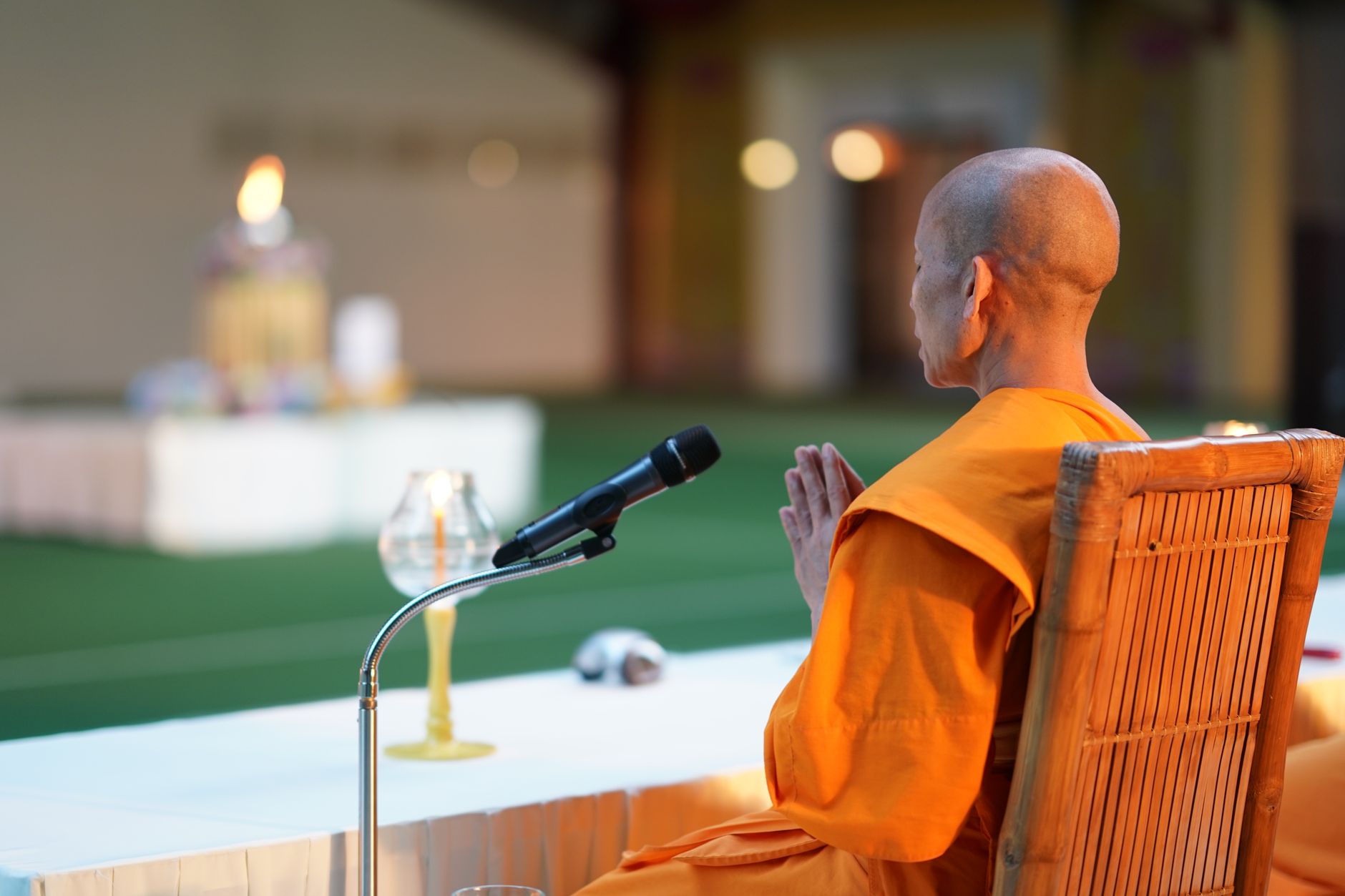
The bell rings once, and the courtyard goes silent. I am sitting on cold stone in a monastery in Kyoto at four in the morning, and I have never felt more awake. Not from coffee, not from adrenaline — from the simple shock of a place that refuses to move at my speed. Travel loosens the seams of who we think we are. Some destinations do more. They quietly rearrange the furniture of the mind and leave us to find our way across the room in the dark. This is a piece about those places.
“You do not travel to see the world. You travel to be seen by it.”
Historical Context
Perspective-shifting travel is not a modern invention, though we market it as one. The idea runs through the history of pilgrimage itself. For over a thousand years, seekers walked the Camino de Santiago, the Kumbh Mela circuits of India, the Shikoku henro of Japan — not to collect experiences but to be undone by them. The medieval pilgrim sold possessions before setting out. That detail matters. You cannot carry your old life on your back and expect to arrive as someone new.
Consider the Shikoku pilgrimage. It circles eighty-eight temples across roughly twelve hundred kilometres, tied to the monk Kūkai, who walked these paths in the ninth century. Pilgrims wear white and carry a staff said to hold his presence. The route has been walked nearly without interruption for more than a millennium. What survived is not the scenery. It is the structure — the rhythm of arrival and departure, the humility of asking for directions, the strange gift of being a stranger.
Then there is the desert. The Sinai, the Sahara, the high plateaus of Bolivia. Traditions across cultures send people into emptiness on purpose. The desert strips away the noise that convinces us we are important. Monks in the Egyptian desert fled cities in the fourth century for exactly this reason. They wanted to lose the audience. Travel, at its oldest, was never about being seen. It was about being emptied.
So many perspective-shifting places are hard to reach, and I find that telling. The difficulty is not an accident of geography. It is part of the teaching. The body arrives tired, and the tired body is a more honest one.
The Experience
Let me tell you what it actually feels like. Not the brochure version.
On the first morning at the monastery, the cold seeps through the cushion within minutes. Your knees complain. Your mind runs a loud commentary about breakfast. Then, somewhere around the third round of sitting, something softens. The commentary thins out. You begin to hear the rain on the roof tiles as a single continuous sound rather than a thousand separate drops. This is not mystical. It is attention, finally permitted to land.
The walking days on Shikoku feel different. Each step is a small negotiation with the road. Your feet blister and heal. Strangers offer oranges and a place to sit. You learn that hospitality does not require language. By the second week, you stop checking how far you have come. The map loses its grip on you. You are no longer a tourist measuring progress. You are a body moving through weather, and the weather is in charge.
Deserts teach through scale. Stand in the Atacama at dusk and the horizon does something your eyes cannot quite accept — it keeps going, and going, and the sky turns colours you have no name for. You feel small. Not diminished. Small the way a single note is small within a symphony. The ego does not enjoy this. The rest of you exhales.
There is a moment on every such journey when the mind stops narrating and simply receives. I cannot manufacture it. I can only arrange the conditions and wait. That waiting is the practice.
Who It’s For
This kind of travel serves the person who has already seen the postcard and found it insufficient. You have done the beach resorts. You have taken the photographs that look like everyone else’s photographs. Something in you is hungry for a place that will not flatter you.
It is for the traveller willing to be a beginner. The one who can accept a cold room, a language they do not speak, a schedule set by bells rather than notifications. Curiosity must be stronger than comfort. Patience must outlast the first wave of discomfort, which arrives reliably around day two and lies to you about everything.
It is also, I think, for anyone at a threshold. A career ending. A relationship changing shape. A question you have been carrying for years and cannot answer from your current vantage point. These places do not solve the question. They change the angle from which you ask it, and sometimes that is enough.
Who It’s NOT For
Honesty requires a boundary here, and I will draw it firmly.
This is not for the traveller who needs predictability, a soft bed, and a clear itinerary. Nothing wrong with that — it simply describes a different journey. Perspective-shifting places are inconvenient by design. Buses are late. Food is unfamiliar. Silence can feel oppressive before it feels liberating, and you may spend several days in the oppressive phase wondering why you came.
Nor is it for the person seeking a quick transformation. The ego is remarkably good at surviving a week of meditation and returning home with a new identity to perform. If you want a guaranteed return on your investment, book something else. These places do not honour contracts. They honour attention, and only when it is offered.
And it is not for anyone in acute crisis who needs care, not challenge. There is a time for the desert and a time for the clinic. Wisdom is knowing which season you are in.
A Profound Insight
Here is the idea I keep returning to, and it runs against the grain of how most of us travel.
The places that change us are not the ones that impress us. They are the ones that inconvenience us — the ones that strip away the scaffolding of routine and leave us standing in something raw. We tend to believe transformation comes from beauty, from awe, from the grand vista. My experience says otherwise. Awe is lovely, but it passes. What remains is the small, unglamorous adjustment the place demanded of us. The cold floor. The wrong language. The long wait.
Counter-intuitive as it sounds, I have come to distrust the trips that felt effortless. The ones that felt like a reward taught me little. The ones that asked something of me — patience, humility, a willingness to be lost — left marks I still find years later. Perspective is not something a place hands you. It is something you grow by being pried open.
So the question I would leave with you is this: when did a place last ask something of you that you were not sure you could give?
Carry that question home. It is more useful than any souvenir.
If you are ready to plan such a journey, begin with these principles:
- Choose a place with a rhythm older than your own — a pilgrimage route, a monastery, a desert, a mountain village.
- Stay longer than feels efficient. Depth arrives after the novelty leaves.
- Leave room in the itinerary for discomfort and for the unexpected kindness of strangers.
- Travel with a question, not an expectation. The question will do the work.
- Return slowly. Give yourself days, not hours, to integrate what shifted.
The bell rang again that morning in Kyoto, and the courtyard emptied into the ordinary world. I walked back to my room and noticed that I was not the same person who had sat down. Nothing dramatic. Just a slight loosening, like a knot giving way. That is how perspective changes, I have learned — quietly, one bell at a time, in places that ask us to stop performing and simply be present.