The suitcase sits open on the floor, and already you feel the weight of it. Not the weight of clothes or books or the small bottles of shampoo, but the weight of expectation. We pack our itineraries the way we pack our fears — tightly, with no room to breathe. Somewhere between the flight confirmation and the hotel review, we forget that travel was once a pilgrimage, a deliberate leaving of the known. To travel with intention is to remember that the journey begins long before the wheels lift from the runway. It begins in the quiet moment when you ask yourself not where you are going, but why.
“The real voyage of discovery consists not in seeking new landscapes, but in having new eyes.” — Marcel Proust
Historical Context
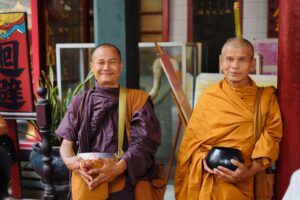
Long before the package tour and the budget airline, travel was sacred. In ancient Greece, pilgrims walked to Delphi to consult the oracle, carrying little more than a question. In India, the tirtha — a crossing place — was not merely a geographical site but a threshold between the mundane and the divine. The wanderer, or sannyasi, renounced home not to escape but to see clearly. Medieval Christians walked the Camino de Santiago with a scallop shell and a staff, and the Japanese poet Basho wandered the narrow roads of the north, writing haiku as he went. Every tradition understood the same truth: the outer journey mirrors the inner one. You do not travel to collect places. You travel to be changed by them.
What we call “mindful travel” is not a modern invention. It is a return. The Grand Tour of the eighteenth century, for all its privilege, was built on the idea that exposure to other cultures could refine the soul. The Beat poets of the 1950s drove across America in search of a raw, unfiltered experience. And the hippie trail of the 1960s and 70s, however romanticized, carried a genuine hunger for something the West had lost. Each generation rediscovers the same longing. The difference now is the speed. We move faster than our ancestors ever did, and we feel less. The intention is to slow down — not to reject the world, but to meet it.

The Experience
Imagine arriving in a town you cannot pronounce. You have no list of must-see sights. You have only a small notebook, a water bottle, and the willingness to get lost. The morning air smells of woodsmoke and rain on stone. A woman sells figs from a cart, and you buy three, not because you are hungry but because her hands are weathered and kind. You sit on a step and eat one slowly. The juice runs down your wrist. You do not wipe it away. This is the texture of intentional travel — not efficiency, but presence.
Later, you walk without a destination. You notice how the light falls through a narrow alley, how a cat sleeps on a windowsill, how the church bell rings at an hour you cannot name. You speak less. You listen more. When someone asks where you are from, you answer honestly, but you also ask them about their day, their grandmother, the bread they are carrying. The conversation lasts twenty minutes. You will never see them again. That is the point. Intention does not mean solemnity. It means attention. It means letting the journey unfold at the pace of your own breath.
There is a counter-intuitive truth here: the more you plan, the less you experience. The rigid itinerary becomes a cage. The open day becomes a door. This does not mean abandoning all structure — a loose frame is helpful, especially for the anxious traveller — but it does mean leaving room for the unplanned. The best meal of your trip will likely be the one you stumbled upon because you were hungry and the sign was handwritten. The most meaningful conversation will happen when you are not trying to have one.

Who It’s For
This way of travelling is for the person who is tired of coming home exhausted. For the one who has taken the perfect photograph and felt nothing. For the seeker who suspects that the world is not a backdrop but a teacher. It suits the solo traveller who wants to meet themselves in unfamiliar streets. It suits the couple who want to share silence as well as speech. It suits the parent who wants to show a child that other ways of living are not wrong, only different. It suits anyone willing to trade the checklist for the unknown.
You do not need a meditation practice or a linen wardrobe. You need only a willingness to be a beginner. The intentional traveller packs light — not just in luggage, but in agenda. They carry curiosity instead of certainty. They know that the best moments are often the ones that cannot be photographed: the smell of a bakery at dawn, the sound of a language you do not understand, the feeling of being small and grateful in a vast and generous world.
Who It’s NOT For
And yet, honesty requires a boundary. This approach is not for the traveller who needs to see everything. If your joy comes from checking off the seven wonders, from conquering a city in three days, from the adrenaline of a packed schedule — then intentional travel may feel like a waste of a good flight. It is not for the person who needs constant stimulation, who feels anxious in silence, who equates doing nothing with missing out. It is not for the one who travels primarily to escape themselves. The inner journey is not always comfortable. Sitting with your own thoughts in a foreign café can be more confronting than any museum.
Nor is it for the traveller who cannot tolerate ambiguity. Intentional travel means not knowing where you will eat, what you will see, who you will meet. It means trusting the day. If that sounds like a recipe for misery, then by all means, take the guided tour. There is no shame in it. The goal is not to be a better traveller. The goal is to be a more awake human being — and that can happen on a cruise ship or a package holiday just as easily as on a solo pilgrimage. The method matters less than the mindset.
A Profound Insight
Here is the insight worth carrying home: you are not going anywhere. The place you seek — the peace, the wonder, the sense of aliveness — is not in a distant city or a mountaintop temple. It is in the quality of your attention. Travel does not give you a new self. It reveals the self you already are, stripped of the routines and roles that usually hide it. When you return, the streets will look the same. But you will not. The dishes will still need washing. The emails will still arrive. And yet, if you have travelled with intention, you will find that the sacred is not confined to faraway places. It is here, in the ordinary moment, waiting for you to notice.
This is the paradox: the more you seek, the less you find. The more you let go, the more you receive. Intention is not a technique. It is a posture. It is the decision to walk through the world as if every step mattered — because it does.
- Begin with a question, not an itinerary. Ask yourself what you are truly seeking before you book a single flight.
- Leave room for the unplanned. Schedule no more than half your day. Let the rest unfold.
- Pack light — in luggage and in expectations. The less you carry, the more you can receive.
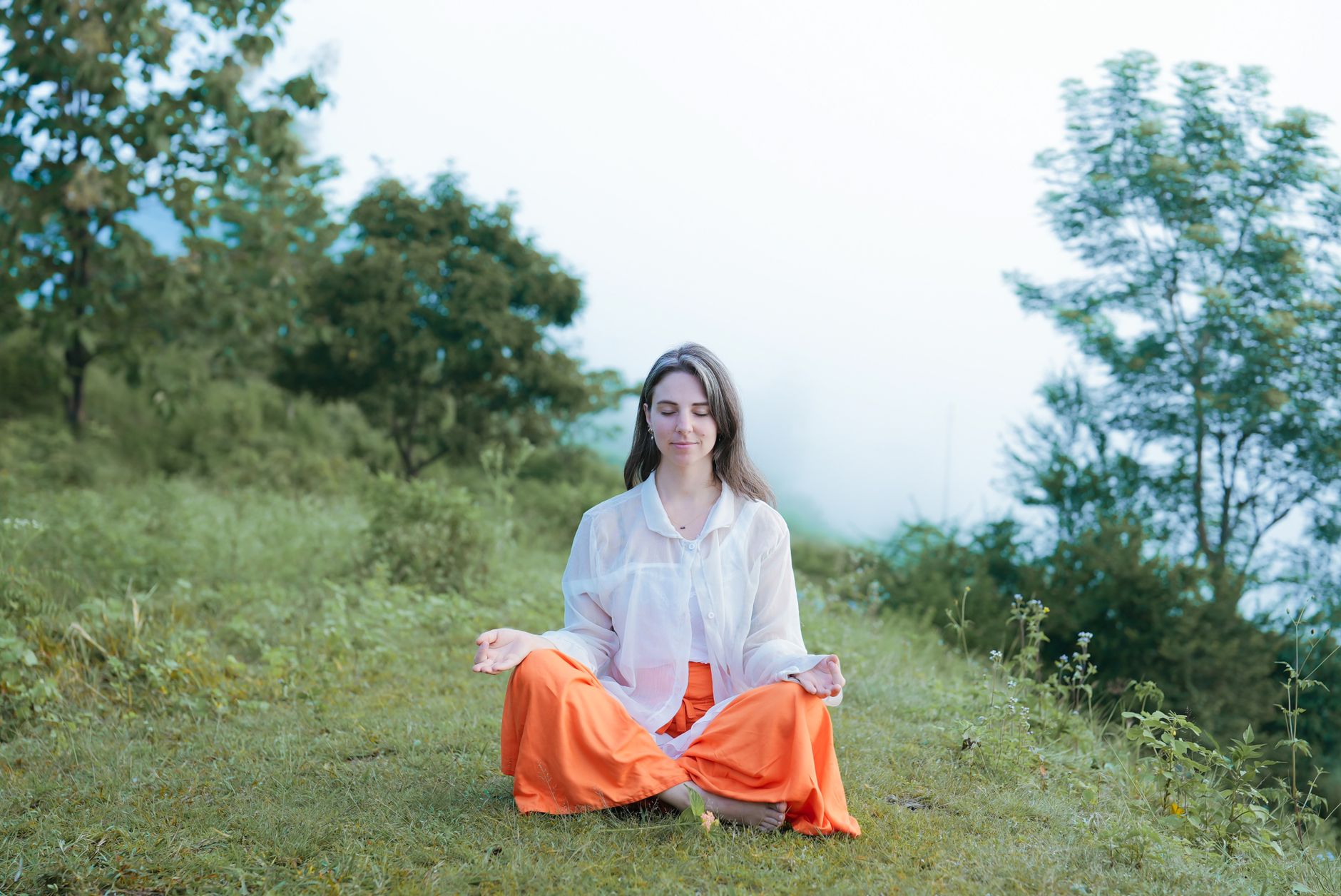
- Practice one daily ritual. A morning tea, a sunset walk, a few lines in a journal. Ritual anchors attention.
- Talk to strangers. The most profound moments often arrive through a simple, unguarded hello.
So go. Not to escape, but to encounter. Not to collect, but to be changed. The world is not a checklist. It is a living, breathing teacher, and every journey — even the one across your own town — can be a pilgrimage if you walk it with an open heart. The suitcase will close. The plane will land. And you will step out into the morning, not as a tourist, but as a traveller of the soul. That is the only destination that matters.