Steam rises from a stone basin carved into the mountainside. Below, a river moves through the valley without hurry. Above, the peaks hold their first snow. You are about to lower yourself into water that has been healing bodies for a thousand years before your body ever arrived. This is not a spa. It is not a resort amenity. It is a living tradition, tended by families who carried it through conquest, colonization, and the quieter violence of being forgotten.
To travel this way is to accept an invitation rather than make a reservation. It asks something of you. It gives something back.
Healing was never a destination. It was a relationship, kept alive by hands that remembered.
Historical Context
The traditions I’m describing are not one tradition. They never were. Across the Andes, the Japanese onsen villages, the Finnish sauna culture, the Maori healing practices of Aotearoa, and the sweat lodges of North America, you find the same premise spoken in a hundred languages: the body knows how to return to balance when given the right conditions. What differs is the method, the cosmology, and the people who hold the knowledge.
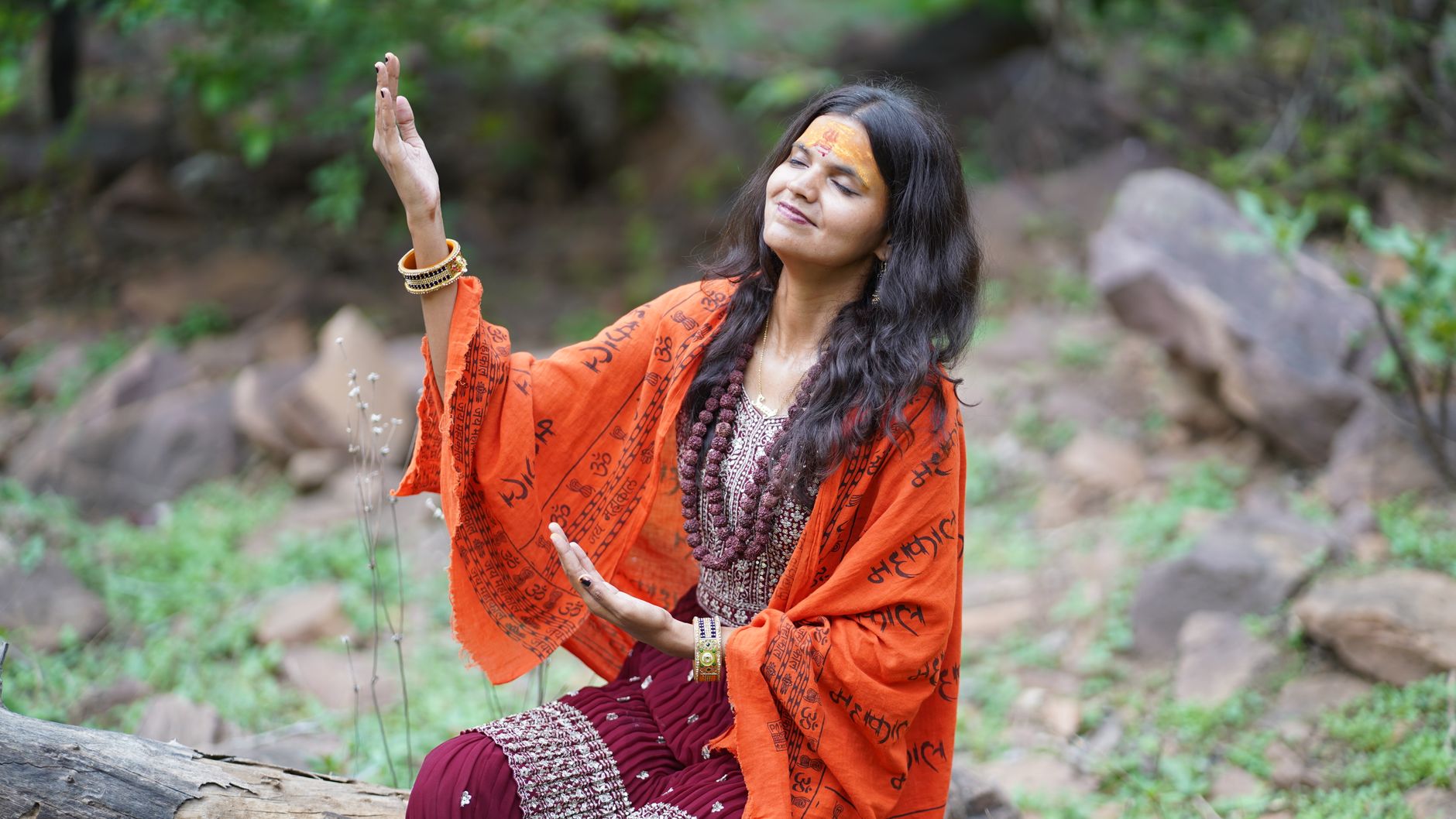
In the Peruvian highlands, the Quechua concept of ayni — sacred reciprocity — governs everything. You give to the earth, the earth gives back. The hot springs near Cusco and in the Colca Valley were used long before the Inca empire codified them into a network of ceremonial baths. Water was not simply warm. It was alive, and entering it was a form of prayer.
In Japan, the rotenburo — outdoor onsen — follows a different logic but arrives at a similar place. Volcanic water, rich in sulfur and minerals, appears in texts dating back over a thousand years. The ritual around it is precise: wash first, enter slowly, do not let your towel touch the water. This precision is not fussiness. It is respect made visible.
The Finnish sauna carries the same ethic in wood and steam. There are roughly three million saunas in a country of five and a half million people. That ratio tells you something. This is not wellness as luxury. This is wellness as daily life, as ordinary as breathing, as essential as bread.
What connects these traditions is a shared understanding that healing happens in community and in relationship with land. The water comes from a specific mountain. The herbs grow in a specific forest. The knowledge passes from a specific grandmother to a specific granddaughter. Remove the place and the people, and you have a warm bath. Nothing more.
The Experience
My first time entering a Quechua hot spring, I made every mistake a visitor can make. I arrived hurried. I took photographs before I sat still. I asked questions before I listened. An elderly woman named Rosa watched me from the edge of the pool, her hands folded, and said nothing for a long while.
Then she told me to put my hands in the water first. Not my feet. My hands. Feel the temperature, she said. Ask the water if you may enter.
I did. The heat moved up through my palms and into my wrists. I felt foolish, then I felt something else — a slowing, a settling, as if a clock inside me had been reset to a gentler hour. When I finally stepped in, the water held me the way a grandmother holds a child who has been running too fast.
The senses sharpen in places like this. The mineral smell of sulfur mixed with eucalyptus. The sound of water moving over stone, never the same note twice. The cold air on your face while your body is submerged in heat, a conversation between opposites. The taste of coca tea afterward, bitter and grounding. The weight of a wool blanket on your shoulders as your body temperature finds its way back.
What surprised me most was the silence. Not the absence of sound, but the presence of a different kind of listening. In the cities I had come from, silence felt like something to fill. Here, it felt like something to enter.
And here is the counter-intuitive truth I have come to believe: the healing does not happen in the water. It happens in the hours after, when you return to your ordinary life and notice that something has shifted. The water is only the doorway. What you do on the other side of it is the practice.

Who It’s For
This kind of travel serves the person who is willing to be a guest rather than a consumer. You do not need to be spiritual. You do not need to know the history. You do need a certain humility — a willingness to follow someone else’s rhythm, to ask permission before entering sacred space, to accept that you are not the center of the story.
It serves the traveller who is tired of collecting experiences and is ready to be changed by one. The one who can sit with discomfort without needing to fix it. The one who understands that a hot spring in a remote village will not have a concierge, and that this is precisely the point.
It serves those in transition — after loss, after burnout, after a life chapter has closed and the next one has not yet begun. These traditions were built for thresholds. They know what to do with people standing at the edge.
Who It’s NOT For
This is not for the traveller who needs everything explained in advance, translated into familiar terms, and made comfortable. Some of these places will ask you to fast. Some will ask you to be silent for hours. Some will use plants and practices that are not for everyone, and the elders will tell you so plainly.
It is not for the person seeking a photograph, a story to tell at dinner, or a quick fix. Indigenous wellness traditions are not products. They are living cultures, and they have the right to refuse you. If you cannot hear a “no” without taking offense, this path will bruise you.
And it is not for anyone who wants to extract wisdom without giving anything back. The principle of ayni runs both directions. You receive, and you return. If you cannot imagine what you might offer — your attention, your respect, your resources, your advocacy — then stay home. The water will know.
A Profound Insight
Here is the idea I carry with me, and the one I offer to you: healing is not something you receive. It is something you participate in.
The Western model of wellness often positions us as recipients. We book the treatment, lie on the table, and wait for the expert to do something to us. The older traditions reverse this. You are not the patient. You are a participant in your own return to balance, and the water, the plants, the fire, and the community are simply holding the space while you do the work.
This changes everything about how you travel. You stop asking what a place can give you and start asking what you are being invited into. You stop measuring the experience by how it made you feel and start noticing what it asked of you. And you begin to understand that the most profound healing is not the absence of pain but the presence of relationship — with land, with lineage, with the people who kept the fire going long before you arrived.
Carry that home. It will cost you nothing and change everything.
Practical Notes for the Mindful Traveller
- Research the community first. Look for traditions that are led by the people who hold them, not by outside operators who have borrowed the aesthetic.
- Ask before you photograph, record, or share. Some practices are meant to remain within the community.
- Come with reciprocity in mind. Pay fairly, tip generously, and consider ongoing support rather than a one-time transaction.
- Arrive unhurried. Give yourself at least one full day before and after the experience with nothing scheduled.
- Learn a few words in the local language. Even a greeting offered sincerely opens more doors than any guidebook.
You will not find these places on a list of must-see destinations. They are not trying to be found. But if you go with patience and an open hand, you may discover that the oldest forms of healing are also the most radical — because they remind us that we were never meant to carry our burdens alone. The water is warm. The mountain is patient. The door is open. Walk through it slowly, and see what asks to be returned.