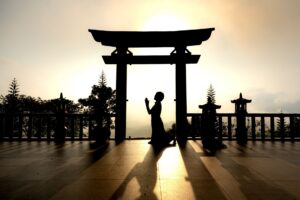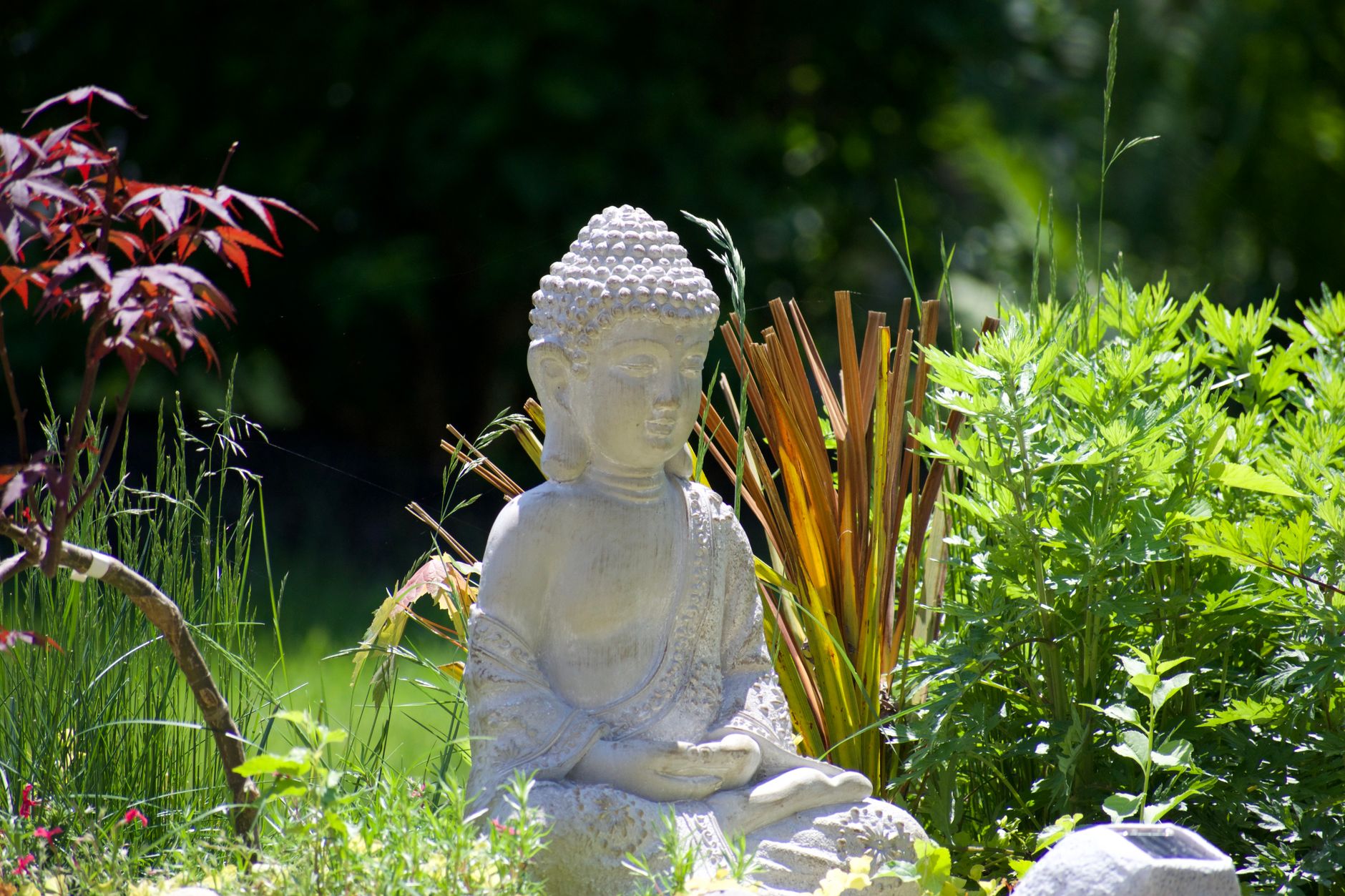
Rain has just stopped falling on the moss at Saihō-ji, and the garden is breathing. Barefoot on a narrow wooden veranda, I watch water gather at the edge of a stone and then let go. Nothing about this moment is dramatic. A heron lifts from the pond without hurry. Behind me, a monk sweeps gravel that will be swept again tomorrow. This is the quiet Japan’s zen gardens have practiced for six centuries — not silence as absence, but silence as attention. If you are planning a journey here, come for the gardens. They will not entertain you. They will meet you exactly where you are, which is the whole point.
“The garden is not a place you visit. It is a place that visits you.”
Historical Context
Zen gardens arrived in Japan the way most profound things do — slowly, through the hands of people who never called themselves artists. When Zen Buddhism traveled from China in the twelfth and thirteenth centuries, it carried a particular aesthetic: yūgen, a beauty deep and faintly shadowed, and wabi-sabi, the grace of things unfinished and impermanent. Monks at temples like Tenryū-ji and Ryōan-ji built gardens not to delight the eye but to support sitting practice. The dry landscape garden — karesansui — used gravel and stone to suggest water and mountains without depicting them literally. Ryōan-ji’s rectangle of fifteen rocks in raked white sand has resisted interpretation for five hundred years. From no single vantage point can you see all fifteen stones. That is not a flaw. That is the teaching.
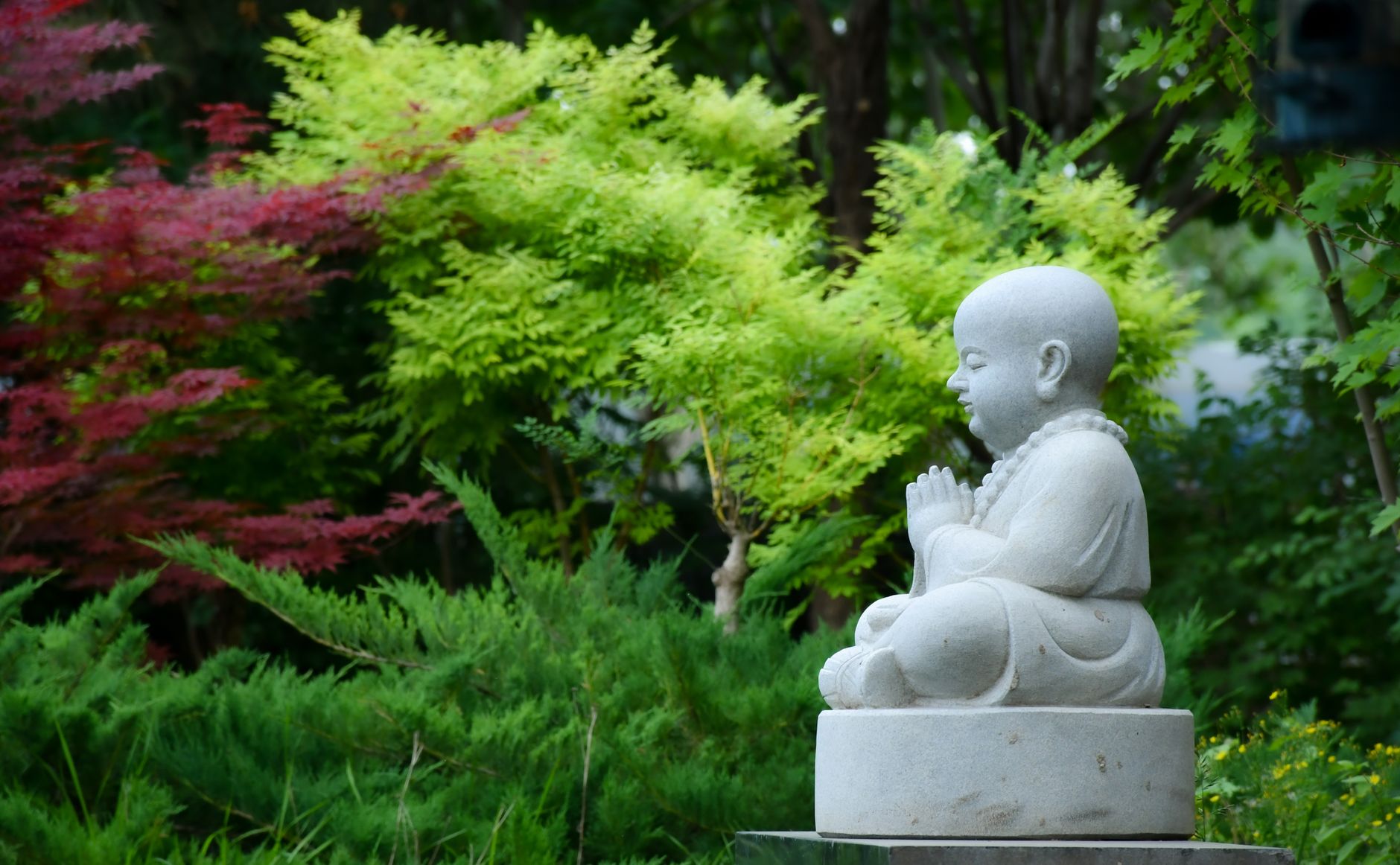
What moves me most is how practical these gardens were. Designed for walking meditation, for viewing from a veranda during zazen, for the simple act of returning to the same spot each morning and noticing what has changed. A garden never meant to be finished. A landscape that asks nothing of you but your presence.
The Experience
You will notice the gravel first. In Kyoto’s dry gardens, the raked lines are not decorative — they are a record of someone’s morning. Each curve of the rake is a breath. At Kennin-ji, I watched an old monk work a circle into the sand with the patience of someone who had done it ten thousand times before. He did not look up. He did not perform. He simply moved, and the sand remembered.
Then comes the moss. At Saihō-ji, the Moss Temple, there are over one hundred and twenty varieties, and the ground feels like the floor of a forest that has been dreaming for a thousand years. The air is cooler there. Damp. Green in a way that reaches into your chest. You walk slowly because the path asks it of you, and because your body, given permission, wants to.
And then, eventually, the stones. One large. Two small. A composition that looks accidental until you sit with it for twenty minutes and realize it is not. Zen gardens teach you to look at rocks the way you might look at a friend across a table — without agenda, without needing them to be anything other than what they are. The water basin. The pine that leans as if listening. The gap in the hedge that frames a distant mountain like a held breath.
What surprised me most was the sound. Not the absence of it — the presence. Crows. Wind through bamboo. The scrape of gravel under a visitor’s shoe. A bell somewhere, struck once. Your own heartbeat, which you had forgotten was there.

Who It’s For
These gardens belong to the traveler willing to sit still. Not to photograph stillness — to practice it. If you have ever been moved by a single leaf falling, or kept a rock on your desk because it calms you, you will understand this place in your bones. Solo travelers do well here. So do couples who have run out of things to say and are ready for the relief of that. Writers, mourners, people in the middle of a quiet reckoning with their own life — the gardens welcome all of them, though they will not announce it.
Come in the early morning if you can. Come in the rain, if you are brave. The gardens are at their most honest when the light is soft and the crowds have not yet arrived to explain them.
Who It’s NOT For
If you are looking for spectacle, please go elsewhere. These are not the gardens of cherry blossoms and golden pavilions, though those exist nearby. Zen gardens will bore you if you need them to perform. They will frustrate you if you want a story, a sign, a definitive meaning. Ryōan-ji in particular has disappointed countless visitors who arrived expecting revelation and found only rocks. The gardens do not care. That indifference is not coldness — it is respect. They are waiting for you to stop asking them to be something other than what they are.
Also: if you cannot walk slowly, or sit for twenty minutes without checking your phone, this may not be your trip. Not yet. The gardens are patient. They will still be here when you are ready.
A Profound Insight
Here is the counter-intuitive truth I carried home from Japan: the gardens are not meant to be understood. They are meant to be returned to. The teaching is not in the rocks or the moss or the raked sand. It is in the act of coming back — the same path, the same bench, the same stone — and noticing that you have changed even when nothing else has. Zen gardens are not destinations. They are mirrors. You do not go to see them. You go to be seen by them, and to see what you have become in the meantime.
What would it mean to build a garden in your own life that you returned to daily, without needing it to be finished? A corner of a room. A morning walk. A single question you ask yourself each night before sleep. The monks understood something we forget: attention is a practice, not a mood. It is built, line by line, the way gravel is raked — not because the lines will last, but because the raking is the point.
If you go, here is what I would carry with you:
- Arrive before 8 a.m. The gardens belong to the early risers and the rain.
- Sit for at least twenty minutes in one place. Do not move. Do not photograph. Just watch.
- Bring a small notebook, not a camera. Write one sentence. Leave the rest empty.
- Visit the same garden twice, on different days. Notice what has changed in you.
- Learn to bow before you enter. It is not ceremony. It is a way of saying yes.
- Leave your shoes at the door, and your expectations with them.
I do not know what you will find in these gardens. Perhaps nothing. Perhaps everything, disguised as nothing. But I know this: the moss will still be there when you arrive, and the rain will have just stopped, and a heron will lift from the pond without hurry, and you will stand barefoot on a wooden veranda, and for one long moment you will forget to be anywhere else. That is the garden. That is the whole of it. And it has been waiting for you longer than you know.