The train pulled out of Varanasi at 4:47 in the morning, and I had the whole sleeper carriage to myself. A chai wallah appeared at the door with a steel kettle, poured without asking, and vanished. For six hours the window offered flooded rice paddies, a man bathing a buffalo, a boy flying a kite from a rooftop. Nobody spoke to me. Nobody needed anything. It was the most profound conversation I had all year.
Solitude is not the absence of company; it is the presence of everything else.
Historical Context
Wandering alone is not a modern indulgence. It is one of the oldest spiritual technologies we have.
In India, the tradition of the sadhu — the solitary wanderer — predates recorded history. These men and women renounced household life and set out with a staff, a bowl, and nothing else, moving from village to village, shrine to shrine. Their solitude was not loneliness. It was a discipline, a way of loosening the grip of identity until only awareness remained. The Buddha himself left his palace alone, and the first thing he did upon enlightenment was walk. The road was the practice. It still is. Every step a small surrender, every mile a quiet instruction in how little one truly requires.
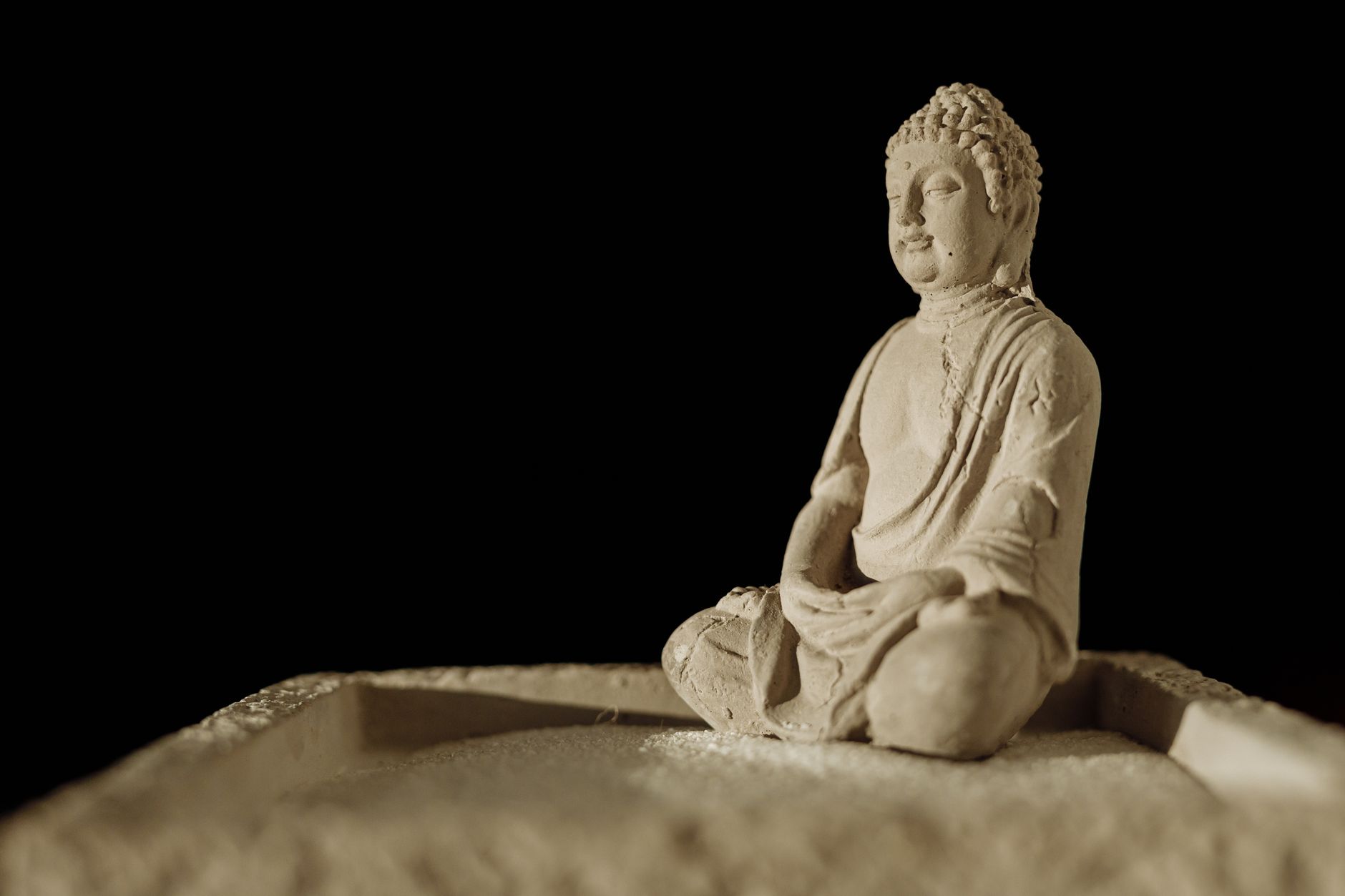
Japan gave solitude a different shape. The solo pilgrimage to the eighty-eight temples of Shikoku has been walked for over a thousand years, often by people alone, dressed in white, carrying a walking stick. The poet Matsuo Bashō walked the narrow road to the deep north in the late seventeenth century and turned the journey into literature so enduring that Japanese schoolchildren still memorize it. He did not walk to escape his life. He walked to find it. There is a difference, and it takes most of us years to feel it.
In the Christian West, the desert fathers of Egypt withdrew to the wilderness in the third century, and later, pilgrims walked the Camino de Santiago alone for penance, for grief, for reasons they could not name. The medieval pilgrim often traveled without companions as a matter of course. To arrive at a sacred place, you first had to be stripped of everything familiar. The stripping was the point. Arrival was almost incidental.
What all these traditions share is a conviction that the solitary road does something to a person that no amount of good company can. The world has always known this. I sometimes wonder whether we have simply forgotten it. We have built lives so thoroughly furnished with noise that the idea of a quiet road now sounds like a luxury or a hazard, depending on who you ask. But the old pilgrims would not have recognized the question. For them, aloneness was not a risk to be managed. It was the doorway.
The Experience
Here is what solitude on the road actually feels like.
The first morning is uncomfortable. You wake in a strange bed, or a train berth, or a tent, and there is no one to ask what the plan is. The silence is loud. You notice your own thoughts rattling around like pebbles in a tin. You reach for your phone. You check it twice before breakfast. This is not failure. This is the beginning. The discomfort is the sound of a muscle you have not used in years, waking up stiff and surprised.
By the second or third day, something loosens. You eat when you are hungry, not when the group is hungry. You linger at a temple gate for twenty minutes because the light is doing something extraordinary with the stone, and nobody is waiting for you. You take a wrong turn and discover a market selling nothing you need and everything you want to look at. Time takes on a different texture — slower, thicker, more real. The hours stop behaving like currency and start behaving like weather.
The senses sharpen. You hear a temple bell three streets away. You smell woodsmoke and jasmine and diesel and rain coming. You taste your food properly, without the chatter of conversation competing for your attention. You notice that you have been looking at the world through a pane of glass for years, and that the glass has, for now, been removed. Nothing about the world changed. Everything about your reception of it did.
And then comes the evening, and with it a wave of loneliness so sharp it surprises you. This too is part of it. You sit with it. You order dinner for one and eat it slowly. You watch the light leave the square. You realize that loneliness and solitude are not opposites — they are the same room, entered through different doors. The door you choose matters. Loneliness says: no one is here. Solitude says: I am here. Same room. Different guest.
Have you ever sat alone at a table in a foreign city and felt, for a moment, entirely at home in yourself?
Counter-intuitive as it sounds, I have come to believe that the most social thing you can do is travel alone. You are forced into small, genuine exchanges — asking directions, sharing a table, accepting tea — and because there is no group to hide inside, you actually meet people. The solo traveler is the most approachable person in the room. Groups talk to themselves. The lone figure at the corner table is the one the room wants to know.
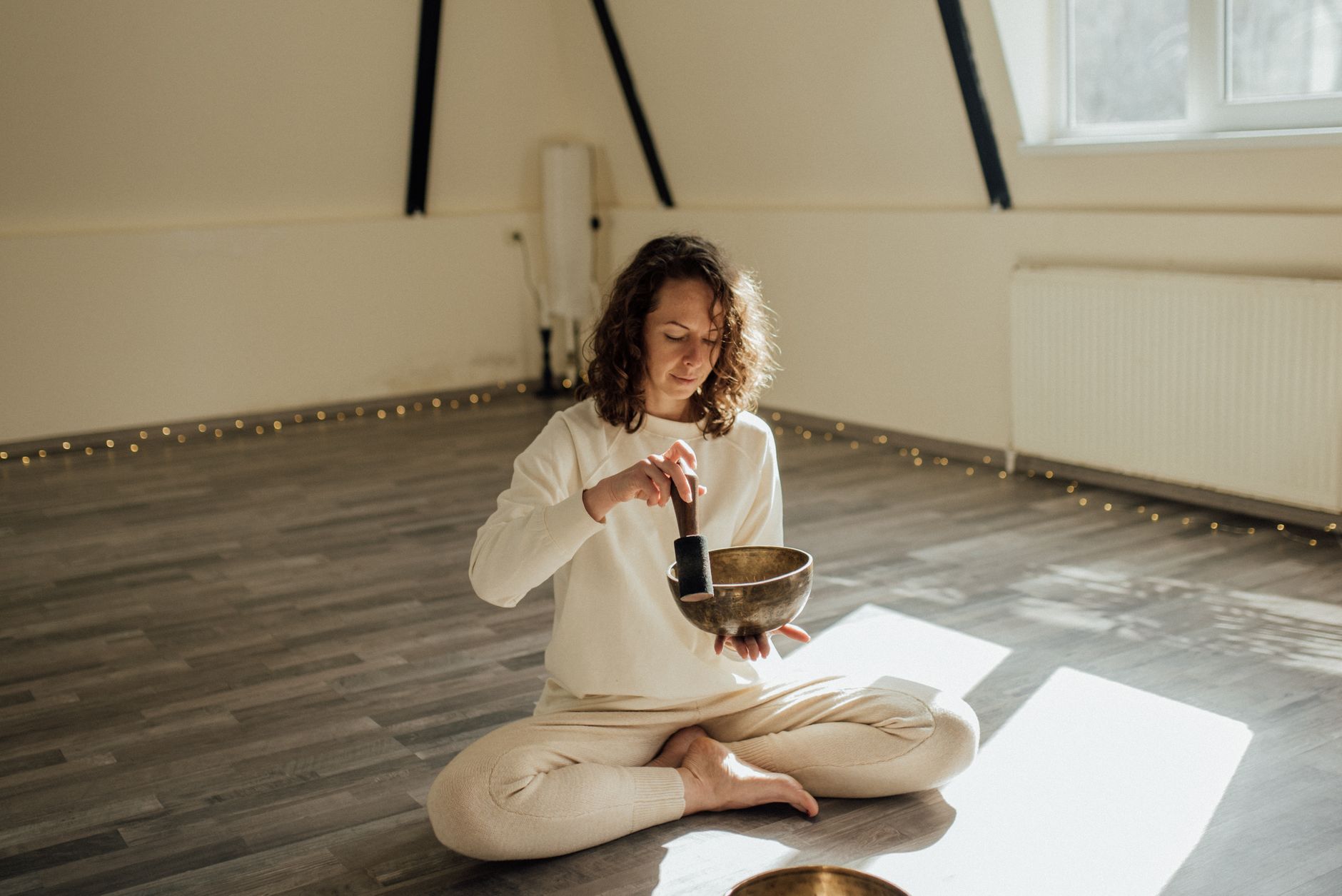
Who It’s For
Solitary travel serves the person who is ready to be a beginner again.
It suits the traveler in transition — after a loss, a divorce, a career that ended, a child who left home. The road alone gives you a place to put your grief or your confusion, a landscape large enough to hold it. It suits the introvert who loves people but needs long stretches of quiet to recover. It suits the seeker, the one who suspects that the answers are not on their phone. It suits the traveler who has done the group tours and found them pleasant but strangely forgettable, like eating a meal someone else ordered for you. You remember the taste of your own choices longer.
It suits anyone who can tolerate their own company for a few days. That is the whole qualification. You do not need to be brave. You do not need to be an experienced traveler. You need only to be willing to sit with yourself over breakfast and see what happens. The willingness is the ticket. Everything else is logistics.
Who It’s NOT For
I will be honest with you, because the honest boundary is the most useful gift I can give.
Solitary travel is not for the person in acute crisis. If you are in the grip of severe depression, active grief that has not yet found a shape, or a mental health condition that needs support, a foreign country alone is not a medicine. It is a magnifying glass. The silence that clarifies can also amplify. Travel alone when you have a floor beneath you, not when you are looking for one. A road cannot be a foundation. It is only a road.
It is not for the traveler who is genuinely nourished by company and wilted by isolation. Some people are built for shared tables and long conversations, and there is no virtue in denying that. I have watched people force themselves into solitude because it seemed more spiritual, and I have watched them suffer for it. Know yourself. The spiritual path that requires you to betray your own nature is not a path at all. It is a performance.
And it is not for the person who cannot yet be alone in their own city for an afternoon. Start there. Take yourself to lunch. Sit in a park without a book. Build the muscle at home before you test it abroad. The practice begins where you are standing, not where the plane lands.
A Profound Insight
Here is the idea worth carrying home.
Solitude on the road is a rehearsal for something larger: the capacity to be present with your own life. When you travel alone, you learn that you can sit in a strange place, not know the language, not know the plan, and still be okay. That is not a travel skill. That is a life skill. The traveler who returns from a solo journey is not merely rested or inspired. They have quietly proven to themselves that they can be alone with uncertainty, and that proof does not expire. It waits in the body like a stored warmth, available on the days when everything familiar falls away.
This is why the great traditions sent people out alone. Not to punish them, and not to make them lonely. To show them that the ground beneath their feet was always their own. The road is a teacher. But it is a teacher who only speaks when you stop filling the air with your own voice.
- Begin with a short solo trip — three or four days is enough to feel the shift, and short enough to recover from.
- Keep a morning journal. Write by hand. The pen slows you down to a pace where you can hear yourself.
- Leave your phone in your room for the first hour of each day. Let the world arrive without a screen.
- Eat one meal a day alone, slowly, at a table, not walking. Let the food and the room be company.
- Notice the difference between loneliness and solitude. Name it when it comes. Then let it pass.
- Say yes to small invitations — tea, directions, a shared bench — but keep the right to leave.
The chai wallah on that Varanasi train never learned my name, and I never learned his. But I have carried that morning with me for years — the steam off the kettle, the flooded fields, the boy and his kite. Solitude gave me a gift I could not have accepted from anyone else: the simple, durable knowledge that I am enough company for the road. Wherever you go next, I hope you will try it. Go alone. Stay awake. Let the silence do its work.