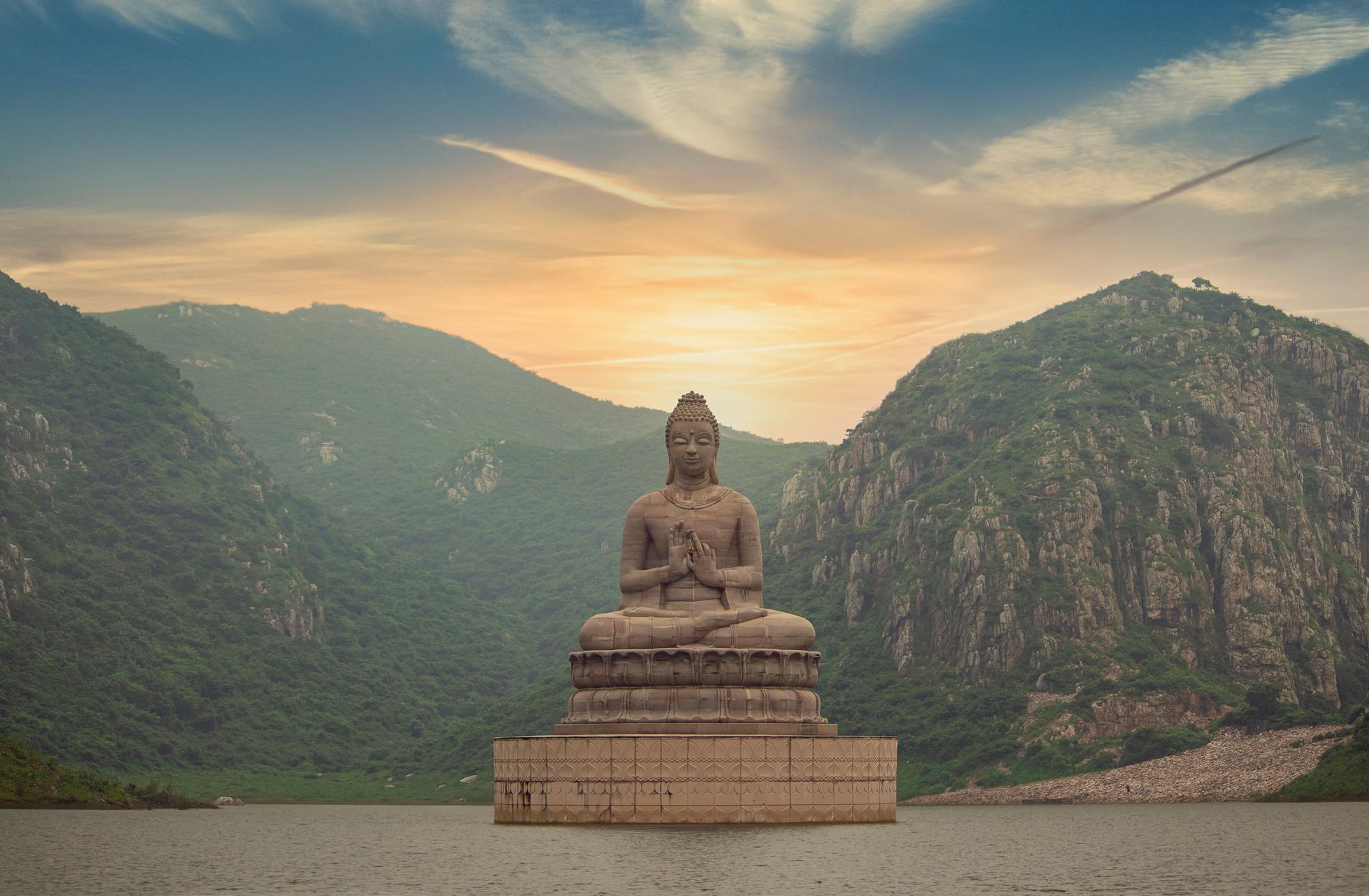
The water is so still at dawn that the mountains appear twice — once in stone, once in reflection — and you cannot tell which is the original. I am sitting on the steps of Pushkar Lake in Rajasthan, wrapped in a shawl against the cold, watching pilgrims descend in silence to touch the surface. A woman beside me cups water in her palms and lets it fall. Twice. Three times. The sound is the only liturgy. Sacred lakes ask nothing of us except attention. And attention, I have learned, is the rarest offering most of us have left to give.
“The lake does not demand your belief. It asks only that you stop walking long enough to see your own face.”
Historical Context
Every sacred lake carries a story about how the world began, or how it nearly ended. Pushkar, in Rajasthan, is said to have formed when Brahma dropped a lotus petal onto the earth; the name itself means “lotus-born.” Lake Manasarovar, high on the Tibetan plateau at over 4,500 metres, appears in Hindu, Buddhist, Jain, and Bon traditions — four faiths circling one body of water, each seeing its own cosmology reflected there. Pilgrims walk its 88-kilometre circumference, prostrating at intervals, a practice older than any map of the region.
In the Andes, Lake Titicaca holds the Inca story of emergence: the sun god raised the first people from its depths. In Ireland, Lough Derg has drawn penitents for more than a thousand years to a small island of stone beds and sleepless vigils. These are not coincidences of geography. Lakes collect. They gather rain, rivers, memory, and myth in the same basin. The Hebrew word for a gathering of waters carries this sense of assembly — the lake as a congregation, not a resource.
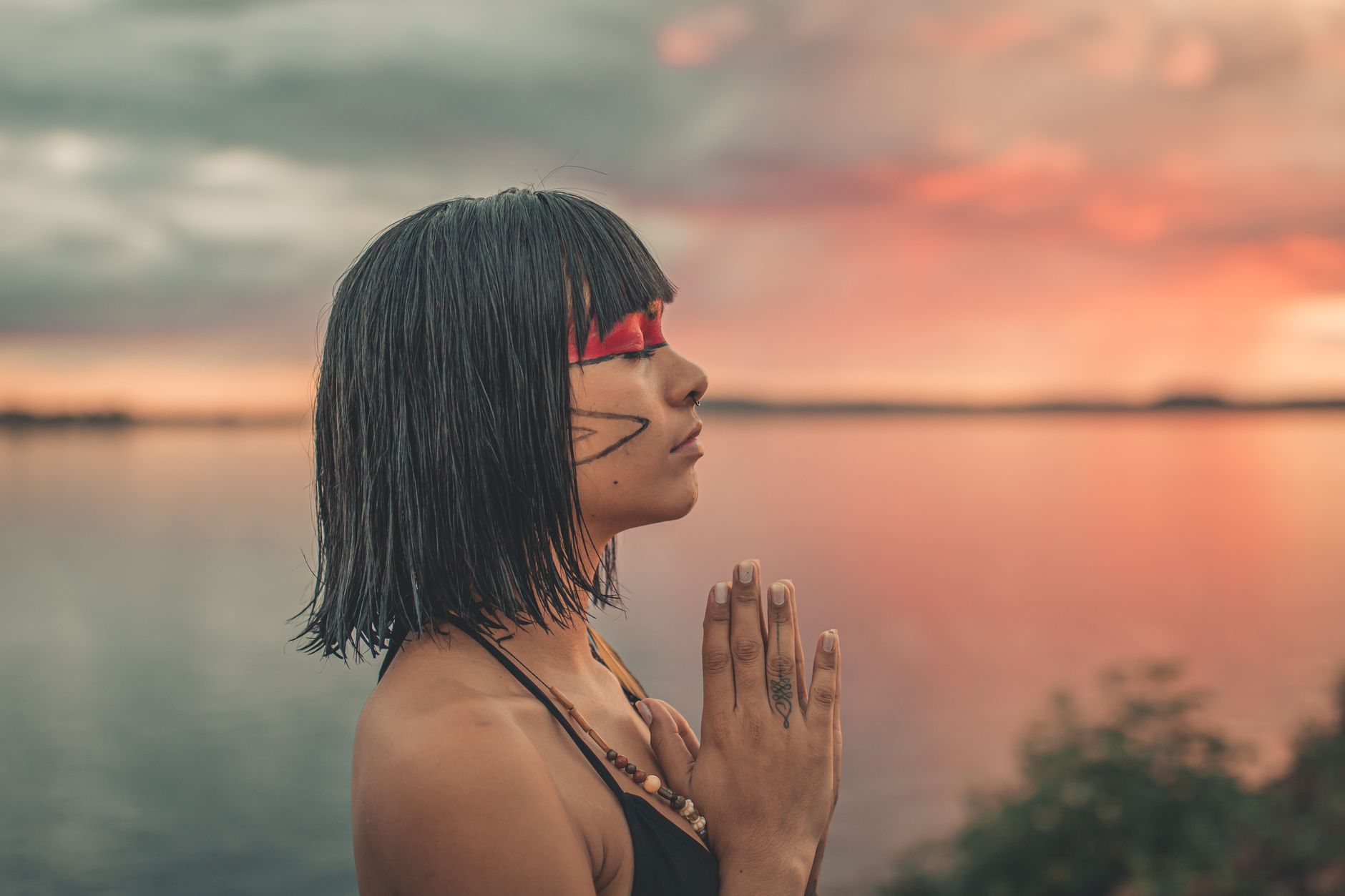
What strikes me is how many of these traditions share a rule about silence. Not the absence of sound, but the deliberate lowering of the human voice. At Manasarovar, pilgrims are asked not to disturb the water. At Pushkar, the bathing ghats have their own quiet rhythms, elder pilgrims moving slowly, speaking in whispers. The lake is treated less like a destination and more like a presence that deserves courtesy. Have you ever stood at the edge of water and felt, without anyone telling you, that you should be quieter here? That instinct is older than any scripture.
The Experience
Arriving at a sacred lake is not like arriving at a monument. Monuments are finished. Lakes are alive, and they change by the hour. I have watched Manasarovar go from glass to chop to glass again within a single morning, the wind arriving without warning and leaving the same way. The cold there bites at your knuckles. The altitude makes your breath shallow and your thoughts unusually clear.
The body responds before the mind does. At the edge of sacred water, the shoulders drop. The jaw loosens. You notice your own breathing, and then you notice the breathing of the person beside you, and then the small sounds of water against stone. A pilgrimage is a slow education in the obvious: that you are here, that it is enough. I once sat for two hours on the steps at Pushkar and did nothing I could later describe. It remains one of the most useful afternoons of my life.
There is a rhythm to these places. Dawn belongs to the devout. Midday belongs to the curious. Dusk belongs to everyone. If you want to understand a sacred lake, do not arrive at noon with a camera and a schedule. Arrive when the light is low and the crowds have thinned, and let the water set the pace. Sit longer than feels comfortable. The discomfort is part of the practice. The first ten minutes are yours; the next hour belongs to the lake.
Who It’s For
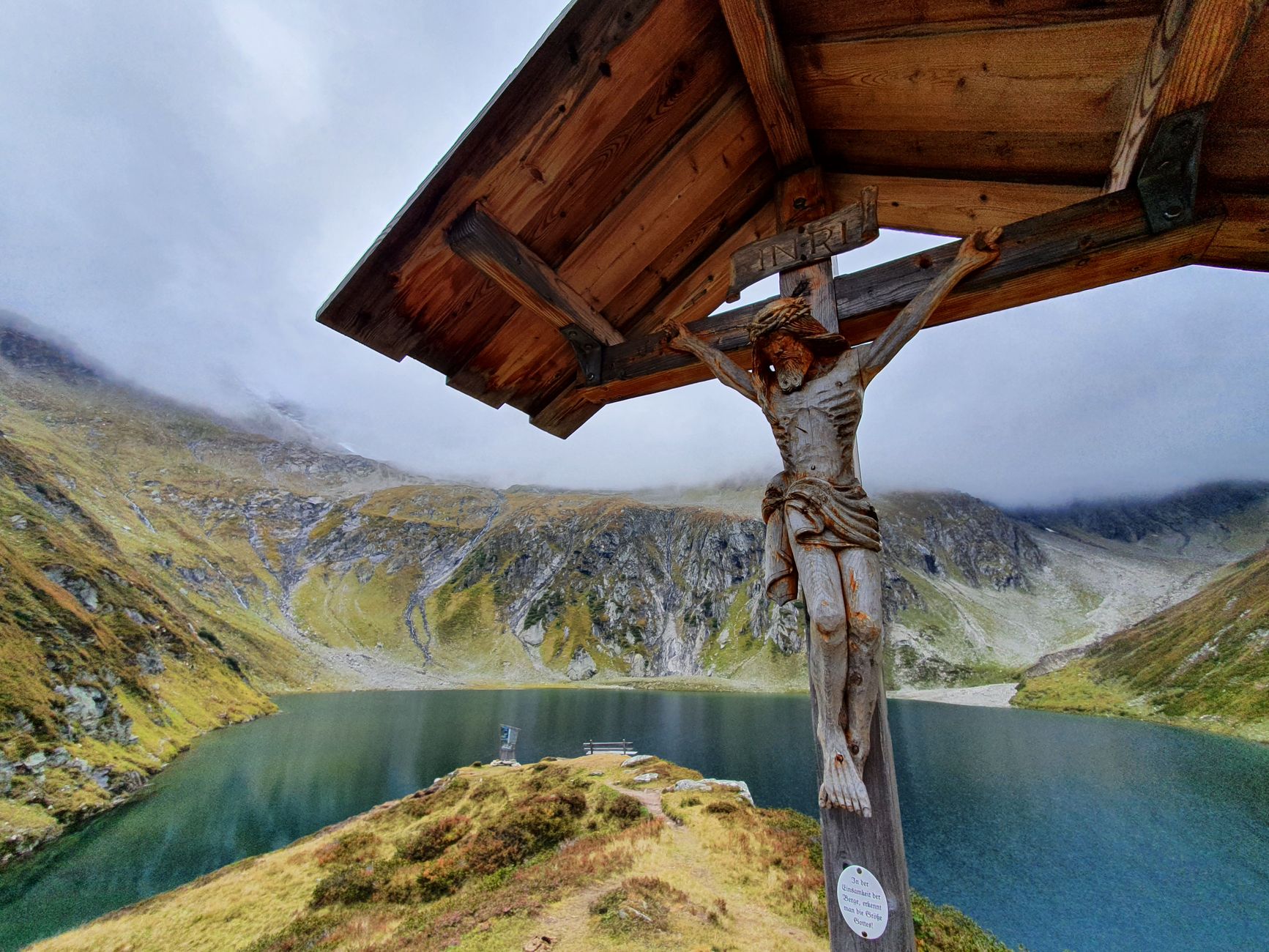
This kind of travel serves the person who has grown tired of collecting places and is ready to be changed by one. If you are willing to wake before the sun, to remove your shoes, to sit on cold stone without an agenda, these lakes will meet you. The traveller who benefits most is the one who can hold a paradox: that a place can be deeply meaningful and also a little mundane, that holiness and mosquito bites coexist.
It also suits the walker. Sacred lakes tend to be circled rather than viewed — the parikrama at Manasarovar, the pilgrim path around Lough Derg, the slow ambulation of the ghats at Pushkar. Circling is a different kind of attention than looking. It is repetitive and unglamorous. It teaches the body what the mind resists: that returning to the same place is not failure. It is the whole point.
And it suits anyone in the middle of something — a grief, a decision, a slow unravelling. Water holds. That is its oldest reputation, and I have found it earned. Bring your unfinished business. The lake has seen worse, and it will not flinch.
Who It’s NOT For
If you need a plan, a schedule, and a guaranteed return on your time, these places will frustrate you. Sacred lakes are inefficient. The rituals are long. The facilities are often basic. The altitude at Manasarovar is genuinely punishing, and no amount of good intentions will change the physiology of 4,500 metres. This is not a destination for a tight itinerary or a tight deadline.
Nor is it for the traveller who treats other people’s faith as scenery. The pilgrims at Pushkar are not performing for you. The woman cupping water in her palms is praying, not posing. If you cannot arrive with a certain humility — if the camera comes out before the shoes come off — stay home a little longer. The lake will wait. It has waited for centuries. It can wait for your readiness.
A Profound Insight
Here is the counter-intuitive thing I have come to believe: sacred lakes are not sacred because of the stories attached to them. The stories were attached because the water was already doing something to people, and the myths are attempts to explain a felt experience that language could not quite hold. The stillness came first. The scripture came after.
This matters because it changes what you are looking for. You are not visiting a monument to belief. You are visiting a place where human attention has been concentrated for centuries, and concentration leaves a residue. Call it atmosphere, call it grace, call it the accumulated quiet of ten thousand mornings. Whatever you call it, it is available to the sceptic and the devout alike. The lake does not check your credentials.
I have sat at the edge of water in four countries and felt the same strange thing each time: a sense that the lake is not asking me to become someone else, but to stop pretending I am someone I am not. That is a harder invitation than it sounds. Most of us spend our travels assembling a more interesting version of ourselves. We curate the photograph before we have even had the experience. The lake quietly declines to be impressed. It offers, instead, the plain and slightly uncomfortable gift of your own company.
- Arrive at dawn, when the water is still and the pilgrims are few; the lake is most itself before the world wakes.
- Remove your shoes and sit on the edge for at least twenty minutes before reaching for a camera.
- Circle the lake if there is a path — walking is a slower, better teacher than looking.
- Respect the silence; lower your voice, and let the water speak first.
- Check altitude and season carefully; Manasarovar in particular demands respect for the body, not just the spirit.
The woman at Pushkar finished her prayers and rose, and I noticed she had left a small marigold on the step beside me — not for me, I think, but for the water. I have carried that flower in my memory longer than I have carried most souvenirs. Sacred lakes do not give you answers. They give you a place to put your questions down for a while, and the patience to notice that the questions were never the problem. Go slowly. Sit longer than you think you should. The water is already waiting, and it has been waiting a very long time.