The train from Chennai to Pondicherry smells of cardamom tea and diesel. Beside me, a man peels an orange with his thumbnail, the rind falling in one unbroken spiral onto his knee. Outside, palm shadows slide across flooded rice paddies. He offers me a segment without looking up. I take it. This small exchange — unplanned, unhurried, unmonetized — is where conscious travel in India begins. Not in a brochure. Not in an itinerary. In the willingness to receive what a stranger hands you. India asks this of every traveller: slow the machinery of wanting, and let the country arrive on its own terms, in its own time, through its own people.
“The guest is God” — Atithi Devo Bhava, and the God does not perform for you.
Historical Context
India has been receiving travellers for longer than most nations have existed. The Arthashastra, Kautilya’s treatise on statecraft written around the fourth century BCE, set out detailed provisions for lodging and protecting foreign visitors. Long before that, pilgrims walked the subcontinent’s river networks to bathe at confluence points, and the tradition of yatra — sacred journey — embedded movement itself as a spiritual practice. Travel was never merely transport. It was transformation, undertaken with intent.
The modern tourism economy arrived differently. Colonial routes, hill stations built for administrators escaping the heat, and later the package-tour circuits of the twentieth century reshaped how outsiders moved through the land. The pendulum swung toward extraction: see the Taj, photograph the ghats, buy the textile, leave. Conscious travel is a correction, not an invention. It reaches back toward older rhythms — the pilgrim’s pace, the guest’s humility — while asking hard questions about who benefits from the money a traveller spends.
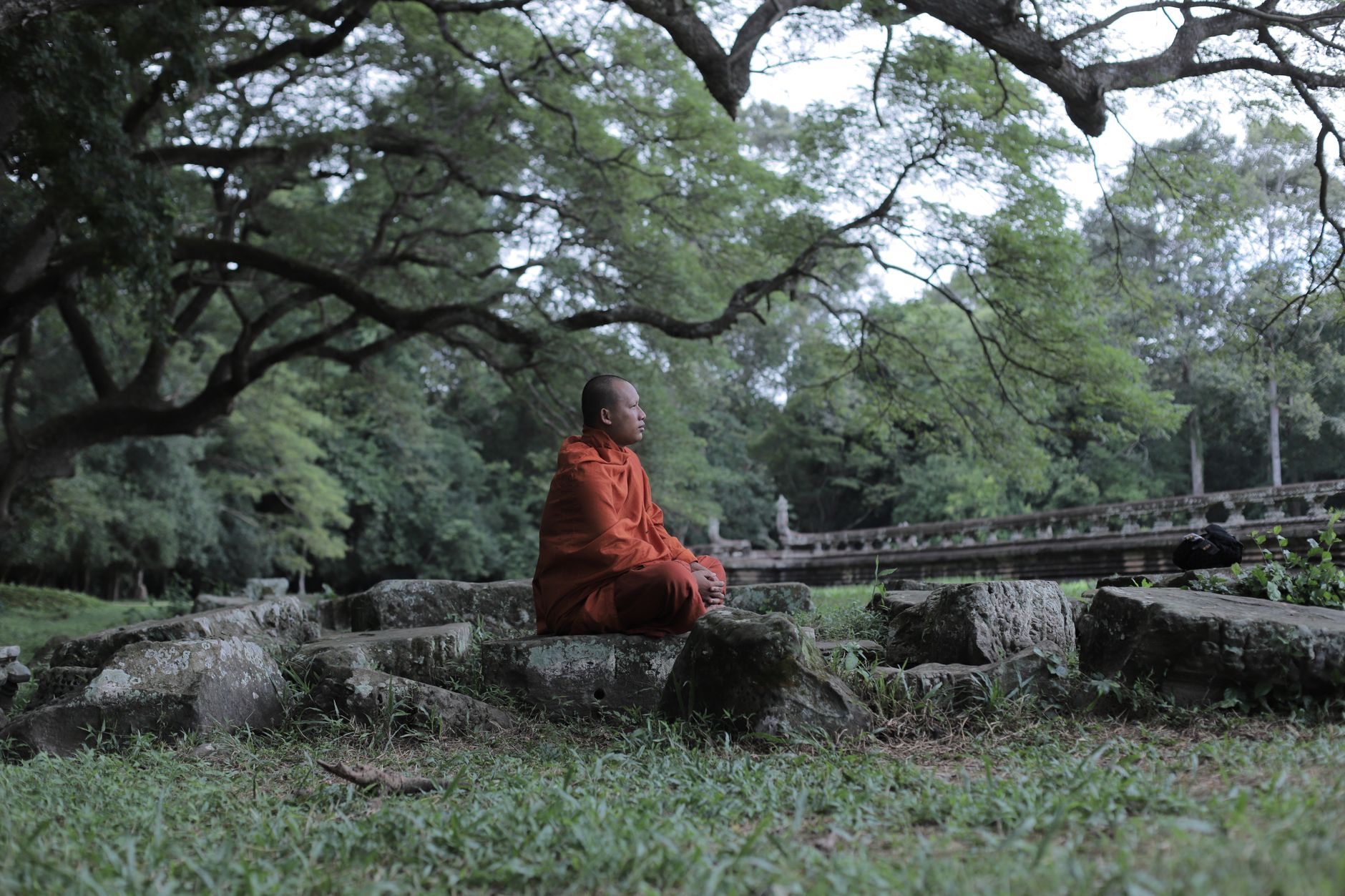
Photo by George Pak on Pexels
Consider the geography of it. Rajasthan’s havelis were built by merchant families whose fortunes depended on hospitality along trade routes. Kerala’s backwaters sustained fishing communities long before houseboats carried tourists. Varanasi’s ghats have hosted seekers for three thousand years. Every place a visitor finds beautiful was, first, somebody’s home. That fact sits at the center of this whole conversation.
The Experience
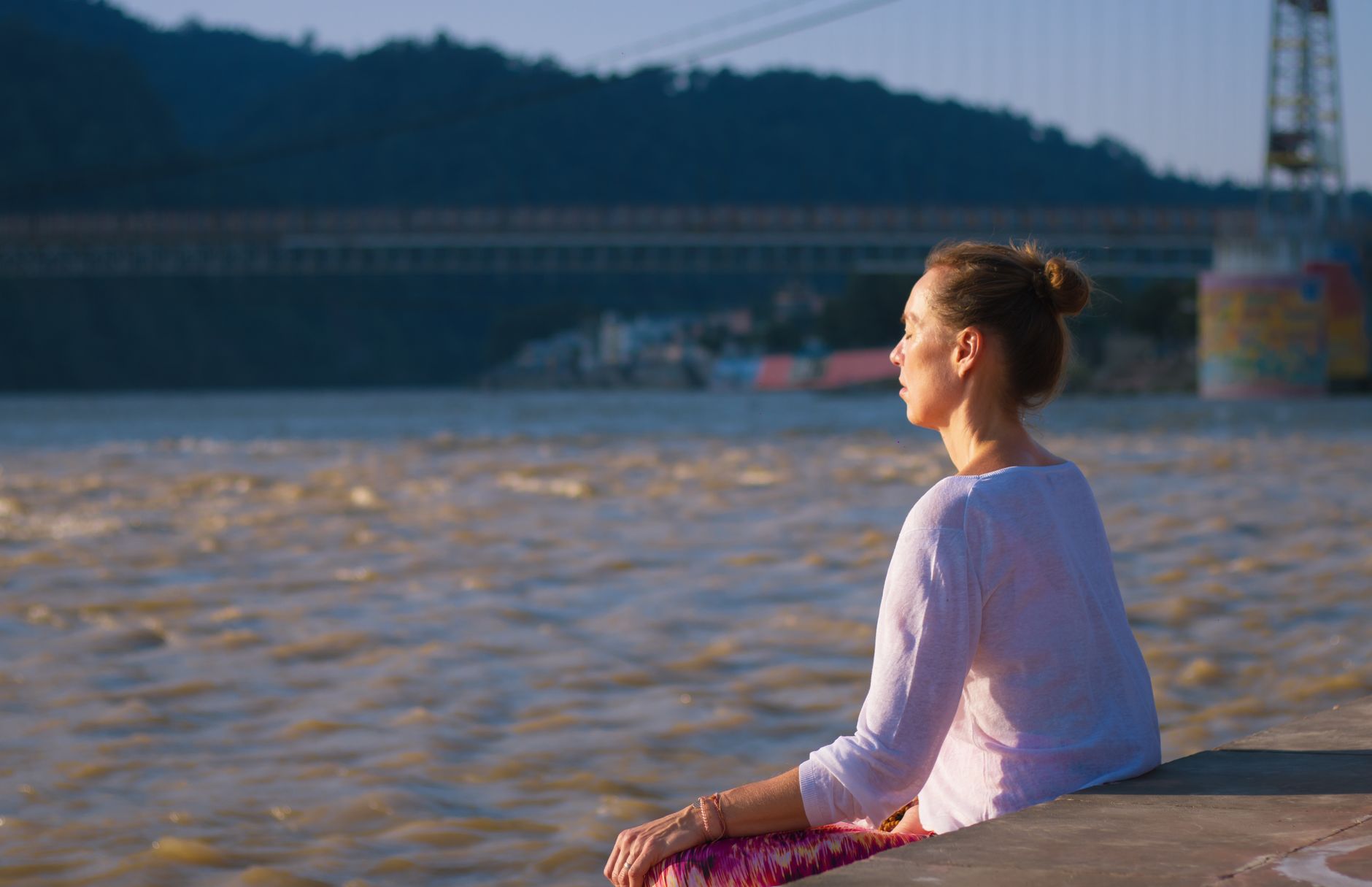
Morning in Rishikesh arrives with bells and the slap of wet clothes against stone. The Ganga runs green and cold below the ashram steps. You wake before the sun because everyone else does — the sadhus, the women carrying marigolds, the dogs who know exactly where the kitchen scraps appear. Nothing here waits for you to be ready. You join the current or you stand still and watch it pass.
This is the texture of conscious travel in India: you are not the audience. You are a participant, sometimes a clumsy one. In a village outside Udaipur, I learned to knead dough for roti from a woman named Kamla who laughed at my technique and corrected my hands without asking permission. In Fort Kochi, a fisherman named Thomas explained the cantilevered Chinese fishing nets his family had worked for four generations, then told me plainly that the nets were now mostly for photographs. He said it without bitterness. He said it the way you state the weather.
What does it feel like? Loud, then suddenly silent. Crowded, then profoundly alone on a temple step at dusk. Your senses recalibrate. The nose learns to sort jasmine from diesel from frying ghee. The ears learn that honking is a language with grammar. The body learns that a floor seat is not a hardship. Somewhere in the second week, the frantic what am I seeing dissolves into the quieter what am I noticing. That shift is the whole point.
Can you let a place change the speed at which you live, rather than fitting it into the speed you already have? That question, asked honestly, will rearrange your itinerary.
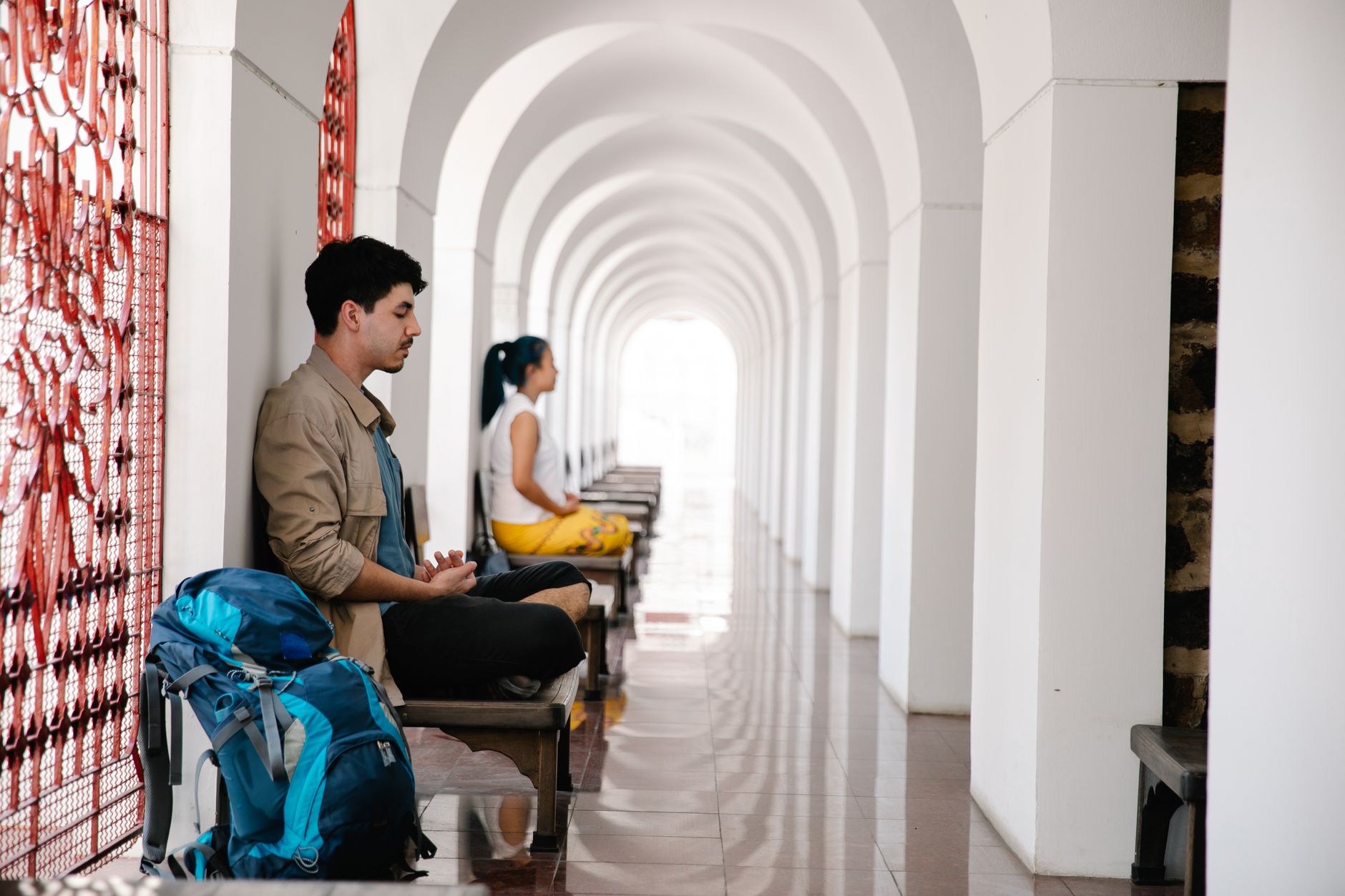
Photo by Sanket Mishra on Pexels
Who It’s For
This way of travelling serves the person willing to be a beginner. You do not need to know the customs already. You need the humility to learn them. You need patience for trains that run late and schedules that dissolve, and a genuine appetite for the unfamiliar — not the curated unfamiliar of a resort, but the real thing: spicy, chaotic, tender, indifferent to your comfort.
It suits travellers who would rather spend an afternoon with one artisan than photograph ten monuments. Who understand that money is a form of speech in a place where many people have little of it, and who want to speak carefully. Who can laugh at themselves when they mispronounce a greeting, who can sit with silence, who can leave room in the plan for the unplanned. If you have ever felt that the best moments of a journey were the ones you could not have booked, this is your country.
Here is my counter-intuitive opinion, offered plainly: the luxury of conscious travel is not in what you spend but in what you refuse. Refusing to fill every hour. Refusing the photograph that would strip dignity from a stranger. Refusing the shortcut that concentrates profit in a single foreign-owned enterprise. Restraint, not acquisition, is the real indulgence — and it costs nothing, which means it is available to every budget.
Who It’s NOT For
Be honest with yourself here. India will not reward the traveller who needs control. If a changed plan ruins your day, if street noise keeps you awake and resentful, if you measure a trip by how many sites you checked off, this approach will frustrate you. There is nothing wrong with wanting a resort pool and a guided bus. That is simply a different journey, and pretending otherwise serves no one.
It is also not for the person who wants India to be a backdrop — a colorful setting for their own story. The country will not cooperate. It has its own narrative, its own pace, its own priorities, and it will keep them whether or not you are watching. Come to be a guest, not a director. If that sentence irritates you, the irritation is worth sitting with.
A Profound Insight
The deepest lesson India offers the conscious traveller is this: attention is the rarest currency you carry. Not rupees, not camera memory, not the curated story you will tell at home. Attention. The quality of your looking determines the quality of what you find. When you truly attend to a place — its sounds, its labor, its small daily rhythms — you stop being a consumer of experiences and become a witness to a world that was already complete before you arrived.
That insight travels home with you. It changes how you walk through your own city, how you listen to your own neighbors, how you sit at your own table. The pilgrimage does not end at the border. It simply changes address.
Practical anchors for the journey:
Stay in locally owned guesthouses and homestays where the money stays in the community and the welcome is genuine.
Learn five phrases in the local language — a greeting, a thank-you, an apology, a question, and the word for “delicious.”
Ask before photographing people. A portrait is a transaction of trust, and trust cannot be taken without consent.
Build empty days into the itinerary. The unplanned afternoon is where India actually lives.
Buy directly from makers — the weaver, the potter, the spice seller — and pay what the work is worth.
Travel by train when you can. The slow route is the honest route, and the window seat is the best classroom.
The orange segment from that train journey is long gone, but I still remember the man’s hands, his silence, the way he offered without ceremony and expected nothing back. That is the India I return for. Not the monuments, though they are magnificent. Not the photographs, though they are beautiful. The unguarded human moments that no itinerary can promise and no budget can buy. Travel there with your attention wide open, your pace slowed to the country’s rhythm, and your hands ready to receive what is offered. The guest who arrives humbly leaves changed. That is the oldest promise India makes — and the one it keeps.