The road has always been a teacher. Long before I knew the word pilgrimage, I knew the feeling of arriving somewhere new and sensing that something in me had shifted. Faith, I have come to understand, is not a fortress we defend but a river that moves. Travel puts us on the bank of that river and asks us to step in.
To leave home is to discover that the sacred was never confined to one place.
Historical Context
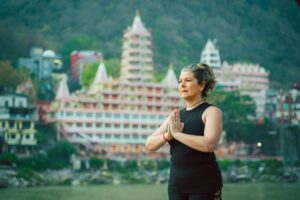
Pilgrimage is older than any single tradition. For millennia, seekers have walked toward something larger than themselves: the Camino de Santiago, the Kumbh Mela, the climb to Adam’s Peak in Sri Lanka, the long road to Jerusalem. In Sanskrit, the word tirtha means “ford” or “crossing place,” a spot where the river of the divine becomes shallow enough to wade. The pilgrim does not travel to escape the world but to meet it more fully.
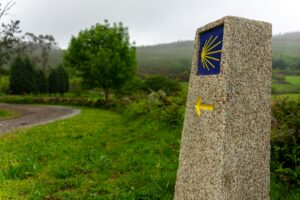
What strikes me is how similar the instructions are across traditions. Walk slowly. Carry little. Greet strangers. Keep your attention on the next step. The medieval pilgrim walked the Camino with a scallop shell and a staff. The Hindu pilgrim circles the sacred fire before dawn. The Sufi travels not to a shrine but toward the Beloved. Different maps, one longing.

The Experience
I remember the first morning on the Camino. Rain had fallen all night, and the path smelled of wet stone and eucalyptus. My boots were heavy. My shoulders ached. And then, somewhere past the second village, something loosened. The mind that had been rehearsing worries for weeks went quiet. What remained was the sound of my own breath and the rhythm of feet on earth.
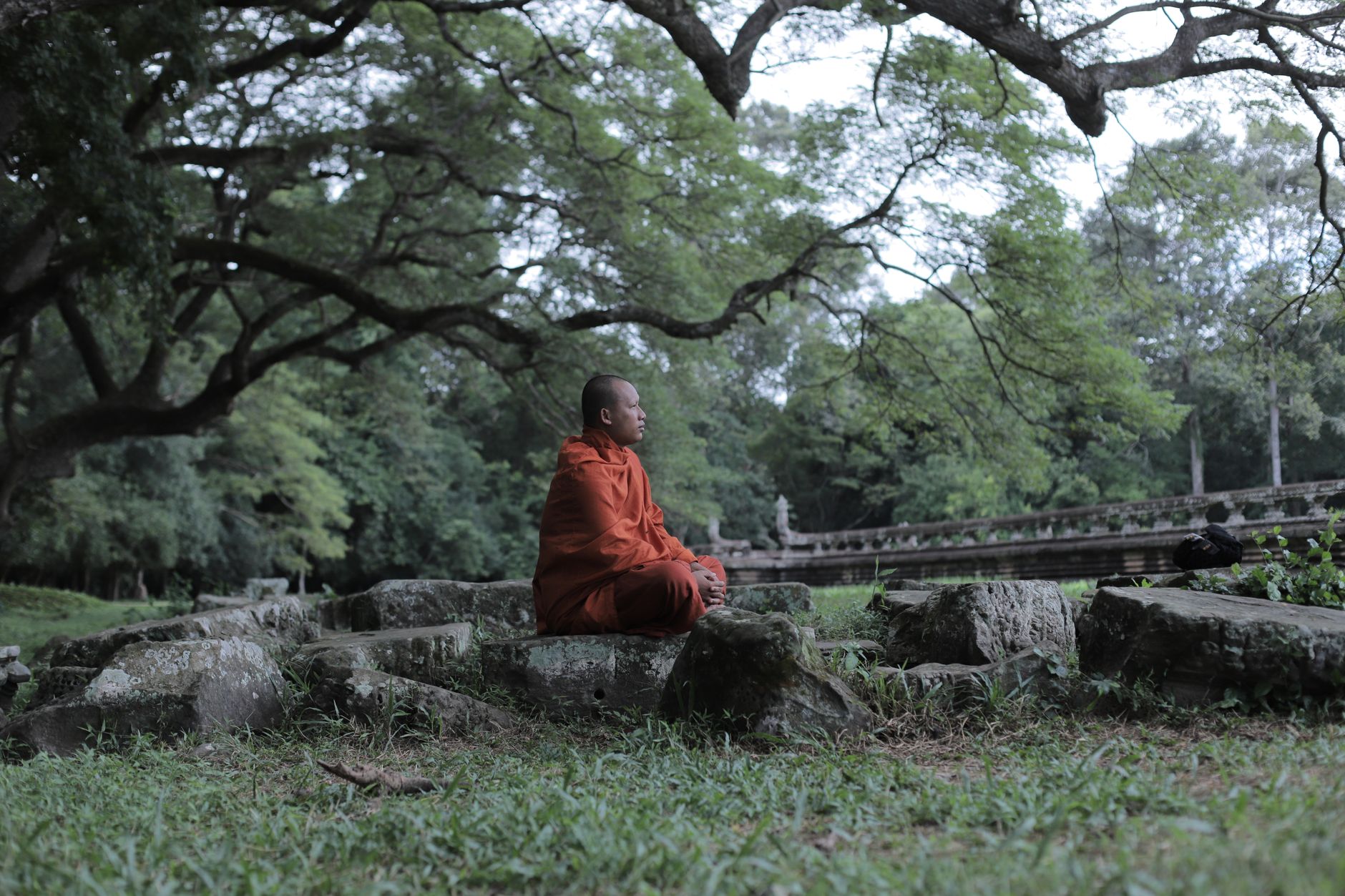
This is what travel does to faith. It strips away the familiar scaffolding — the pew, the cushion, the same window at the same hour — and asks whether the practice lives in you or in the room. Pilgrims have long reported this. The sacred becomes tactile: cold water on the hands, incense in the throat, a stranger’s hand steadying you on a steep descent. Faith moves from concept to sensation.
I have knelt in cathedrals that left me cold and stood in a crowded market that opened my heart. The geography matters less than the attention we bring. Travel simply makes attention unavoidable. You cannot sleepwalk through a foreign street; every detail asks to be met.
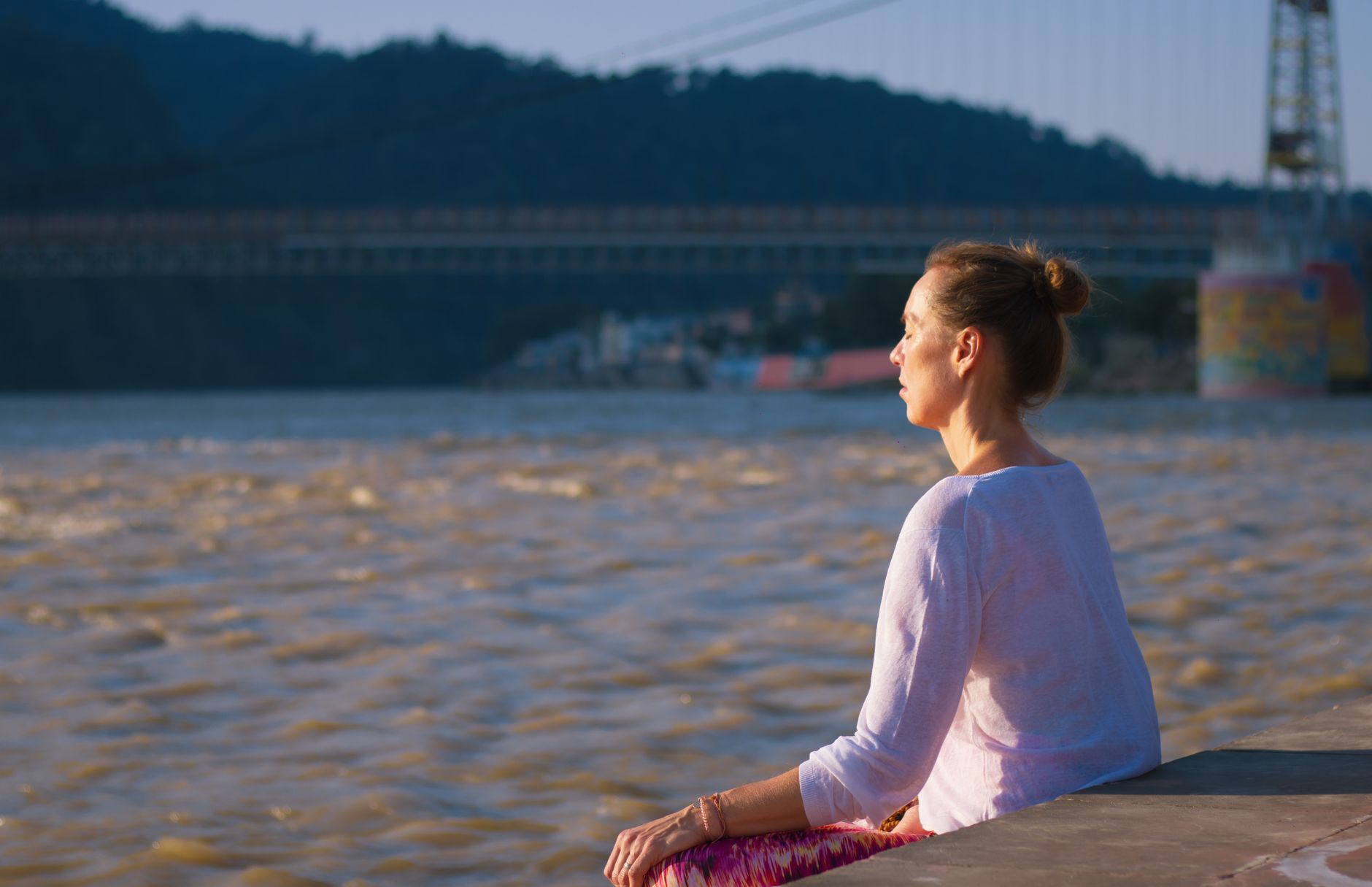
Who It’s For
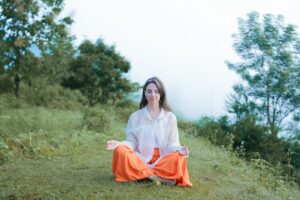
This way of travelling is for the seeker who suspects their faith has grown stiff. Perhaps your practice feels like a habit rather than a living thing. Perhaps you have questions you are afraid to ask inside your own community. The road is a generous listener. It does not demand answers. It asks only that you keep walking.
It suits the traveller willing to be a beginner: to learn three words of a new language, to sit with discomfort, to let a stranger teach them something. If you can pack light and hold your plans loosely, the journey will give you more than you brought.
Who It’s NOT For
Let me be honest with you. This is not for the traveller who needs certainty at every turn. A pilgrimage of faith will not confirm what you already believe; it will disturb it. If you are looking for a holiday that flatters your worldview, stay home. If you need comfort, predictability, and a schedule that never surprises you, the open road will frustrate you.
And it is not for the person seeking a spiritual trophy. The moment we collect sacred places like stamps in a passport, we have traded devotion for acquisition. The road detects this quickly and closes its doors.
A Profound Insight
Here is the idea I keep returning to: the pilgrim and the tourist walk the same street, but only one of them is changed by it. What separates them is not distance or destination but intention. The tourist asks, “What can I see?” The pilgrim asks, “What is being asked of me?”
This is counter-intuitive, I know: I believe the most faithful act of travel is not to go somewhere holier, but to become more attentive right where you are. The sacred place is a mirror. It shows you what you already carry.
Carry these things home with you:
- Walk more slowly than feels efficient; let the body set the pace.
- Speak to at least one stranger each day and listen more than you talk.
- Keep a small journal of what moves you, not what you photograph.
- Set aside one hour of silence in each new place, without a guide or a goal.
- Return to one practice from the road when you are home, and let it root.
Faith deepens not because we travel far, but because we travel awake. The road will not hand you a new belief; it will hand you back to yourself, a little more open than before. So I ask you: where will you walk next, and what will you carry with you?