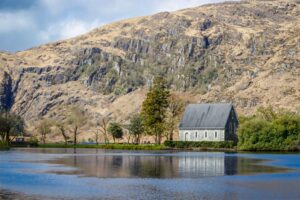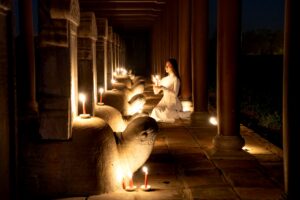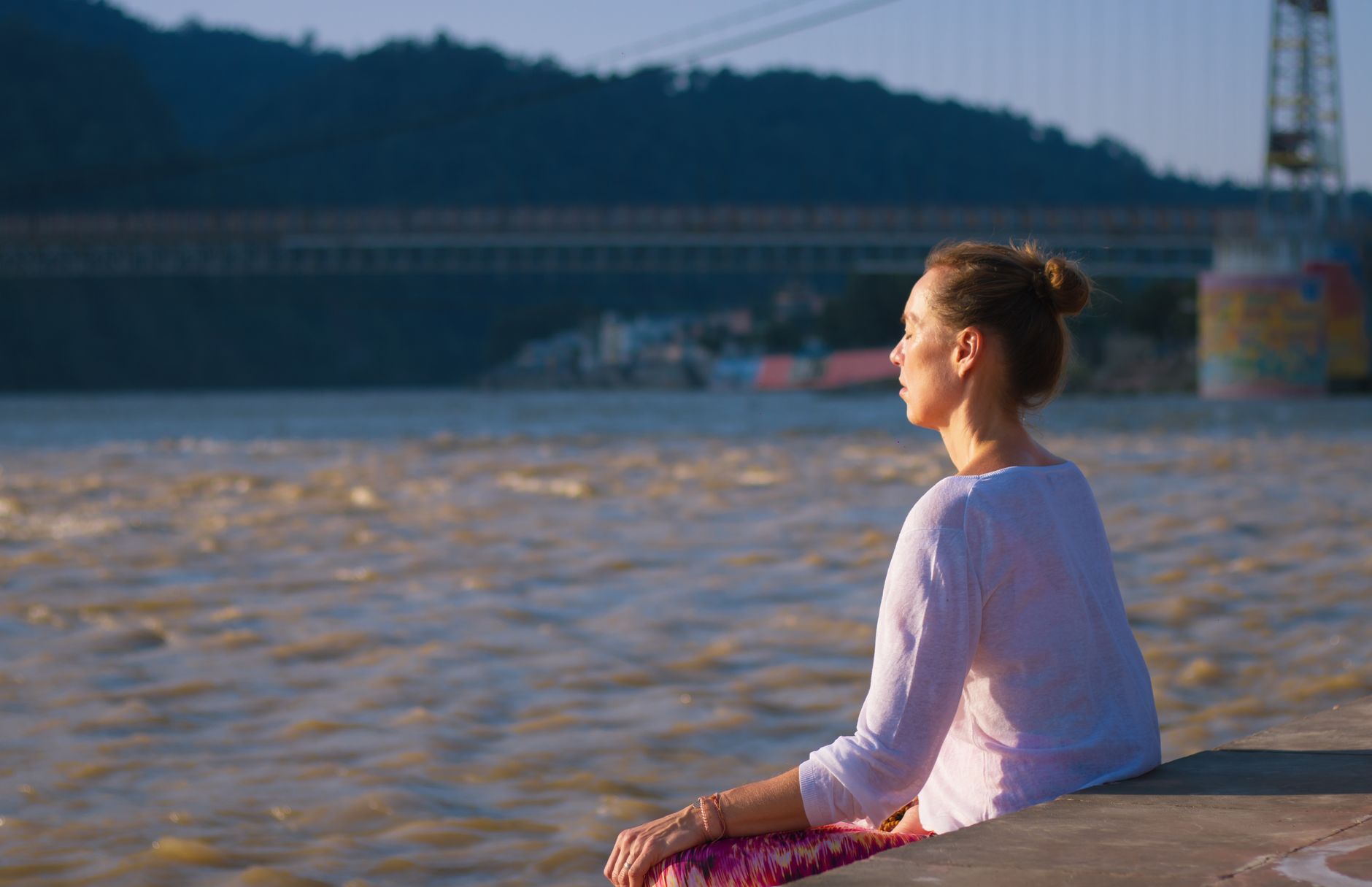
The dust on the temple steps was the color of dried marigolds. Within the first hour it had found its way into every fold of my clothing. I had come to Varanasi not for the temples but for something I could not name—a question that had followed me through three countries and a dozen ashrams. Around me, pilgrims moved in slow currents, their bare feet whispering against stone worn smooth by centuries of the same journey. At dawn, a traveling monk turned to me and asked: what are you actually looking for? I had no answer. That silence, it turns out, was the beginning.
We travel not to escape the questions, but to find a place quiet enough to finally hear them.
Historical Context
Pilgrimage is older than any single faith. Its roots run deep into the soil of human longing, deeper than doctrine, deeper than the names we give to the sacred. In India, the tradition of yatra—the sacred journey—predates written history. Long before maps were drawn, seekers walked to the sources of rivers, to mountain passes where the air thinned and the mind grew quiet, to groves where sages had sat beneath the same trees for generations. The destination mattered, yes. But the walking itself was understood as the practice. Distance was a teacher. Discomfort was a teacher. The stranger who shared your fire was a teacher.
This idea appears across cultures with striking consistency. Medieval Christians walked the Camino de Santiago, their blisters a kind of liturgy. Japanese pilgrims circled Shikoku’s eighty-eight temples, wearing white as the dead wear white, dying to the old life with every step. Sufis wandered the Silk Road seeking the beloved. The Greeks consulted the oracle at Delphi only after days of ritual approach. Each tradition dressed the journey differently. The skeleton underneath was the same: leave the known, endure the middle, arrive transformed—or at least cracked open enough to be changed.
What fascinates me is how modern tourism has inherited the shape of pilgrimage while often losing its intention. We still travel to distant places. We still return home changed. But the change is frequently accidental rather than sought. The ancients built ceremony around the leaving and the arriving. They fasted. They prayed. They walked barefoot and said goodbye to their villages as though they might not return. We book flights and pack chargers. The container is there, waiting. We have simply forgotten to step inside it.
Consider what was lost in that forgetting. The old pilgrim left with the blessing of a community. Neighbors gathered at the gate. Someone pressed bread into their hands and asked for prayers at the far shrine. The traveler carried the longings of people who could not go themselves, and this gave the walking a weight that no solo itinerary can replicate. Arrival, too, was ceremonial—the exhausted pilgrim was washed, fed, and welcomed as a living relic. We have kept the transportation and discarded the liturgy. Whether that trade served us is a question each traveler must answer alone.
The Experience
Meaning arrives, when it arrives, through the body first. This is what the traditions understood and what we so often forget. You do not think your way into reverence. You walk until your legs ache and the ache becomes a kind of prayer. You sit on cold stone at five in the morning and watch the river turn from grey to gold, and something in your chest loosens that no amount of reasoning could have touched.
On my fourth morning in Varanasi, I rose before the bells. The ghats were nearly empty. A woman was lighting small clay lamps and setting them on the water, one by one, each flame a tiny insistence against the dark. I sat and watched until the sun cleared the far bank. I do not have words for what happened in those ninety minutes, and I have stopped trying to find them. Some experiences resist language because language is the wrong tool. They want your attention, not your description.
The senses sharpen on pilgrimage in ways they rarely do at home. Smells become specific—sandalwood, wet wool, diesel, jasmine. Sounds layer themselves: a conch shell, then a bicycle bell, then laughter from a doorway. Your feet register every texture of the ground. This is not nostalgia or romanticism. It is simply what happens when you stop moving through a place as a spectator and start moving through it as a participant. The body knows it is somewhere. The mind, finally, agrees to follow.
And then there is the middle—the part nobody advertises. Pilgrimage has a long, unglamorous center where the novelty fades and the discomfort accumulates. Your stomach rebels. Your plans collapse. The sacred site is crowded with tourists taking selfies. This middle stretch is not a failure of the journey. It is the journey. Every tradition I have studied honors this difficult passage, whether through fasting, silence, or the simple endurance of long walking days. The middle is where the ego tires out and something quieter gets a chance to speak.
I have come to think of the middle as the true teacher, and the arrival as merely the exam. Anyone can feel uplifted on the mountaintop. The test is the third hour of a bus ride with no air conditioning, the wrong turn that costs you an afternoon, the meal that does not agree with you. In those moments you meet yourself without the props of routine. What you find there—impatience, humor, despair, unexpected steadiness—is the real souvenir, the thing no shop sells and no photograph records.

Who It’s For
This way of traveling belongs to the seeker who is willing to be inconvenienced by their own questions. If you have ever stood in a beautiful place and felt, strangely, that you were not quite there—distracted, half-present, already composing the photograph—this path may serve you. It asks for patience with uncertainty and a tolerance for unpolished days. It rewards the traveler who can sit with a stranger and ask nothing of them but their company.
It suits people at thresholds: after a loss, before a leap, in the murky space between one version of a life and the next. Pilgrimage has always been a technology for transitions. The old structures of meaning—career, routine, the familiar geography of home—lose their grip when you are walking a road you have never walked before. In that loosening, something new can take root. If you are in such a season, the road will meet you.
You do not need faith to begin. That surprises people. The traditions are full of seekers who set out doubting and arrived doubting still, yet changed in ways they could not explain. Sincerity is the only credential the road asks for. Bring your questions. Bring your skepticism, even. The road has carried heavier loads than yours.
Who It’s NOT For
Let me be honest, because this path is not a universal prescription. If your purpose in traveling is to collect experiences efficiently—ticking off landmarks, optimizing itineraries, returning with a full camera roll and a clear sense of accomplishment—pilgrimage will frustrate you. It is inefficient by design. It wastes time on purpose. Its rewards are slow and often invisible until months later.
It is also not for anyone in acute crisis who needs rest rather than challenge. The road can hold grief, but it cannot hold everything. There are seasons when the wisest journey is a short one, to a place of comfort, with people who know your name. Pilgrimage asks something of you. Know what you have to give before you go.
A Profound Insight
Here is the counter-intuitive truth I carried home: the destination is not the point, and yet the destination matters enormously. We are told to focus on the journey, to let go of outcomes, to be present to the process. Good counsel, mostly. But the sacred sites of the world are not interchangeable. The river at Varanasi, the cathedral at Chartres, the mountain pass where a particular sage sat—these places carry an accumulated weight of attention. Millions of people have brought their longing to these exact coordinates. The ground itself has been changed by it. You can feel it. Arriving somewhere with that kind of history is different from arriving anywhere.
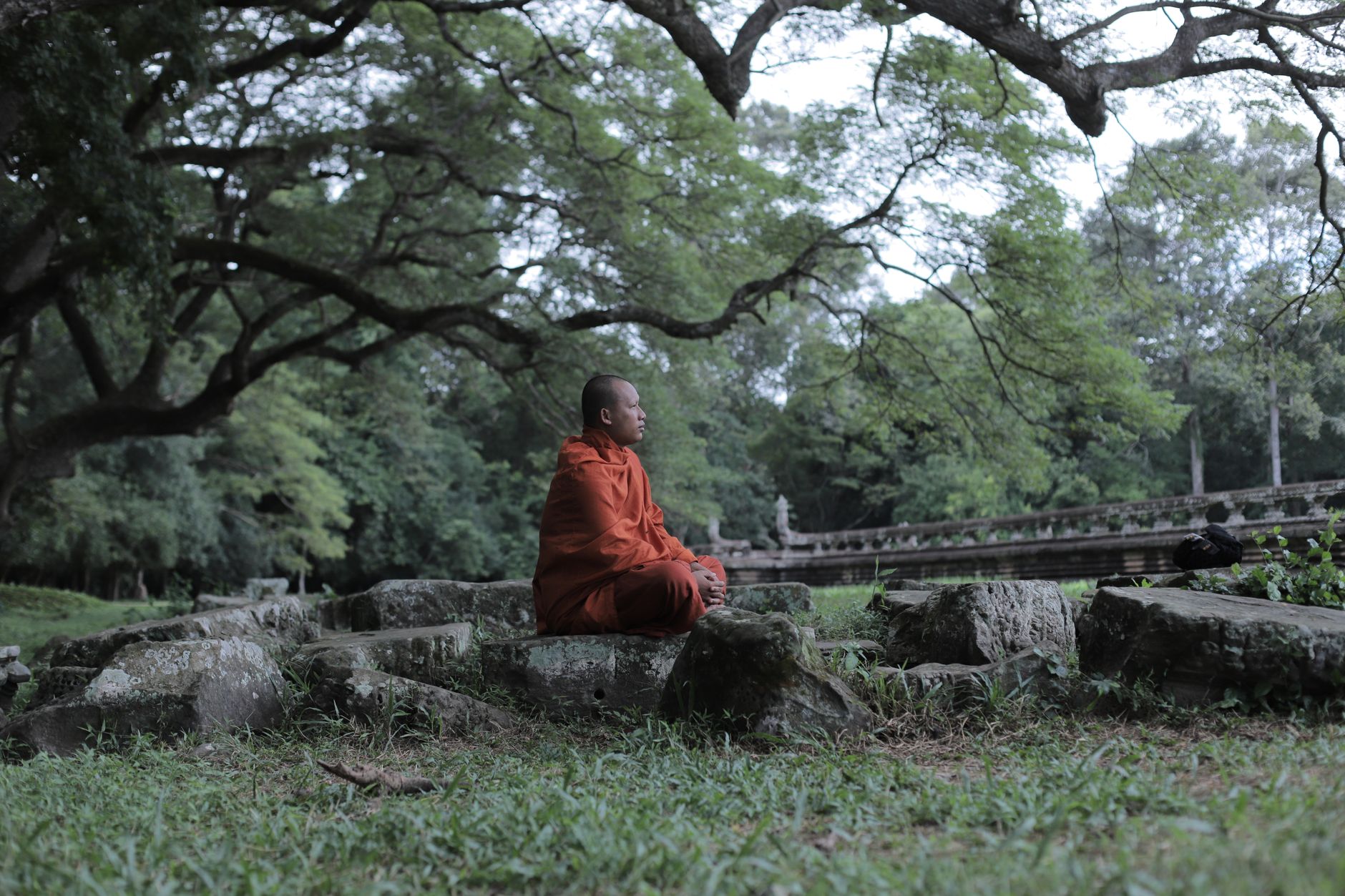
So the insight is not that place is irrelevant. It is that place is a doorway, and you must walk through it. The danger is stopping at the frame—admiring the architecture, taking the photo, and never entering the room. What are you actually looking for, the monk asked me. The question is not a riddle to solve. It is a door. You can stand before it your whole life, or you can step through.
There is another layer, quieter. The traditions insist that the true pilgrimage site is never external. The outer journey is a mirror held up to the inner one. When you walk toward something sacred, you are rehearsing a movement your attention can make anywhere—in a kitchen, on a subway, in the ordinary rooms of your life. The road trains you for the unglamorous holy places you will return to. That is its hidden gift.
Before you go, consider what the old traditions did and what you might borrow:
- Name your intention in a single sentence before you leave, and return to it each morning of the journey.
- Build in deliberate slowness—one unplanned afternoon, one day without a destination, one meal eaten without hurry.
- Leave something behind at the threshold: a habit, a grudge, a version of yourself you are ready to set down.
- Keep a hand-written journal, not for the highlights but for the middle stretches, the discomforts, the small unremarkable graces.
- When you return, wait a full month before deciding what the journey meant. Meaning ripens slowly.
I left Varanasi without an answer to the monk’s question. I have stopped expecting one. What I have instead is a practice: to travel as though the ground beneath me were listening, because I have come to believe it is. The dust on the temple steps is long washed from my clothes. But the question remains, patient and bright. I have learned to carry it the way the pilgrims carried their lamps—one small flame at a time, held carefully against the dark.