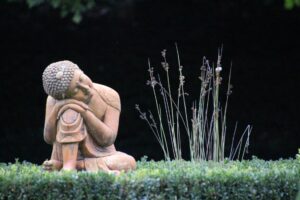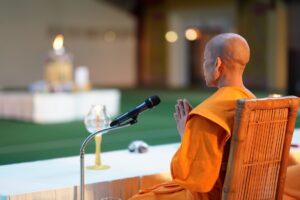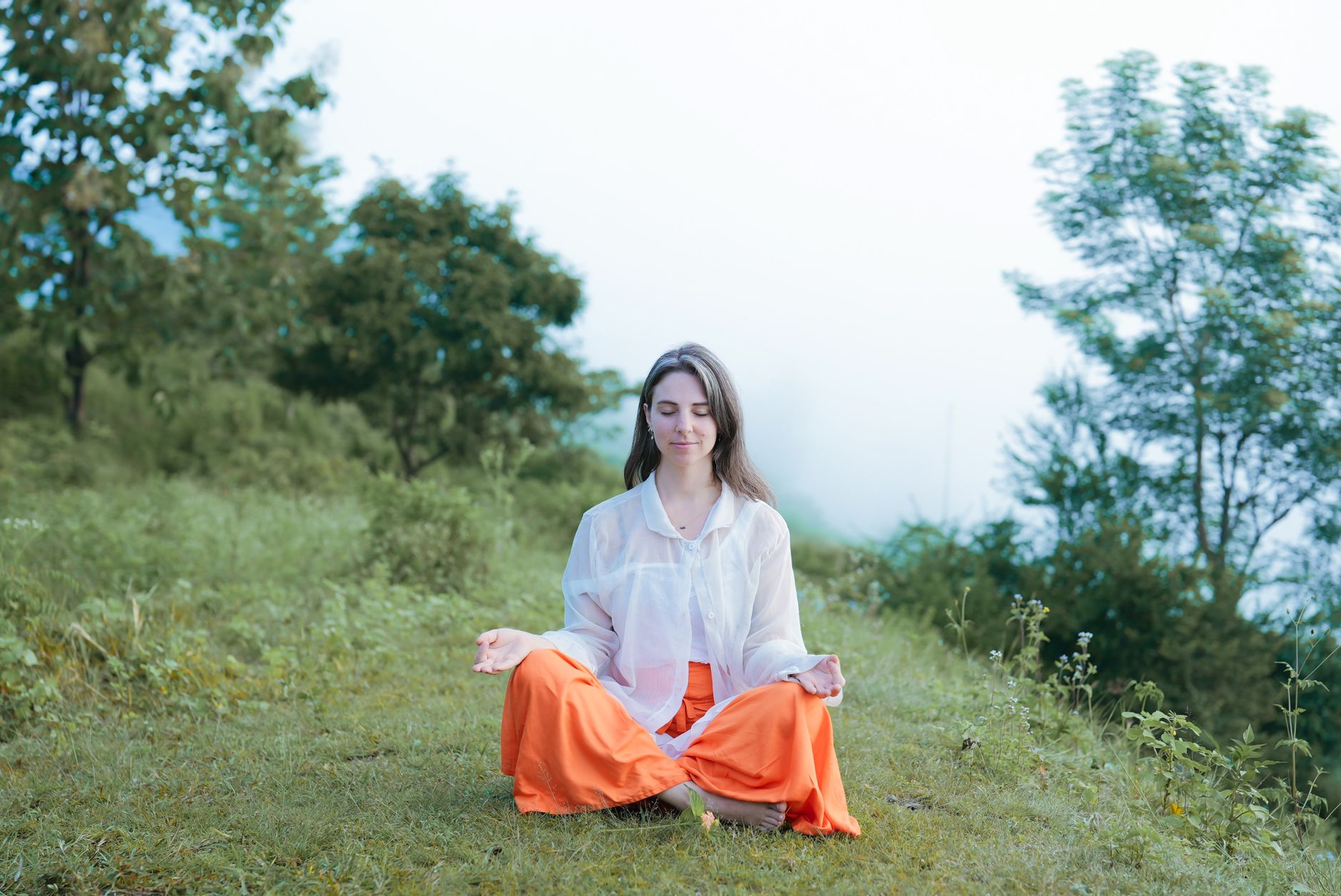
The backpack weighs eleven pounds. I know because I weighed it on a vegetable scale in a guesthouse in Rishikesh — the kind with a rusted dial and a metal tray — while the owner watched with the mild amusement of a man who has seen a thousand travellers arrive carrying too much. Eleven pounds, and still I felt heavy. Not from the bag. From the plan: the itinerary, the must-sees, the photographs I had already composed in my mind before I arrived. That is the heaviness I want to speak about here. Not luggage. The other thing.
“The lighter you travel within, the more the world can meet you.”
Historical Context
Pilgrimage is older than tourism, and it has almost nothing in common with it. In India, the practice of tirtha — literally a crossing place, a ford — has drawn seekers to rivers and mountain shrines for more than two thousand years. The pilgrim walks. The pilgrim carries little. The pilgrim is not trying to see everything; the pilgrim is trying to arrive.
Consider the sadhus I met along the Ganges, men who own a staff, a bowl, and a single blanket, and who move between shrines with the ease of leaves on water. Their lightness is not poverty. It is a discipline. In the Buddhist tradition, the wandering mendicant sits at the centre: the Buddha himself left a palace and walked out with nothing. The Japanese practice of aruku pilgrimage on the Kumano Kodo, the Camino de Santiago in Spain, the circumambulation of Mount Kailash — each tradition understands something modern travel has largely forgotten. Movement is a spiritual act only when you stop trying to possess the places you pass through.
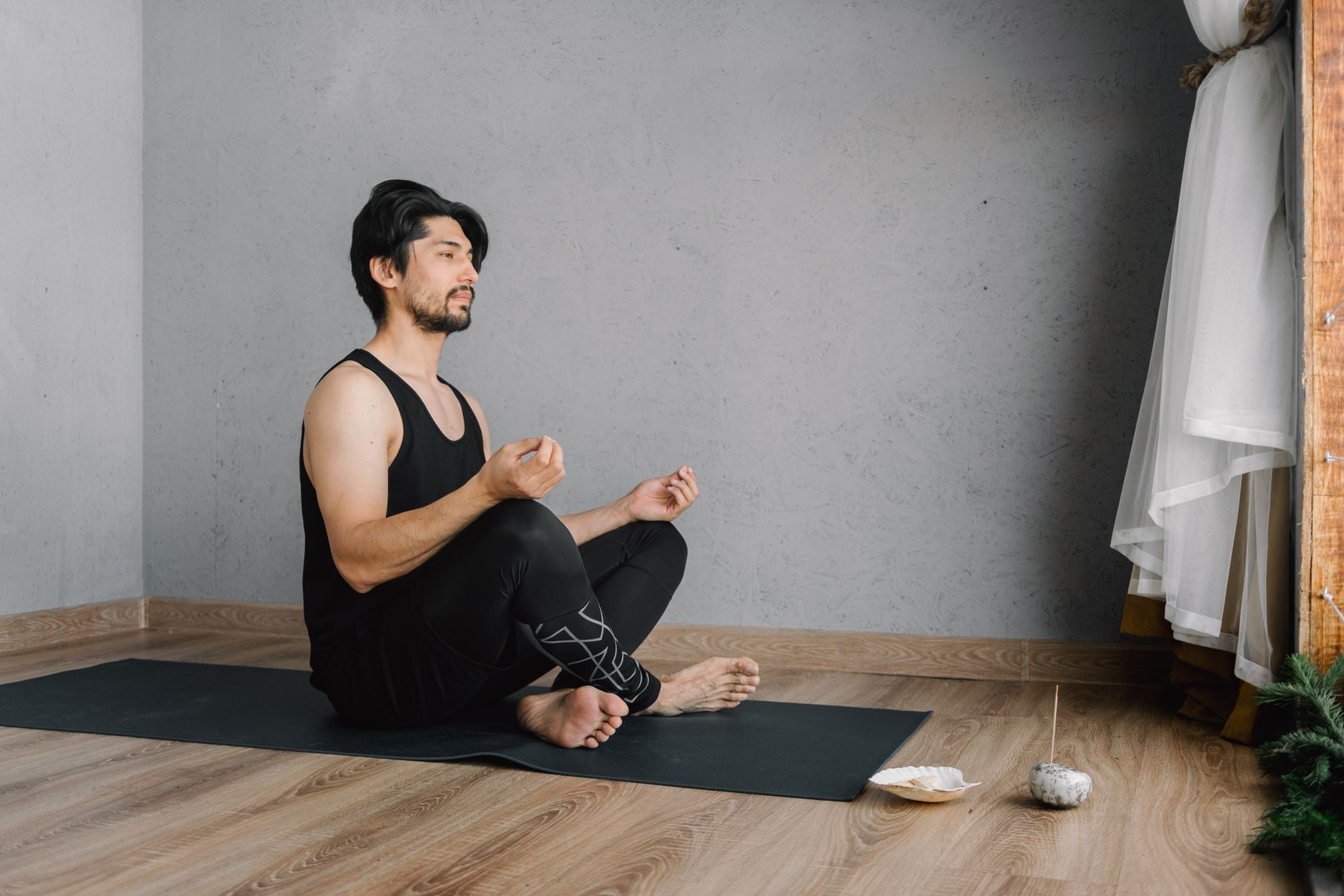
What does the old tradition actually teach? That you cannot receive a place while you are busy managing it. The pilgrim arrives empty. That emptiness is the whole point.
The Experience
There is a particular sound at dawn on the ghats of Varanasi. Bells, yes. But underneath the bells, water — the slow slap of the Ganges against stone steps, a sound so steady you stop hearing it and then hear it again. I sat on the steps one morning with nothing to do. No camera. No plan for the afternoon. I had left my phone in the room, and the first hour felt like a mild panic, the way a room feels when the furniture has been removed.
Then something loosened. A man offered me tea from a small clay cup, and I drank it, and we did not speak. A dog slept near my feet. The sun came up over the far bank and the whole river turned the colour of hammered brass. I remember thinking: I am not doing anything, and this is the most I have felt in months.
That is what travelling light in spirit feels like. Not deprivation. Relief. You stop carrying the imaginary version of the trip — the one you were supposed to have — and the actual trip appears. It smells of woodsmoke and marigolds. It is slower than you planned. It is better.
There is a practice I give my students before they leave home. Pack your bag, then sit with it for ten minutes and ask of each object: Am I bringing this, or is it bringing me? Most of us travel with a small committee of fears dressed as necessities. The extra shoes. The backup charger. The book we will not read. Each one is a small refusal to trust the road.
The same is true of the inner bag. We carry the argument we had last week. The email we should have sent. The expectation that this trip will fix something. Set the bag down. You can pick it up when you get home.

Who It’s For
This way of travelling serves the person who is tired of arriving somewhere and immediately reaching for a screen to confirm they were there. It suits the traveller who has noticed that a full itinerary can feel like a full inbox — managed, efficient, and somehow empty.
It is for you if you have ever come home from a holiday more exhausted than when you left. If you suspect the problem was never the destination. If you are willing to try a trip with fewer photographs and more sitting still. Those who benefit most are often in transition — between jobs, between relationships, between versions of themselves — because a light spirit has room to notice what is changing.
You do not need to go to India. A weekend in a town two hours away will do. The geography is not the practice. The emptying is.
Who It’s NOT For
I will be honest with you. This is not for the traveller who needs to see the thing. If your joy comes from standing in front of the painting, the cathedral, the mountain — and I mean the specific one, at the specific hour, before it closes — then a slow, unstructured journey may leave you restless and quietly resentful.
Nor is it for someone in crisis who needs the trip to be a container: booked, guided, safe. Structure is a form of care. There is no virtue in making yourself anxious in the name of mindfulness. And if you are travelling with young children, or on a tight schedule, or for work — this is not the season for it. The practice asks for slack. Wait until you have some.
A Profound Insight
Here is the counter-intuitive thing I have come to believe after years of leading retreats and walking pilgrimages: the goal is not to be present. Presence is a by-product, not a destination, and chasing it is just another itinerary.
The real work is unburdening. Every time I have felt truly light on the road, it was not because I achieved some perfect state of attention. It was because I finally put something down — a grudge, a plan, a story about who I was supposed to be on this trip. The lightness came first. The presence followed, the way sunlight follows the opening of a curtain.
So the question is not how do I become more mindful? The question is: what am I willing to set down? Ask it of your bag. Ask it of your mind. The answer is usually smaller and more obvious than you expect.
Carry this home: lightness is not something you pack. It is what remains when you stop packing.
Before you go, take a few minutes to make a small inventory — not of your luggage, but of your intentions.
- Choose one thing to leave behind, and let it be something you actually want to keep. The willingness is the practice.
- Leave one afternoon completely unplanned, and resist the urge to fill it when it arrives.
- Take fewer photographs than you think you need. Let your eyes do the keeping.
- When you notice yourself managing the trip — checking, planning, comparing — pause and ask: what could I put down right now?
- Return home with one question you did not have when you left. That is the real souvenir.
The bag by the door in Rishikesh weighed eleven pounds. I carried it for six weeks and never once wished for more. What I remember is not what I brought. It is the morning on the steps, the clay cup of tea, the dog asleep at my feet, the river turning to brass. You will have your own brass river. It is waiting for you, and it asks only that you arrive with room to receive it. Travel light in spirit, and the world will meet you — not as a checklist, but as a place. Go gently. Put something down. Then go.