Before dawn on Mount Kailash, the air is so thin and cold that every breath feels like a small negotiation with the universe. I stood at the base, watching Tibetan pilgrims complete full-body prostrations along the 52-kilometer kora, their weathered hands touching the earth with a rhythm older than any calendar. They had walked for weeks, some for months, to reach this place. I had flown in and hired a jeep. The gap between their journey and mine humbled me in ways I am still unpacking.
Sacred mountains do that. They do not care how you arrived. They only ask whether you are willing to be changed.
Across the world—from the granite spine of the Andes to the cedar-cloaked slopes of Japan—these high places have drawn seekers for millennia. Not because the views are pretty, though they often are, but because altitude strips away pretense. At 5,000 meters, you cannot pretend to be someone you are not. The mountain will find you out.
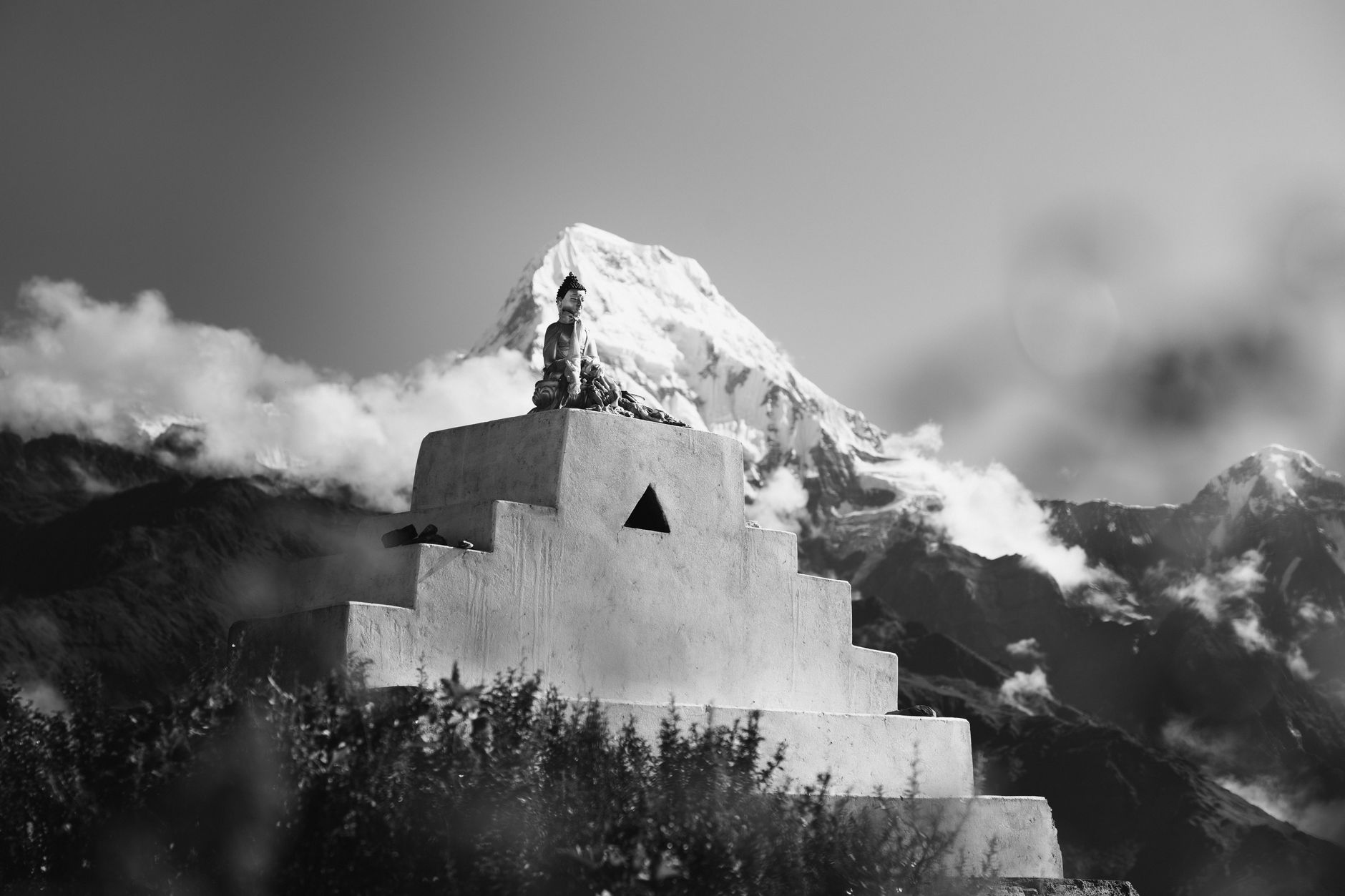
“The mountain does not call the prepared. It calls the willing.”
Historical Context
Sacred mountains appear in nearly every spiritual tradition, and their stories often predate the religions that now claim them. Mount Sinai, in Egypt’s Sinai Peninsula, was venerated long before Moses reportedly received the Ten Commandments there; Bedouin tribes considered it holy ground for centuries prior. In Japan, Mount Kōya was established as a monastic retreat in 819 CE by the monk Kūkai, who believed the mountain’s valleys held the energy of a mandala.
The Andes tell a different story. The Inca built ceremonial platforms atop peaks like Ausangate and Salkantay, treating them as apus—living spirits who governed weather, fertility, and the fate of entire villages. These were not metaphors. They were relationships. When the Spanish arrived, they built churches on top of Inca shrines, hoping to overwrite the old devotion. The mountains, patient and indifferent, outlasted them all.
Today, pilgrims of every faith—and none—continue to climb. The rituals have changed. The impulse has not.
What strikes me most is how these traditions converge on a single idea: the mountain is not a destination. It is a teacher. The physical ascent matters less than the internal one. Every culture that reveres a peak has developed practices to slow the pilgrim down—circumambulation, prostration, prayer flags, offerings of rice or water or breath. These are not superstitions. They are technologies of attention. They force the mind to arrive before the body does.
The Experience
You will notice the silence first. Not the absence of sound, but its refinement. On Mount Arunachala in South India, the air carries the scent of jasmine and woodsmoke from the ashrams below. The ground is warm underfoot, even at dawn. You hear your own footsteps with startling clarity. Then, gradually, the sounds of the mountain itself—a distant bell, the creak of prayer wheels, the low murmur of Sanskrit chanted by someone you cannot see.
Sensory detail becomes your only anchor. The cold metal of a handrail. The taste of dust mixed with butter tea. The way your lungs burn on the switchbacks and then, suddenly, do not. There is a moment on every sacred mountain when the body stops resisting. The breath deepens. The mind quiets. You are not climbing anymore. You are being carried.
On Croagh Patrick in Ireland, a mountain St. Patrick is said to have climbed in 441 CE, the experience is rougher. Loose shale slides under your boots. The wind tears at your jacket. Pilgrims climb barefoot on the last Sunday of July, and you can hear them before you see them—sharp intakes of breath, whispered Hail Marys, the occasional laugh of someone who has surrendered to the absurdity of it all. At the summit, a small chapel holds maybe twenty people. Nobody speaks. Outside, the Atlantic stretches west like a promise. You realize that the discomfort was never the point. It was the doorway.
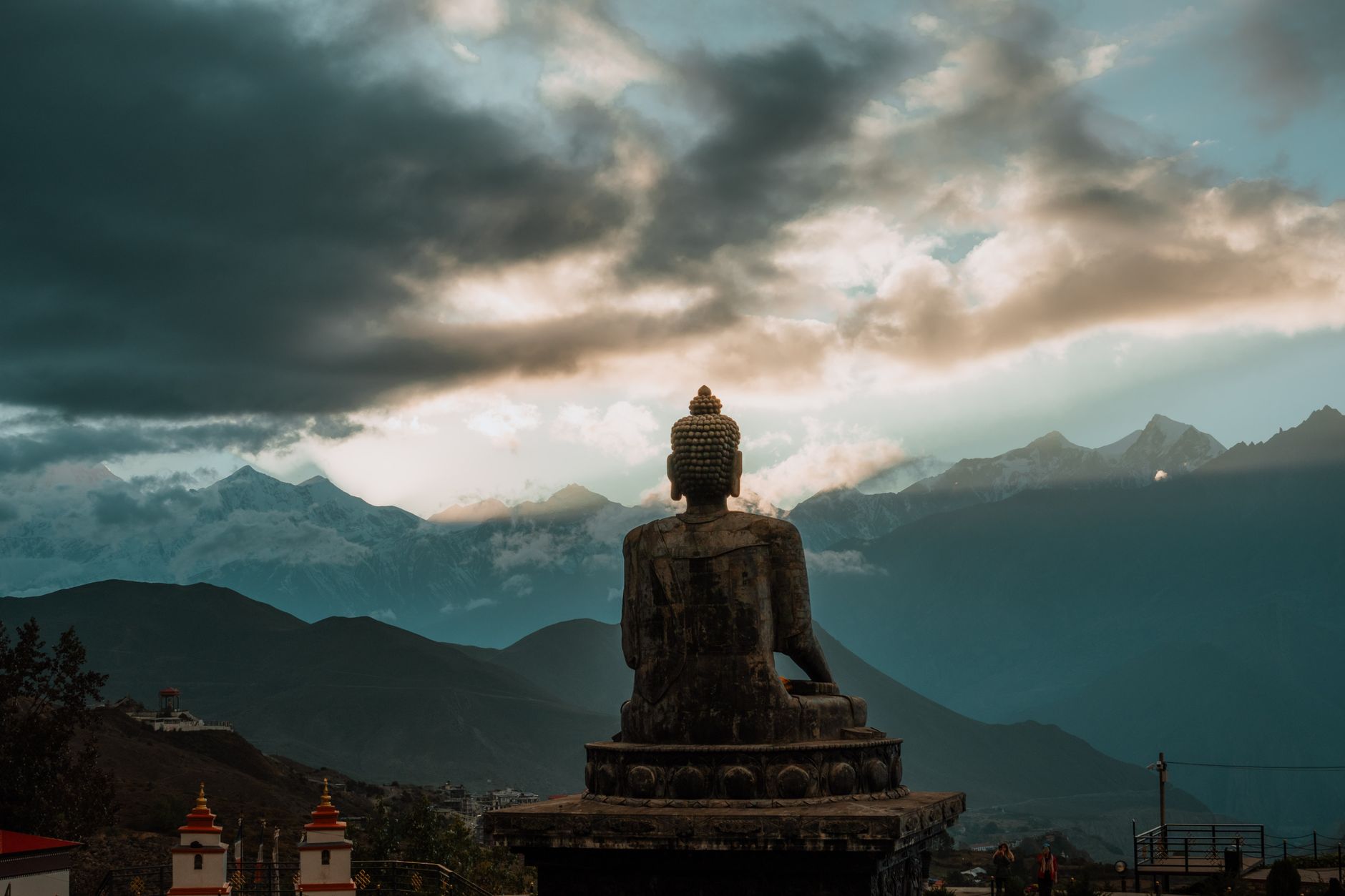
Who It’s For
This kind of travel serves the person who has grown tired of collecting experiences and wants to be collected by one instead. It suits the walker who finds meaning in repetition—the same step, the same breath, the same prayer, hour after hour. It is for the traveler who does not need a summit selfie to feel complete.
If you have ever sat in a quiet room and felt something stir in your chest that you could not name, a sacred mountain will give that feeling a geography. It is also for those in transition: after a divorce, a diagnosis, a loss. The mountain does not solve anything. But it holds you while you solve it yourself.
I think of a woman I met on the kora in Tibet, a retired nurse from Melbourne. She walked slowly, always last in our group, and when I asked why she had come, she said, “I wanted to do one thing that had no practical purpose.” That is the traveler these mountains serve. Not the peak-bagger. The meaning-maker.
Who It’s NOT For
Let me be honest with you. This is not for the traveler who needs comfort, predictability, or a hot shower at the end of every day. Sacred mountains are inconvenient. They are cold. They are crowded during pilgrimage season and eerily empty out of it. Altitude sickness does not care about your yoga practice. Neither do the weather gods.
If you require signage in English, reliable Wi-Fi, or a guide who will carry your bag, you will be miserable. And that is fine—these places are not for everyone. There is no shame in preferring a cathedral or a coastline. But do not come to a sacred mountain expecting a spa. The mountain will not adjust itself to your preferences. That, too, is the teaching.
Here is a counter-intuitive opinion: the most transformative moments on a sacred mountain often happen when you fail to reach the summit. I have turned back twice—once on Kailash due to altitude, once on Fuji due to a storm—and both times, the descent taught me more than the ascent ever could. Failure, offered to the mountain, becomes an offering.
A Profound Insight
The insight these mountains offer is not about transcendence. It is about scale. Standing at the base of something that existed before your ancestors were born and will exist after your grandchildren are gone does something to the ego that no meditation app can replicate.
You are small. That is not an insult. It is a relief. For most of our lives, we carry the weight of being the protagonist of our own story. The mountain removes that burden. You are not the main character here. You are a guest. And guests, when they remember their manners, listen more than they speak. They receive more than they demand. They leave the place better than they found it.
Carry that posture home. It will serve you on the subway, in the boardroom, in the argument you are about to have with someone you love.
Here is what I would tell anyone preparing for a sacred mountain journey:
- Go slowly. The pace of pilgrimage is not the pace of tourism. Build in rest days. Sit for an hour without moving. Let the mountain set the rhythm.
- Learn one local practice. Whether it is a prayer, a prostration, or simply removing your shoes before entering a shrine, participate respectfully. Do not spectate.
- Carry less than you think you need. Physical weight mirrors mental weight. Every item in your pack should earn its place.
- Offer something. A stone, a coin, a song, a silent intention. The act of giving completes the circuit between you and the place.
- Leave no trace but gratitude. Pack out everything you bring in, including your expectations.
Sacred mountains are not a bucket-list item. They are a relationship. And like any relationship, they require time, humility, and the willingness to be wrong about what you thought you wanted. You will not return the same person who left. That is the only guarantee. The rest—the weather, the altitude, the crowds, the silence—belongs to the mountain.
Your job is simply to show up. So I ask you: when will you stop planning and start climbing? The mountain has been waiting longer than you can imagine. It can wait a little longer. But why would you make it?